June 2026 in “Materials Today Communications” The hydrogel speeds up wound healing with electrical stimulation.
9 citations
,
July 2025 in “Pharmaceuticals” Plant-derived exosomes can help deliver drugs and enable communication between different organisms.
13 citations
,
May 2025 in “Journal of Cosmetic Dermatology” Adipose mesenchymal stem cell-derived exosomes are as effective as platelet-rich plasma for improving photoaged skin and are a good option for those who prefer not to use needles.
 93 citations
,
May 2010 in “European Journal of Cancer”
93 citations
,
May 2010 in “European Journal of Cancer” BI 2536 had limited effectiveness against several advanced cancers and caused significant side effects.
 13 citations
,
September 2019 in “Clinical, Cosmetic and Investigational Dermatology”
13 citations
,
September 2019 in “Clinical, Cosmetic and Investigational Dermatology” Early treatment of EPDS can improve outcomes and reduce recurrence risk.
Latanoprost increases VEGF protein in human cells, which may help hair growth.
43 citations
,
January 2014 in “Indian Journal of Dermatology” EGFR inhibitors can cause skin issues like acne and dryness, but these can be managed without stopping treatment.
56 citations
,
March 2003 in “Journal of Investigative Dermatology” 17β-estradiol can reduce inflammation in the skin.
 October 2020 in “Journal of bio innovation”
 DanEraTM hair tonic effectively treats dandruff and hair fall using natural ingredients.
153 citations
,
June 2015 in “GenomeBiology.com” The environment around the time of conception can change the VTRNA2-1 gene in a way that lasts for years and may affect disease risk.
9 citations
,
October 1989 in “Australian Journal of Agricultural Research” Mouse epidermal growth factor temporarily stops wool growth and causes cell changes in Merino sheep.
1 citations
,
January 2009 in “Elsevier eBooks” Using Eflornithine cream with laser treatments improves facial hair removal.
2 citations
,
January 2023 in “Dermatologic Therapy” CEFFE injections effectively and safely improve postinflammatory hyperpigmentation.
 4 citations
,
May 2021 in “The journal of investigative dermatology/Journal of investigative dermatology”
4 citations
,
May 2021 in “The journal of investigative dermatology/Journal of investigative dermatology” ELL is crucial for gene transcription related to skin cell growth.
 23 citations
,
November 2011 in “Journal of the European Academy of Dermatology and Venereology”
23 citations
,
November 2011 in “Journal of the European Academy of Dermatology and Venereology” Hair loss is a rare but recognized symptom of pemphigus vulgaris, with patients usually regrowing hair after treatment.
2 citations
,
February 2025 in “Advances in Cosmetic Surgery” Exosome therapies could help with skin and hair issues, but more testing is needed.
47 citations
,
January 2003 in “Pharmaceutical Research” 14 citations
,
June 2021 in “British Journal of Dermatology” The BIOMAP glossary standardizes data to improve research on atopic dermatitis and psoriasis.
 7 citations
,
April 2009 in “Bioorganic & Medicinal Chemistry Letters”
7 citations
,
April 2009 in “Bioorganic & Medicinal Chemistry Letters” Diphenyl ethers can potentially reduce excess oil production when applied on the skin, helping treat conditions like acne.
April 2021 in “bioRxiv (Cold Spring Harbor Laboratory)” January 2015 in “프로그램북(구 초록집)” Epiduo® is an effective first-line acne treatment that reduces inflammation and combats antibiotic resistance.
9 citations
,
January 2015 in “Indian Dermatology Online Journal” Early diagnosis and treatment of Kaposi varicelliform eruption are crucial to prevent severe complications.
 1 citations
,
November 2022 in “Experimental cell research”
1 citations
,
November 2022 in “Experimental cell research” Prostaglandin E2 collagen matrix may help stimulate hair growth.
 14 citations
,
November 2009 in “Clinical and experimental dermatology”
14 citations
,
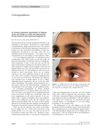
November 2009 in “Clinical and experimental dermatology” Topical prostaglandin E2 can help treat both alopecia areata and vitiligo.
1 citations
,
November 2023 in “Journal of Microbiology and Biotechnology” Immortalized human dermal papilla cells were created that grow better and can still help form hair.
5 citations
,
January 2024 in “Fermentation” The new placenta-derived liquid improves skin moisture better than traditional extracts.
15 citations
,
August 1991 in “Histochemistry and Cell Biology” Enhancing Factor is found in growing tissues like young mouse intestines and skin but not in adults.
October 2025 in “Cell Proliferation” IL10_ApoEVs improve skin healing and reduce scarring.
 17 citations
,
May 2010 in “Journal of Dermatological Science”
17 citations
,
May 2010 in “Journal of Dermatological Science” Erythropoietin helps hair grow and could be a potential treatment for hair loss.