 November 2018 in “Springer eBooks”
 The document concludes that specialized hair transplant techniques can be effective, with varying success rates depending on the donor area and patient factors.
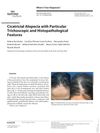 November 2018 in “Skin appendage disorders”
 The document concludes that a woman has both Frontal Fibrosing Alopecia and Lichen Simplex Chronicus, a previously unreported combination of conditions.
 March 2018 in “Dermatología Argentina”
 The study found that the average age of women diagnosed with Frontal Fibrosing Alopecia in Argentina is higher than in other countries, but their symptoms are similar.
 December 2017 in “Journal of the Portuguese Society of Dermatology and Venereology”
 A sutura tricofítica melhora a aparência de cicatrizes em transplantes de cabelo e outras áreas pilosas.
August 2017 in “Journal of the Dermatology Nurses' Association” Latisse (bimatoprost 0.03%) is widely used in dermatology but the document doesn't give detailed evidence or numbers.
January 2015 in “Annals of dermatology/Annals of Dermatology” Using travoprost for glaucoma may cause extra hair growth and darker skin around the eyes, but these effects can reverse after stopping the drug.
 February 2010 in “Journal of The American Academy of Dermatology”
 Surgery on a baby with a skin disorder improved eyelid position and eye health.
 May 2005 in “Seminars in Plastic Surgery”
 The document concludes that using small hair grafts has improved facial and scalp hair restoration.
July 2026 in “Dermatology and Therapy” Baricitinib and ritlecitinib are both effective and safe for treating severe alopecia areata.
June 2026 in “Journal of Clinical Practice and Medical Case Report.” Trichotillomania can mimic alopecia areata, requiring careful diagnosis and consideration of psychosocial factors in treatment.
June 2026 in “British Journal of Dermatology” Oral JAK inhibitors effectively regrow hair in alopecia areata with a good safety profile.
April 2026 in “Ekologiya Cheloveka (Human Ecology)” Dihydroquercetin and other substances may help eyelash and eyebrow growth, but more research is needed.
April 2026 in “Clinical and Translational Science” Tofacitinib effectively treats severe alopecia areata, improving hair regrowth and patient satisfaction.
March 2026 in “Clinical and Experimental Dermatology” Facial hair loss and psychosocial issues are crucial in deciding treatment for alopecia areata.
 February 2026 in “Reports — Medical Cases Images and Videos”
 Upadacitinib may help regrow hair in children with alopecia areata and is generally safe.
February 2026 in “The Journal of Dermatology” Ritlecitinib effectively regrows scalp, eyebrow, and eyelash hair in Asians with alopecia areata and is safe.
Dynaplast tape reduces swelling after hair transplants effectively.
December 2025 in “JEADV Clinical Practice” A woman with hair loss condition experienced rare hair color return, suggesting it might help diagnose the condition.
December 2025 in “Zenodo (CERN European Organization for Nuclear Research)” Microneedling may help regrow eyebrow hair, but more research is needed.
December 2025 in “Zenodo (CERN European Organization for Nuclear Research)” Microneedling may help eyebrow hair growth, but more research is needed.
November 2025 in “SKIN The Journal of Cutaneous Medicine” Ritlecitinib is effective long-term for treating alopecia areata in teens.
September 2025 in “Scientific periodicals of Ukraine” FUE with DHI effectively restores natural hair growth in difficult areas.
September 2025 in “Brazilian Journal of Health Review” Early diagnosis and less aggressive hair care improve outcomes for Black women with frontal fibrosing alopecia.
August 2025 in “Cosmetics” Cosmeceuticals like sunscreens may trigger frontal fibrosing alopecia, but more research is needed.
 June 2025 in “The Journal of Dermatology”
 Baricitinib is effective and safe for long-term treatment of severe alopecia areata.

Baricitinib helps regrow hair in teens with severe alopecia areata.
April 2025 in “International Journal of Dermatology” Renaming frontal fibrosing alopecia to a syndrome could improve diagnosis and treatment.
February 2025 in “Actas Dermo-Sifiliográficas” Low-dose oral minoxidil can help improve hair and eyebrow growth in people with frontal fibrosing alopecia.
Frontal fibrosing alopecia in men is often misdiagnosed and needs better diagnostic criteria and treatments.
January 2025 in “The Journal of Dermatology” Patients prefer the higher 50 mg dose of ritlecitinib for better hair regrowth despite higher risks.