Baricitinib effectively promotes regrowth of eyebrows and eyelashes in alopecia areata patients.
2 citations
,
July 2025 in “Advances in Therapy” Alopecia areata negatively impacts quality of life and work, even with moderate hair loss.
Early diagnosis and treatment of frontal fibrosing alopecia are crucial to prevent permanent hair loss.
 9 citations
,
January 2020 in “Postepy Dermatologii I Alergologii”
9 citations
,
January 2020 in “Postepy Dermatologii I Alergologii” Frontal fibrosing alopecia is a poorly understood condition with increasing cases and unclear treatment effectiveness.
86 citations
,
January 2020 in “British Journal of Dermatology” The AA-IGA scale reliably measures treatment success in alopecia areata by considering both clinician and patient views.
November 2024 in “SKIN The Journal of Cutaneous Medicine” Alopecia areata severity and symptoms vary by race and ethnicity.
 August 2025 in “American Journal of Clinical Dermatology”
 Clinicians should use evidence-based tools and consider mental health when assessing alopecia areata to guide treatment.
 October 2024 in “La Tunisie Médicale”
 Over half of alopecia areata patients in Tunisia experience depression, highlighting the need for psychological support.
 June 2023 in “British Journal of Dermatology”
 Baricitinib was effective and safe for severe hair loss treatment over 6 months.
 January 2012 in “Yearbook of Dermatology and Dermatologic Surgery”
 Alopecia areata is a hair loss condition that often starts before age 30 and can affect various body parts, with unpredictable hair regrowth chances.
September 2025 in “Journal of the American Academy of Dermatology” Eyebrow and eyelash hair loss in alopecia areata worsens quality of life.
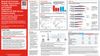 November 2025 in “SKIN The Journal of Cutaneous Medicine”
 Baricitinib helps regrow scalp, eyebrow, and eyelash hair in teens with severe alopecia areata.
1 citations
,
February 2025 in “Journal of the American Academy of Dermatology” Most men prefer keeping their eyebrows over scalp hair.
 11 citations
,
November 2018 in “Journal of the American Academy of Dermatology”
11 citations
,
November 2018 in “Journal of the American Academy of Dermatology” Tofacitinib therapy can effectively regrow eyebrows and eyelashes in some alopecia areata patients.
4 citations
,
October 2024 in “Journal of the American Academy of Dermatology” Abrocitinib may help treat alopecia areata effectively with mild side effects.
November 2024 in “SKIN The Journal of Cutaneous Medicine” Patients with anxiety or depression report more severe alopecia areata.
June 2026 in “Skin Appendage Disorders” Pili annulati may be more common than thought, so recognizing its features is important for diagnosis.
 January 2025 in “Indian Journal of Dermatology”
 Frontal fibrosing alopecia is a challenging hair loss condition with no known cause or definitive treatment.
 56 citations
,
August 2020 in “American Journal of Clinical Dermatology”
56 citations
,
August 2020 in “American Journal of Clinical Dermatology” New tools help assess eyebrow, eyelash, and nail changes in Alopecia Areata, improving understanding of patient experiences.
 6 citations
,
October 2022 in “American journal of clinical dermatology”
6 citations
,
October 2022 in “American journal of clinical dermatology” The review shows how to properly diagnose and treat the loss of eyebrow and eyelash hair.
 1 citations
,
August 2021 in “Journal of The American Academy of Dermatology”
1 citations
,
August 2021 in “Journal of The American Academy of Dermatology” Baricitinib helped improve hair, eyebrow, and eyelash growth in alopecia areata patients.
 11 citations
,
August 2012 in “Canadian journal of ophthalmology”
11 citations
,
August 2012 in “Canadian journal of ophthalmology” Eyelash alopecia areata often goes undiagnosed and can lead to complete eyelash regrowth, especially in younger patients.
 10 citations
,
February 2015 in “Clinics in Dermatology”
10 citations
,
February 2015 in “Clinics in Dermatology” The document concludes that changes in eyelashes and eyelid skin can indicate various local and systemic diseases.
 June 2024 in “JEADV Clinical Practice”
 Severe alopecia areata patients have a low chance of spontaneous hair regrowth.
 May 2023 in “Dermatology and therapy”
 The document concludes that identifying the cause of eyebrow and eyelash loss is key to treating it and improving quality of life.
 November 2024 in “Journal of the European Academy of Dermatology and Venereology”
 Long-term baricitinib treatment can lead to significant scalp hair regrowth in patients initially showing only eyebrow or eyelash regrowth.
 7 citations
,
April 2021 in “British Journal of Dermatology”
7 citations
,
April 2021 in “British Journal of Dermatology” Topical tofacitinib may effectively and safely regrow facial hair in some people with alopecia areata.
 339 citations
,
February 2014 in “Journal of The American Academy of Dermatology”
339 citations
,
February 2014 in “Journal of The American Academy of Dermatology” Most patients with frontal fibrosing alopecia are postmenopausal women, and treatments like finasteride and dutasteride can improve or stabilize the condition.
 November 2024 in “SKIN The Journal of Cutaneous Medicine”
 Ritlecitinib effectively promotes hair regrowth in severe and very severe alopecia areata.
 185 citations
,
June 2014 in “Journal of Investigative Dermatology”
185 citations
,
June 2014 in “Journal of Investigative Dermatology” A man with severe hair loss and skin disease regrew his hair with no side effects after taking tofacitinib.