 2 citations
,
March 1996 in “Journal of The American Academy of Dermatology”
2 citations
,
March 1996 in “Journal of The American Academy of Dermatology” The book is an updated guide on hair transplant techniques, useful for beginners and professionals.
1 citations
,
September 2023 in “Journal of the American Academy of Dermatology” Mini pulse corticosteroid therapy with oral dexamethasone is effective and has fewer side effects for treating extensive alopecia areata.
 1 citations
,
August 2023 in “JAMA Dermatology”
1 citations
,
August 2023 in “JAMA Dermatology” Increasing the dose of baricitinib to 4 mg helps more patients with severe alopecia areata regrow hair.
 1 citations
,
September 2021 in “CRC Press eBooks”
1 citations
,
September 2021 in “CRC Press eBooks” Frontal Fibrosing Alopecia is a hair loss condition mainly affecting postmenopausal women, with unclear causes and various clinical patterns.
1 citations
,
November 2018 FUE is a minimally invasive hair transplant method using various donor sites.
1 citations
,
August 2018 in “Journal of the American Academy of Dermatology” A young woman developed facial bumps before hair loss, which is unusual for her condition.
1 citations
,
April 2015 in “International Journal of Pediatrics and Adolescent Medicine” Cyclosporine-A can cause excessive hair growth, which usually stops after discontinuing the drug.
 1 citations
,
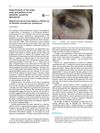
January 2015 in “Actas dermo-sifiliográficas/Actas dermo-sifiliográficas”
1 citations
,
January 2015 in “Actas dermo-sifiliográficas/Actas dermo-sifiliográficas” Latanoprost eye drops caused excessive cheek hair growth and eyelash whitening in a woman.
1 citations
,
January 2013 Bimatoprost treats glaucoma and promotes hair growth, with potential for more medical uses.
July 2026 in “Dermatology and Therapy” Baricitinib and ritlecitinib are both effective and safe for treating severe alopecia areata.
June 2026 in “Journal of Clinical Practice and Medical Case Report.” Trichotillomania can mimic alopecia areata, requiring careful diagnosis and consideration of psychosocial factors in treatment.
June 2026 in “British Journal of Dermatology” Oral JAK inhibitors effectively regrow hair in alopecia areata with a good safety profile.
April 2026 in “Ekologiya Cheloveka (Human Ecology)” Dihydroquercetin and other substances may help eyelash and eyebrow growth, but more research is needed.
April 2026 in “Clinical and Translational Science” Tofacitinib effectively treats severe alopecia areata, improving hair regrowth and patient satisfaction.
March 2026 in “Clinical and Experimental Dermatology” Facial hair loss and psychosocial issues are crucial in deciding treatment for alopecia areata.
 February 2026 in “Reports — Medical Cases Images and Videos”
 Upadacitinib may help regrow hair in children with alopecia areata and is generally safe.
February 2026 in “The Journal of Dermatology” Ritlecitinib effectively regrows scalp, eyebrow, and eyelash hair in Asians with alopecia areata and is safe.
November 2025 in “SKIN The Journal of Cutaneous Medicine” Ritlecitinib is effective long-term for treating alopecia areata in teens.
 August 2025 in “American Journal of Clinical Dermatology”
 Clinicians should use evidence-based tools and consider mental health when assessing alopecia areata to guide treatment.
 June 2025 in “The Journal of Dermatology”
 Baricitinib is effective and safe for long-term treatment of severe alopecia areata.
May 2025 in “Dermatology Online Journal” Erlotinib can cause excessive eyelash growth.
Baricitinib helps regrow hair in teens with severe alopecia areata.
February 2025 in “Actas Dermo-Sifiliográficas” Low-dose oral minoxidil can help improve hair and eyebrow growth in people with frontal fibrosing alopecia.
 January 2025 in “Dermatologic Therapy”
 Baricitinib effectively promotes hair regrowth in alopecia areata patients with mild side effects.
November 2024 in “SKIN The Journal of Cutaneous Medicine” Alopecia areata severity and symptoms vary by race and ethnicity.
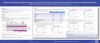 November 2024 in “SKIN The Journal of Cutaneous Medicine”
 Ritlecitinib effectively promotes hair regrowth in severe and very severe alopecia areata.
 October 2024 in “La Tunisie Médicale”
 Over half of alopecia areata patients in Tunisia experience depression, highlighting the need for psychological support.
 September 2024 in “Journal of the American Academy of Dermatology”
 Baricitinib 4 mg is effective and safe for treating severe alopecia areata.
 September 2024 in “Journal of the American Academy of Dermatology”
 Facebook groups play a crucial role in supporting and guiding patients on scalp cooling and hair loss during chemotherapy.
 August 2024 in “Journal of the American Academy of Dermatology”
 Baricitinib effectively promotes hair regrowth in both scalp and nonscalp areas for alopecia areata universalis patients.