A fungal infection caused the skin issue, and it was cured with antifungal treatment.

Follicular atopic dermatitis in dark skin can look different, making diagnosis harder.
 12 citations
,
June 2010 in “Journal of dermatology”
12 citations
,
June 2010 in “Journal of dermatology” Some patients with severe alopecia areata developed skin darkening from their treatment, which may indicate a less effective response to the therapy.
 3 citations
,
February 2022 in “Cureus”
3 citations
,
February 2022 in “Cureus” Frontal fibrosing alopecia can sometimes look like syphilitic hair loss.
February 2026 in “Contact Dermatitis” Avoiding exposure to certain grasses can prevent skin allergies, highlighting the importance of proper sanitation.
4 citations
,
October 2001 in “Mycoses” A young cat had a rare fungal infection caused by Microsporum gypseum.
 2 citations
,
October 2019 in “Current sports medicine reports”
2 citations
,
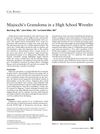
October 2019 in “Current sports medicine reports” A high school wrestler's skin rash was cured with antifungal medication after a misdiagnosis and incorrect treatment led to a fungal infection.
 November 2018 in “Skin appendage disorders”
 The document concludes that a woman has both Frontal Fibrosing Alopecia and Lichen Simplex Chronicus, a previously unreported combination of conditions.
 August 2021 in “Acta medica Philippina”
 A girl's hair loss was found to be caused by both a hair-pulling disorder and another hair loss condition.
 41 citations
,
January 2011 in “Nippon Ishinkin Gakkai Zasshi”
41 citations
,
January 2011 in “Nippon Ishinkin Gakkai Zasshi” Tinea incognito in Iran commonly affects adults and mimics other skin conditions.
6 citations
,
March 2005 in “Journal of the American Academy of Dermatology” Follicular dystrophy in immunocompromised patients may be linked to medication or viral factors and can improve with treatment changes.
1 citations
,
August 2024 in “Anais Brasileiros de Dermatologia” Recognizing skin symptoms helps diagnose and treat frontal fibrosing alopecia.
10 citations
,
June 2023 in “Medical Mycology Case Reports” An elderly man had a scalp infection misdiagnosed as dandruff, treated successfully with antifungal medication.
8 citations
,
August 2016 in “Journal of Cutaneous Pathology” Scalp biopsies are crucial for diagnosing hair loss causes in cutaneous lymphoma patients.
January 2020 in “JAAD case reports” Systemic mastocytosis may cause a type of hair loss called cicatricial alopecia.
23 citations
,
February 2003 in “British Journal of Dermatology” A rare type of skin lymphoma was identified, affecting hair follicles and sweat glands.
13 citations
,
March 2000 in “Veterinary Dermatology” Dogs have a skin condition like human pseudopelade, causing hair loss that doesn't improve with treatment.
 12 citations
,
January 2017 in “Skin appendage disorders”
12 citations
,
January 2017 in “Skin appendage disorders” Two patients with skin lupus were mistakenly thought to have a different scalp condition but improved with lupus treatment.
24 citations
,
July 2018 in “British Journal of Dermatology” Contact allergies might contribute to frontal fibrosing alopecia.
23 citations
,
June 1977 in “Clinical and experimental dermatology” Pityriasis amiantacea is likely linked to eczema-related skin changes.
 1 citations
,
February 2017 in “The American journal of dermatopathology/American journal of dermatopathology”
1 citations
,
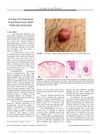
February 2017 in “The American journal of dermatopathology/American journal of dermatopathology” A man with a skin nodule was diagnosed with a rare skin condition called cutaneous focal mucinosis, which can be confused with other skin cancers.
 6 citations
,
February 2019 in “JAAD case reports”
6 citations
,
February 2019 in “JAAD case reports” Acitretin helped improve hand mobility and skin condition in a patient.
 June 2023 in “Romanian Medical Journal”
 The case shows how hard it is to tell apart Multiple Autoimmune Syndrome from other similar autoimmune conditions, but correct diagnosis is key for treatment to work.
August 2025 in “Cosmetics” Cosmeceuticals like sunscreens may trigger frontal fibrosing alopecia, but more research is needed.
39 citations
,
July 2000 in “British Journal of Dermatology” Identical twins both had a rare hair loss condition, suggesting it might be genetic.
14 citations
,
January 1995 in “Archives of Physical Medicine and Rehabilitation” A patient developed excess hair and skin issues on the same side after wearing a cast.

Early diagnosis and lifelong zinc supplementation are crucial for treating acrodermatitis enteropathica effectively.
2 citations
,
January 2016 in “Journal of clinical & experimental dermatology research” Acrodermatitis Enteropathica is a rare skin condition treated effectively with zinc supplements, and early diagnosis is key.
6 citations
,
January 1997 in “Pediatric dermatology” The case suggests a possible link between severe acne and certain bone deformities.