 October 2024 in “Journal of Cosmetic Dermatology”
 Over half of young people in Saudi Arabia experience early gray hair, linked to factors like smoking, stress, and family history.
39 citations
,
April 2003 in “Australasian journal of dermatology” PUVA treatment led to significant hair regrowth in over half of the patients with alopecia areata totalis and universalis.
3 citations
,
March 2012 in “Journal of the Egyptian Public Health Association /Journal of the Egyptian Public Health Association” General practitioners in Qassim have satisfactory knowledge of alopecia areata but need more education to address gaps and misconceptions.
35 citations
,
October 2017 in “JAMA dermatology” Children with alopecia areata should only have thyroid screening if they have Down syndrome, a history of atopy, family history of thyroid disease, or signs of thyroid problems.
161 citations
,
March 1992 in “International Journal of Dermatology” Alopecia areata often starts before age 20, is more common in women, and may have a genetic link with other autoimmune diseases.
 January 2025 in “Medicina”
 25% of women in North Sudan have traction alopecia, linked to family history and hair treatments, highlighting the need for better hair care awareness.
 January 2024 in “Dermatology practical & conceptual”
 Male gender and family history predict alopecia areata recurrence.
 December 2022 in “Rossiiskii Zhurnal Kozhnykh i Venericheskikh Boleznei”
 Androgenic alopecia in men is mainly linked to family history, hormonal imbalances, and metabolic issues, but can also be influenced by lifestyle habits, environmental factors, and deficiencies in certain vitamins and microelements like copper.
 46 citations
,
November 1995 in “The Journal of Dermatology”
46 citations
,
November 1995 in “The Journal of Dermatology” Alopecia areata was most common in people in their 30s and 40s, with some family history and a higher relapse rate, and larger bald areas responded better to specific immunotherapy.
 August 2018 in “Journal of The American Academy of Dermatology”
 Children with alopecia areata should only get thyroid screening if they have Down syndrome, a family history of thyroid disease, atopy, or signs of thyroid problems.
Androgenetic alopecia is common in younger adults, especially with a family history.
 2 citations
,
January 2020 in “Skin appendage disorders”
2 citations
,
January 2020 in “Skin appendage disorders” Early onset, severe types, nail changes, family history, and body hair loss worsen alopecia areata prognosis; sticking to treatment helps.
 August 2020 in “Nigerian journal of paediatrics”
 A 24-month-old Nigerian girl developed early puberty with no family history, needing treatment her family couldn't afford.
Patient history is key in diagnosing hair loss types.
 February 2026 in “Clinical Cosmetic and Investigational Dermatology”
 Vitiligo is influenced by genetics and environment, and combining these factors can improve early detection and prevention.
61 citations
,
June 2010 in “Journal of the European Academy of Dermatology and Venereology” Anti-TNF-α therapy may increase the risk of developing alopecia areata, especially in those with a history of autoimmune disease.
710 citations
,
May 2023 in “European Urology” Prostate cancer is common, but risk can be reduced by avoiding smoking, unhealthy diet, inactivity, certain medications, and risky jobs.
January 2026 in “Medicina” Premature graying of hair is common among students and linked to genetics, smoking, keto diet, and hair coloring.
3 citations
,
November 2024 in “Cancers” Diabetes may lower the risk of prostate cancer.
June 2025 in “British Journal of Dermatology” Ritlecitinib may cause serious side effects like blood clots in alopecia areata patients.
11 citations
,
December 2013 in “International Journal of Dermatology” IL16 gene variations may affect the risk of alopecia areata in Koreans.
9 citations
,
July 2016 in “JAAD case reports” Denosumab treatment for osteoporosis can cause hair loss.
 7 citations
,
January 2012 in “International Journal of Trichology”
7 citations
,
January 2012 in “International Journal of Trichology” Two siblings both had a rare case of alopecia areata at the same time.
April 2023 in “Media Dermato Venereologica Indonesiana” COVID-19 reinfection may trigger alopecia areata.
 391 citations
,
January 2010 in “Journal of The American Academy of Dermatology”
391 citations
,
January 2010 in “Journal of The American Academy of Dermatology” Half of people with Alopecia Areata may see hair regrowth within a year without treatment, but recovery is unpredictable.
 185 citations
,
August 2005 in “Autoimmunity Reviews”
185 citations
,
August 2005 in “Autoimmunity Reviews” Alopecia areata is an autoimmune condition causing hair loss due to the immune system attacking hair follicles, often influenced by genetics and stress.
 49 citations
,
April 2000 in “Journal of The American Academy of Dermatology”
49 citations
,
April 2000 in “Journal of The American Academy of Dermatology” Despite progress in treatment, the exact cause of Alopecia areata is still unknown.
38 citations
,
January 2012 in “Journal of Korean Medical Science” Early-onset alopecia, especially with a family history, leads to worse outcomes and more related health issues.
 32 citations
,
March 2021 in “Journal of cosmetic dermatology (Print)”
32 citations
,
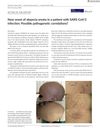
March 2021 in “Journal of cosmetic dermatology (Print)” COVID-19 infection may trigger alopecia areata in some patients.
 28 citations
,
June 2010 in “European Journal of Cancer”
28 citations
,
June 2010 in “European Journal of Cancer” Baldness at age 40 is not linked to a higher risk of aggressive prostate cancer.