 69 citations
,
June 2017 in “Experimental Biology and Medicine”
69 citations
,
June 2017 in “Experimental Biology and Medicine” Advanced human skin models improve drug development and could replace animal testing.
 January 2025 in “Open Medicine”
 High-concentration cell-free adipose extract reduces scar formation and improves scar appearance.
 48 citations
,
June 2020 in “Current Rheumatology Reports”
48 citations
,
June 2020 in “Current Rheumatology Reports” Different types of fibroblasts play various roles in both healthy and diseased tissues, and understanding them better could improve treatments for fibrotic diseases.
 March 2023 in “bioRxiv (Cold Spring Harbor Laboratory)”
 Scientists can now create skin with hair by reprogramming cells in wounds.
 11 citations
,
August 2018 in “Facial Plastic Surgery Clinics of North America”
11 citations
,
August 2018 in “Facial Plastic Surgery Clinics of North America” Adipose-derived stem cells show potential for skin rejuvenation and wound healing but require more research to overcome challenges and ensure safety.
 11 citations
,
January 2013 in “Methods in molecular biology”
11 citations
,
January 2013 in “Methods in molecular biology” The method allows for 3D tracking of hair follicle stem cells and shows they can regenerate hair for up to 180 days.
 54 citations
,
November 2015 in “Methods in enzymology on CD-ROM/Methods in enzymology”
54 citations
,
November 2015 in “Methods in enzymology on CD-ROM/Methods in enzymology” Keratins are important for skin cell health and their problems can cause diseases.
 5 citations
,
February 2018 in “Experimental Dermatology”
5 citations
,
February 2018 in “Experimental Dermatology” Scientists developed a way to isolate sweat glands from the scalp during hair transplants, keeping them alive for 6 days for research and cosmetic uses.
 4 citations
,
May 2005 in “Seminars in Plastic Surgery”
4 citations
,
May 2005 in “Seminars in Plastic Surgery” Carlos Oscar Uebel developed a hair transplant method that looks natural, has low risk, and shows full growth in 6-12 months.
 52 citations
,
February 2012 in “Plastic Surgery International”
52 citations
,
February 2012 in “Plastic Surgery International” Skin grafting is a key procedure for repairing skin defects, with the success depending on the right graft choice, donor site management, and aftercare.
 31 citations
,
November 2013 in “Dermatologic Clinics”
31 citations
,
November 2013 in “Dermatologic Clinics” The ARTAS robotic system for hair restoration is efficient with fewer cuts than manual methods, but it's limited to certain hair types and can still leave scars.
 2 citations
,
January 2013 in “Hair therapy & transplantation”
2 citations
,
January 2013 in “Hair therapy & transplantation” Hair transplants can be a treatment for scarring hair loss if there's good blood flow and no active disease.
 2 citations
,
October 1997 in “Dermatologic Clinics”
2 citations
,
October 1997 in “Dermatologic Clinics” The document concludes that advancements in hair restoration surgery have led to more natural results and patient satisfaction, with hope for future improvements in treatment.
 1 citations
,
November 2018 in “Elsevier eBooks”
1 citations
,
November 2018 in “Elsevier eBooks” The document concludes that transplantology has evolved with improved techniques and materials, making transplants more successful and expanding the types of transplants possible.
 1 citations
,
November 2002 in “Neurosurgery Clinics of North America”
1 citations
,
November 2002 in “Neurosurgery Clinics of North America” The article concludes that cranial reconstruction should aim for the best aesthetic result, using various techniques tailored to individual needs and conditions.
 February 2026 in “Journal of Regenerative Medicine and Biology Research”
 Exosomes show promise for anti-aging and regenerative treatments.

Autologous platelet concentrates help heal and regenerate dental tissues.
 January 2012 in “Elsevier eBooks”
 Hair transplantation is highly effective with careful technique and attention to patient needs.
 March 2021 in “Dermatological reviews”
 Hair transplant works well, but needs more research for better results.
 773 citations
,
August 2017 in “International Journal of Molecular Sciences”
773 citations
,
August 2017 in “International Journal of Molecular Sciences” The secretions of mesenchymal stem cells could be used for healing without using the cells themselves.
 202 citations
,
August 2007 in “Biomaterials”
202 citations
,
August 2007 in “Biomaterials” Artificial skin development has challenges, but new materials and understanding cell behavior could improve tissue repair. Also, certain growth factors and hydrogel technology show promise for advanced skin replacement therapies.
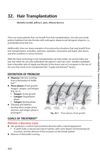 January 2018 in “Georg Thieme Verlag eBooks”
 Hair transplantation is a surgical procedure to move hair to bald areas, requires good donor hair, and results show in about a year.
2 citations
,
June 2025 in “ACS Biomaterials Science & Engineering” Encapsulating cell-free fat extract in GelMA hydrogel improves skin flap survival in mice.
294 citations
,
January 2016 in “Stem Cells International” Adipose-derived stem cells are promising for tissue and organ repair due to their easy access and versatility.
 April 2024 in “Skin research and technology”
 Adding stromal vascular fraction to platelet-rich plasma injections did not significantly improve hair growth in androgenetic alopecia treatment.
39 citations
,
May 2015 in “Advanced drug delivery reviews” MicroRNAs could improve skin tissue engineering by regulating cells and changing the skin's bioactive environment.
 2 citations
,
July 2020 in “International journal of regenerative medicine”
2 citations
,
July 2020 in “International journal of regenerative medicine” Autologous fat transfer improves hair growth in scarring alopecia and allows for denser hair transplants.
21 citations
,
August 2017 in “Journal of veterinary internal medicine” Combining amino acid and stem cell therapy may help manage hepatocutaneous syndrome in dogs.
169 citations
,
February 2018 in “Immunity” Inactive stem cells in hair follicles and muscles can avoid detection by the immune system.
January 2025 in “Case Reports in Dermatological Medicine” Adipose tissue-derived exosomes may help regrow hair in alopecia areata.