October 2004 in “Emergency Medicine News” Carbuncles and other skin infections need specific treatments, and preventing nasal colonization can stop recurring infections.
 5 citations
,
March 2019 in “Journal of lipid research”
5 citations
,
March 2019 in “Journal of lipid research” New probes were created to effectively measure specific enzymes involved in fat metabolism, which could help develop new drugs.
 1 citations
,
January 2024 in “Nature communications”
1 citations
,
January 2024 in “Nature communications” Activating TLR5 in the gut can extend lifespan and improve health in aged mice.
 1 citations
,
April 2023 in “Biomolecules”
1 citations
,
April 2023 in “Biomolecules” Fermented papaya and mangosteen in hair care products helped prevent hair loss and improve hair thickness.
 1 citations
,
July 2022 in “Functional foods in health and disease/Journal of functional foods in health & disease”
1 citations
,
July 2022 in “Functional foods in health and disease/Journal of functional foods in health & disease” Taking a probiotic supplement twice a day improved hair growth, skin hydration, and metabolic health in adults at risk of metabolic syndrome.
3 citations
,
August 2024 in “Molecular Biology Reports” LncRNA018392 helps goat skin cells grow by increasing CSF1R.
January 2026 in “Journal of Advanced Research” Bacillus sp. TC5 products help hair regrowth and improve skin drug absorption.
 July 2023 in “Institutional Repositories DataBase (IRDB)”
 Malassezia species may contribute to hair loss in AGA patients.
Spiny mice have resilient, large mitochondria that help them regenerate tissue.
 December 2025 in “Antioxidants”
 Fermented Yeast Complex Extract helps regrow hair by reducing oxidative stress and inflammation.
November 2025 in “Dermato” The skin microbiome is crucial for skin health and new treatments like probiotics can improve skin conditions.
22 citations
,
May 2007 in “Molecular Biotechnology” 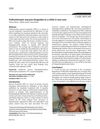 1 citations
,
October 2023 in “Journal of the Pakistan Medical Association”
1 citations
,
October 2023 in “Journal of the Pakistan Medical Association” Folliculotropic mycosis fungoides can occur in children and is diagnosed with specific tests, but often stays in early stages with treatment.
December 2025 in “Animals” TGFBR1 slows down cell growth in fine-wool sheep hair follicles.
45 citations
,
August 2018 in “Haematologica” Macrophage iron release is crucial for hair growth and wound healing.
27 citations
,
September 2013 in “The FASEB Journal” Losing Memo protein shortens lifespan and affects health.
 January 2026 in “Physical Education Health and Social Sciences”
 Combining probiotics, clotrimazole gel, and laser therapy improves treatment for recurrent yeast infections.
January 2025 in “Biochemical Pharmacology” Peficitinib can turn human fibroblasts into cells that help grow hair.
September 2021 in “Crop research/Crop Research” Aluminum foil packaging kept the biotin nutrition bar with the least bacteria after 30 days.
4 citations
,
March 2022 in “BioEssays” Hydra can help understand human hair follicle microbiomes and develop new skin disease therapies.
21 citations
,
November 2014 in “Cytotechnology” 226 citations
,
February 1999 in “British Journal of Dermatology” Folliculitis decalvans and tufted folliculitis are related, and a new treatment with rifampicin and clindamycin is effective.
 43 citations
,
October 1955 in “The journal of nutrition/The Journal of nutrition”
43 citations
,
October 1955 in “The journal of nutrition/The Journal of nutrition” Germ-free rats need biotin for growth and have different vitamin metabolism compared to regular rats.
 November 2022 in “Journal of Investigative Dermatology”
 Dandruff is linked to changes in the immune system of hair follicles and skin.
 1 citations
,
July 2022 in “PLOS ONE”
1 citations
,
July 2022 in “PLOS ONE” The study concluded that people with Lichen Planopilaris have a more diverse scalp bacteria and different metabolic pathways compared to healthy individuals.
1 citations
,
July 2023 in “Clinical Cosmetic and Investigational Dermatology” Familial dyskeratotic comedones are a rare, benign skin disorder that is hard to treat.
 April 2026 in “Experimental & Molecular Medicine”
 Mouse and human skin development share similar fibroblast timelines.
4 citations
,
April 2022 in “Microorganisms” Povidone iodine reduced skin bacteria more than chlorhexidine gluconate, but neither met FDA reduction standards.
4 citations
,
January 1981 in “PubMed” Hair medullary cells in mammals vary in complexity, with humans having more structured cells similar to inner root sheath cells.
May 2026 in “International Journal of Molecular Medicine” The error was corrected without affecting the study's results.