 January 2019 in “Advances in Environmental Biology”
 Propionibacterium acnes contributes to acne and antibiotic resistance, needing new treatments.
Obesity is linked to many gastrointestinal diseases and needs more research for treatment development.
 January 2008 in “Journal für Kardiologie (Krause & Pachernegg GmbH)”
 Healthy aging can be promoted through physical activity, lifestyle changes, and certain treatments.
 January 2026 in “Frontiers in Microbiology”
 Enterococcus faecium broth may slow aging and improve health by boosting immunity and gut bacteria.
4 citations
,
January 1886 1 citations
,
January 1886  July 2019 in “bioRxiv (Cold Spring Harbor Laboratory)”
 Kashmiri women with PCOS have more Bifidobacterium in their gut.
January 2025 in “Bali Medical Journal” Certain bacteria are linked to female hair loss.
November 2025 in “Probiotics and Antimicrobial Proteins”  9 citations
,
February 2022 in “Genes”
9 citations
,
February 2022 in “Genes” Women with PCOS have more Bifidobacterium in their gut compared to those without PCOS.
17 citations
,
June 2022 in “Frontiers in Nutrition” Fermented mushroom extract reduces intestinal inflammation in mice.
 June 2026 in “Studia Biologica”
 Felted wool in these sheep has more sweat and bacteria, altering its fatty acids and making it more prone to felting.
8 citations
,
March 2023 in “BMC Research Notes” Laser-capture microdissection effectively analyzes hair follicle microbiomes, revealing region-specific bacterial differences.
19 citations
,
August 2024 in “Cell Host & Microbe” 8 citations
,
February 2025 in “Cell Systems” Engineered bacteria can deliver antioxidants to protect skin.
June 2026 in “Clinical and Experimental Dermatology” Certain bacteria levels change in hair follicle diseases, but their role is unclear.
 70 citations
,
February 2019 in “The journal of immunology/The Journal of immunology”
70 citations
,
February 2019 in “The journal of immunology/The Journal of immunology” Short-chain fatty acids from *Cutibacterium acnes* cause skin inflammation, contributing to acne.
 August 2024 in “Revista Científica Multidisciplinar Núcleo do Conhecimento”
 Malassezia restricta may be linked to intestinal diseases like Crohn's and ulcerative colitis.
 3 citations
,
January 2022 in “Medical Mycology Journal”
3 citations
,
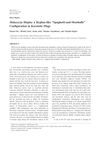
January 2022 in “Medical Mycology Journal” Malassezia fungi in healthy noses can form a "spaghetti-and-meatballs" structure.
 19 citations
,
January 2011 in “Annals of Dermatology”
19 citations
,
January 2011 in “Annals of Dermatology” M. restricta may cause Malassezia folliculitis, especially in teens and twenties.
7 citations
,
February 2005 in “Veterinary Dermatology” Horses with skin disease have more surface bacteria than healthy horses.
 November 2022 in “Journal of Investigative Dermatology”
 Butyrate helps hair grow longer, improves hair cell health, increases pigment production, and boosts hair's natural defenses.
7 citations
,
March 2022 in “International Journal of Molecular Sciences” FGF21 can help reduce skin inflammation caused by C. acnes.
19 citations
,
December 2023 in “Journal of Investigative Dermatology” Scalp hair follicle microbes affect hair health and could be used for treatments.
2 citations
,
October 2023 in “Animals” Lacto-fermentation changes amino acid profiles in bovine colostrum, but results are inconsistent.
 June 2024 in “Journal of medical pharmaceutical and allied sciences”
 Orange pectin boosts probiotic growth, especially L. acidophilus.
 September 2025 in “Institutional Repositories DataBase (IRDB)”
 Lactic acid bacteria fermentation can turn waste into valuable skincare ingredients.
December 2024 in “Food Bioscience” Limosilactobacillus fermentum MF10 helps hair grow by activating certain cell signals in mice.
5 citations
,
August 2013 in “Integrative Zoology” Feathers in diet increase gut bacteria diversity in Arctic foxes.