January 2019 in “INTAS POLIVET” The dog fully recovered and regrew hair after treatment.
 December 2019 in “Pubvet”
 The document concludes that atopic dermatitis in dogs is managed with various treatments including antipruritics, supplements, and possibly immunotherapy.
5 citations
,
April 2019 in “Veterinary Dermatology” Cats infested with Lynxacarus radovskyi can lose hair without inflammation, treatable with selamectin.
 April 2018 in “Asian-Australasian journal of bioscience and biotechnology”
 The study concluded that tick infestation was the most common skin problem in hospitalized dogs in Chennai, with various treatments used for different conditions.
 15 citations
,
September 1984 in “Veterinary Clinics of North America: Small Animal Practice”
15 citations
,
September 1984 in “Veterinary Clinics of North America: Small Animal Practice” The document explains various skin conditions in cats and how to diagnose and treat them.
 October 2020 in “Veterinary Dermatology”
 New treatments and diagnostic methods for various animal skin conditions showed promising results.
 January 2021 in “Middle East journal of applied sciences”
 Over 30% of livestock in New Valley Governorate, Egypt, had skin diseases, affecting their productivity and income.
The dog fully recovered and regrew hair after a combination of topical and oral treatments.
 53 citations
,
September 2007 in “Veterinary dermatology”
53 citations
,
September 2007 in “Veterinary dermatology” Allergic cats with yeast overgrowth improved with antifungal treatment.
4 citations
,
April 2024 in “Animals” Copaiba oil and multivitamin emulsion can effectively treat allergic dermatitis in donkeys caused by Culicoides bites.
 1 citations
,
January 2020 in “Revista Brasileira de Ciência Veterinária”
1 citations
,
January 2020 in “Revista Brasileira de Ciência Veterinária” A cat in Brazil had severe skin issues worsened by improper treatment.
 9 citations
,
July 1995 in “Veterinary Clinics of North America: Small Animal Practice”
9 citations
,
July 1995 in “Veterinary Clinics of North America: Small Animal Practice” The document concludes that hair loss in cats is caused by various factors, including allergies, mites, infections, and hormonal issues, with treatments varying accordingly.
 August 2001 in “Veterinary Dermatology”
 The meeting presented findings on effective treatments for various pet skin conditions and insights into the immune responses of dogs with atopic dermatitis.
36 citations
,
January 2015 in “Clinical and Translational Allergy” Humans and pets share similar allergy mechanisms, and studying pet allergies can help treat both human and animal allergies.
 60 citations
,
March 2014 in “Veterinary dermatology”
60 citations
,
March 2014 in “Veterinary dermatology” Cats with atopic dermatitis often have severe, year-round itching and respond well to certain treatments.
 May 2026 in “Ukrainian journal of veterinary sciences”
 Effective diagnosis and treatment of parasitic dermatitis in dogs require systematic approaches using specific drugs and preventive measures.
 December 2022 in “Indian Journal of Animal Research”
 Both fluoxetine and clomipramine effectively treat dog lick dermatitis, but fluoxetine works faster with lower recurrence, while clomipramine has fewer side effects.
 May 2026 in “International Journal of Advanced Biochemistry Research”
 A multimodal treatment approach significantly improved the Labrador's skin condition and itching.
 December 2022 in “Exploratory animal and medical research”
 The study concluded that Acral lick dermatitis is most common in young male Labrador retrievers, often caused by psychological factors, and leads to skin inflammation and stress-related blood changes.
 March 2026 in “Buletin Veteriner Udayana”
 The cat's hair loss and skin issues improved with less stress and more owner attention.
 December 2019 in “Mehmet Akif Ersoy Üniversitesi Sağlık Bilimleri Enstitüsü dergisi”
 One cat with low thyroid hormone had growth issues, and another with high thyroid hormone had skin problems; both got better with treatment.
 March 2026 in “Journal of Sustainable Veterinary and Allied Sciences”
 The dog fully recovered after treatment for skin and tick-borne infections.
 5 citations
,
January 2021 in “Veterinary dermatology”
5 citations
,
January 2021 in “Veterinary dermatology” Low-level laser therapy did not reduce licking or improve lesions in dogs with ALD but did increase hair growth.
 1 citations
,
June 2022 in “Zagazig Veterinary Journal/Zagazig Veterinary Journal (Online)”
1 citations
,
June 2022 in “Zagazig Veterinary Journal/Zagazig Veterinary Journal (Online)” Alopecia in dogs is often caused by mange, flea and tick infestations, and nutritional deficiencies, especially in males and young dogs.
 January 2006 in “Elsevier eBooks”
 Cats with Feline Symmetrical Alopecia can regrow hair with proper treatment based on the specific cause, including diet, medication, or stress management.
 1 citations
,
January 2006 in “Elsevier eBooks”
1 citations
,
January 2006 in “Elsevier eBooks” Cats lose fur due to various reasons, including allergies, infections, genetics, hormones, diet, cancer, stress, and some conditions are treatable while others are not.
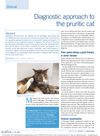 September 2013 in “The veterinary nurse”
 Finding the cause of a cat's itchiness requires a careful process and good communication with the owner.

Accurate diagnosis and tailored treatments are crucial for managing hair loss in humans and animals.
 September 2016 in “Elsevier eBooks”
 Different types of hair loss in dogs and cats have various causes and treatments, with outcomes ranging from good to uncertain.
 March 2007 in “The FASEB Journal”
 Henna mixed with PPD can cause skin reactions, scarring, and a specific type of baldness, and needs more research to understand these effects.