Search
for
Sort by
Research
360-390 / 1000+ resultsresearch Neomycin sulfate and triamcinolone acetonide suspended ointment designed for transdermal delivery: formulation and in vitro evaluation
The ointment effectively treats neurodermatitis and chronic eczema without causing skin irritation.
research Comparative Evaluation of Topical Betamethasone Dipropionate Lotion 0.05% versus its Combination with Intralesional Triamcinolone Acetonide Injection in Alopecia Areata: A Randomised Controlled Trial
Combining injections with lotion is more effective for hair regrowth in alopecia areata than using the lotion alone.
research Fluticasone Propionate-loaded Black Cumin Oil NLCs with Dual Deposition/Permeation Capabilities for Enhanced Psoriasis Management
Black cumin oil-based carriers improve psoriasis treatment better than standard creams.
research New possibilities extemporaneous preparation in dermatology - innovative foam base Espumil
Espumil foam base allows easy preparation of skin medications for hairy areas.
research Áreas de alopecia en región frontal
Early diagnosis and treatment can help manage fibrosing alopecia in older women.

research Successful deslorelin implant treatment in a neutered female Pomeranian dog with Alopecia X
Deslorelin implant successfully regrew hair in a female Pomeranian with alopecia X.
research Impact of a health alert and its implementation on flutamide prescriptions for women: an interrupted time series analysis
Health warnings and public health actions led to a significant drop in flutamide prescriptions for women, but off-label use still continues.
research Fludalanine: Nice Try But No Hallelujah
Fludalanine failed as an effective oral antibiotic despite efforts.
research Frontal fibrosing alopecia in postmenopausal women
Some postmenopausal women with frontal fibrosing alopecia stopped losing hair with finasteride treatment, hinting at a possible hormonal cause.
research Relapsing nail fibrokeratoma: A case report on a teenager
Dutasteride is more effective than finasteride for hair growth with similar side effects.
research Erosive Pustular Dermatosis of the Scalp Due to Afatinib: A Rare Case
Stopping afatinib improved a rare scalp condition in a patient.
research Anais do II Congresso Nacional Acadêmico de Dermatologia
Ruxolitinib cream shows promise for vitiligo, and early melanoma diagnosis is crucial.
research The Frontal Fibrosing Alopecia Treatment Dilemma
Effective treatment guidelines for frontal fibrosing alopecia are still unclear.
research Fallberichte
Frontal fibrosing alopecia in postmenopausal women can be managed with early treatment using corticosteroids to stop hair loss.
research The use of biodegradable microneedle patches to increase penetration of topical steroid for prurigo nodularis.
Biodegradable microneedle patches help topical steroids work better for prurigo nodularis.
research Topical fulvestrant solution has no effect on male and postmenopausal female androgenetic alopecia: results from two randomized, proof-of-concept studies
Fulvestrant solution doesn't help hair loss in men and postmenopausal women.
research The Development and Evaluation of An Ovulation Inhibitor (Diane®) Containing An Antiandrogen
Diane® is an effective contraceptive that also helps treat acne and mild hair growth issues.
research COMBINATION OF AN ANTIANDROGEN AND A 5α-REDUCTASE INHIBITOR: A FURTHER STEP TOWARDS TOTAL ANDROGEN BLOCKADE?
Using two drugs together, Flutamide and 4-MA, is more effective for blocking male hormones than using each one alone.
research Incidence of liver toxicity associated with the use of flutamide in prostate cancer patients
Flutamide rarely causes liver toxicity in prostate cancer patients.
research Efficacy of Isotretinoin and Acitretin in Treatment of Frontal Fibrosing Alopecia: Retrospective Analysis of 54 Cases.
Isotretinoin and acitretin may effectively stabilize the hairline in patients with frontal fibrosing alopecia.
research Journal of Pigmentary Disorders
Clascoterone and minocycline are effective acne treatments with quick results and fewer side effects.
research Frontal Fibrosing Alopecia: Successfully Treated with Methotrexate or Just the Natural Disease Progression?
Methotrexate may help stabilize frontal fibrosing alopecia.
research TREATMENT FOR ULERYTHEMA OPHRYOGENES WITH HYDROCORTISONE OINTMENT
Hydrocortisone ointment effectively improved eyebrow skin and hair in a 10-year-old.
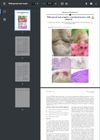
research Widespread and eruptive comedonal lesions with alopecia
A man with skin and hair symptoms improved partially with specific treatment.

research Successful Hair Regrowth in Early Frontal Fibrosing Alopecia With Combination Therapy
Early combination therapy can effectively regrow hair in frontal fibrosing alopecia.
research Efficacy and safety of deuruxolitinib, an oral selective Janus kinase inhibitor, in adults with alopecia areata: Results from the Phase 3 randomized, controlled trial (THRIVE-AA1)
Deuruxolitinib effectively promotes hair regrowth in adults with alopecia areata.
research Abstract 22: Tafluprost, a Prostaglandin F2α Analog, Has Therapeutic Potential for Androgenic Alopecia through Modulation of Hair Cycle
Tafluprost could be a potential treatment for hair loss by promoting hair growth phase changes.
research Mucin‐poor follicular mycosis fungoides
The patient's symptoms improved with treatment but recurred when the steroid dose was reduced, requiring ongoing therapy.
research Efficacy and safety of anthralin in combination with diphenylcyclopropenone in the treatment of alopecia areata: a retrospective case series
Combining DPCP and anthralin helps regrow hair in some alopecia areata patients.