 23 citations
,
February 2020 in “PLOS genetics”
23 citations
,
February 2020 in “PLOS genetics” Mice with LSS deficiency showed hair loss and cataracts, similar to humans, and can help in understanding and treating this condition.
 October 2022 in “Indian journal of anatomy and surgery of head, neck and brain”
 The nasolabial flap is effective for repairing the mouth in patients with oral submucous fibrosis.
 37 citations
,
January 2009 in “Sexual Development”
37 citations
,
January 2009 in “Sexual Development” Fadrozole and Finasteride change frog sex ratios and cause intersex animals with altered gene expressions.
 119 citations
,
November 2014 in “Trends in Cell Biology”
119 citations
,
November 2014 in “Trends in Cell Biology” Fibroblast growth factor receptor signaling controls cell development and repair, and its malfunction can cause disorders and cancer, but it also offers potential for targeted therapies.
November 2024 in “Dermatology and Therapy” Dermatologists should carefully choose treatments for FFA to avoid worsening the condition.
 March 2026 in “Dermatology Reports”
 FFA has higher long-term remission rates than LPP.
 14 citations
,
January 2020 in “Frontiers in Endocrinology”
14 citations
,
January 2020 in “Frontiers in Endocrinology” OCT4 helps granulosa cell growth in early-stage follicles, and FSH increases OCT4 through specific pathways.
 166 citations
,
April 2012 in “Journal of The American Academy of Dermatology”
166 citations
,
April 2012 in “Journal of The American Academy of Dermatology” Mostly postmenopausal Caucasian women get Frontal Fibrosing Alopecia, which often includes eyebrow loss and has limited treatment success.
1 citations
,
April 2025 in “BMC Veterinary Research” PSAT1 is key for hair growth and stem cell function in cashmere goats.
 102 citations
,
April 2014 in “International Journal of Dermatology”
102 citations
,
April 2014 in “International Journal of Dermatology” The treatment helped reduce symptoms and stabilize the hairline in most patients with Frontal Fibrosing Alopecia, but hair regrowth was limited.
3 citations
,
January 2025 in “Journal of the American Academy of Dermatology” Early diagnosis and a multidisciplinary approach are crucial for managing Frontal Fibrosing Alopecia.
May 2023 in “The Journal of Sexual Medicine” Flibanserin may help improve sexual symptoms in various conditions beyond its approved use.
 2 citations
,
September 2023 in “Frontiers in molecular biosciences”
2 citations
,
September 2023 in “Frontiers in molecular biosciences” Inducing ferroptosis in hepatic stellate cells is crucial for treating liver fibrosis.
2 citations
,
July 2012 in “BMJ” FFA can be mistaken for rosacea, requiring specific treatment for accurate diagnosis and management.
 8 citations
,
September 2024 in “BMC Genomics”
8 citations
,
September 2024 in “BMC Genomics” circCFAP20DC helps goat ovarian cells grow, aiding follicle development.
 8 citations
,
April 2022 in “The journal of investigative dermatology/Journal of investigative dermatology”
8 citations
,
April 2022 in “The journal of investigative dermatology/Journal of investigative dermatology” Certain genetic changes in the LSS gene cause a rare skin and hair condition.
2 citations
,
January 2023 in “Skin Appendage Disorders” Frontal fibrosing alopecia may run in families.
June 2025 in “Journal of Ultrasound in Medicine” High-frequency ultrasound effectively evaluates and diagnoses frontal fibrosing alopecia.
 August 2021 in “Acta Haematologica Polonica”
 Folliculotropic mycosis fungoides has a worse prognosis than other types, with survival rates varying significantly based on subtype and organ involvement.
June 2023 in “Dermatopathology” A woman had a unique skin growth with hair follicle, oil glands, fat cells, spindle cells, and nerve fibers.
April 2025 in “International Journal of Dermatology” Renaming frontal fibrosing alopecia to a syndrome could improve diagnosis and treatment.
Metabolic processes and key genes like FGF5, FGFR1, and RRAS significantly affect hair follicle growth in Inner Mongolian Cashmere goats.
39 citations
,
May 2006 in “Molecular Plant-Microbe Interactions” Fusaric acid may help control Orobanche ramosa by activating plant defenses.
 40 citations
,
June 2011 in “Journal of biological chemistry/The Journal of biological chemistry”
40 citations
,
June 2011 in “Journal of biological chemistry/The Journal of biological chemistry” FA2H is essential for normal fur and sebum production in mice.
3 citations
,
March 2017 in “Pediatric Dermatology” FOXN1 duplication can cause excessive hair growth.
April 2025 in “Australasian Journal of Dermatology” Daughters with affected mothers may develop frontal fibrosing alopecia early.
December 2015 in “Endocrinology and Metabolic Syndrome” April 2021 in “Aktuelle Dermatologie” Frontal Fibrosing Alopecia is a type of hair loss that mainly affects postmenopausal women, has unclear causes, and lacks evidence-based treatments.
January 2016 in “Indian dermatology online journal” The patient has frontal fibrosing alopecia (FFA).
 31 citations
,
April 2010 in “British journal of dermatology/British journal of dermatology, Supplement”
31 citations
,
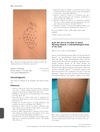
April 2010 in “British journal of dermatology/British journal of dermatology, Supplement” Frontal fibrosing alopecia can cause sudden hair loss on limbs, similar to scalp hair loss.