 5 citations
,
May 2025 in “Scientific Reports”
5 citations
,
May 2025 in “Scientific Reports” Phyllanthus emblica leaves show potential for developing new antimalarial drugs with low toxicity.
 5 citations
,
March 2019 in “Scientific Reports”
5 citations
,
March 2019 in “Scientific Reports” The technique can isolate cells to help treat skin pigmentation issues.
5 citations
,
January 2019 in “Research journal of pharmacy and technology” The 10% Angiopteris evecta hair tonic is stable, promotes hair growth, and is safe.
 4 citations
,
August 2022 in “The Scientific World Journal”
4 citations
,
August 2022 in “The Scientific World Journal” Merremia peltata leaf extract, particularly the bufotalinin compound, shows potential for treating hair loss.
4 citations
,
June 2020 in “Processes” Geranium sibiricum may help manage diabetic complications by inhibiting a key enzyme.
 3 citations
,
March 2022 in “Polymers”
3 citations
,
March 2022 in “Polymers” Substances from Ascidian tunics might help treat hair loss as effectively as Minoxidil.
 3 citations
,
August 2020 in “PubMed”
3 citations
,
August 2020 in “PubMed” Platelet-rich plasma (PRP) is effective in treating various skin conditions and improving hair density, thickness, and patient satisfaction, with lower relapse rates for Alopecia Areata.
 2 citations
,
April 2023 in “Pharmacognosy Journal”
2 citations
,
April 2023 in “Pharmacognosy Journal” Herbal silver nanoparticles from Blumea lacera showed strong antibacterial and anti-inflammatory effects.
2 citations
,
August 1987 in “Analytical Biochemistry” A new method isolated previously undetected hair proteins rich in glycine and tyrosine.
1 citations
,
August 2025 in “Biology Direct” Adipose tissue therapies have advanced from tissue to cell and cell-free treatments, showing promise but also limitations.
 1 citations
,
February 2021 in “Journal of Natural Remedies”
1 citations
,
February 2021 in “Journal of Natural Remedies” Ficus religiosa and Morus alba extracts improved hair growth and follicle regeneration in mice.
 1 citations
,
January 2017 in “Spectrum Research Repository (Concordia University)”
1 citations
,
January 2017 in “Spectrum Research Repository (Concordia University)” Women with PCOS have altered brain structure and reduced cognitive performance.
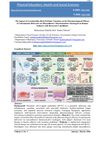 January 2026 in “Physical Education Health and Social Sciences”
 Combining probiotics, clotrimazole gel, and laser therapy improves treatment for recurrent yeast infections.
June 2025 in “Clinical and Experimental Dermatology” A 76-year-old man's grey hair turned back to its original color after radiotherapy.
August 2024 in “HAYATI Journal of Biosciences” Eclipta prostrata extracts show promise for treating skin conditions but may be toxic.
April 2024 in “Natural Product Communications” Juniperus pruning woods can be used to make effective biopesticides.
 November 2023 in “Journal of cosmetic dermatology”
 Fat transplants using a patient's own fat can rejuvenate and repair tissues effectively.
 August 2023 in “International journal of experimental research and review”
 Ficus racemosa leaf extracts help heal diabetic wounds and lower blood sugar.
Lablab purpureus peptides may effectively kill cancer cells with fewer side effects.

Fetal environments contain various chemicals that may disrupt hormones.
August 2019 in “KMOU Repository (Korea Maritime and Ocean University)” Sapium rotundifolium extract may help treat enlarged prostate.
Ceiba leaf extracts significantly speed up hair growth.
 June 2018 in “Exchanges: The Warwick Research Journal”
 Advertising mixes truth and imagination to persuade consumers that products are essential.
Ablative CO2 laser resurfacing tightens skin by destroying and regenerating skin layers.
July 2014 in “Americanae (AECID Library)” Tridax procumbens and Ouratea spectabilis can affect other plants' growth and have antioxidant benefits.
January 2002 in “HAL (Le Centre pour la Communication Scientifique Directe)” The enzyme system in hair follicles is similar to the liver's and is inhibited by certain substances.
49 citations
,
April 2010 in “International Journal of Cosmetic Science” Hair ages as the cuticle wears down, especially beyond 1 meter from the root, affecting its strength and shine.
28 citations
,
May 2014 in “PubMed” Higher stress levels may be linked to hair loss in rhesus macaques.
13 citations
,
August 2007 in “Journal of Investigative Dermatology” Mouse hair can regrow in a special lab setup without serum.
 11 citations
,
January 2004 in “Exogenous dermatology”
11 citations
,
January 2004 in “Exogenous dermatology” Outside factors like grooming, chemicals, and the environment can damage hair and cause disorders.