June 2025 in “British Journal of Dermatology” Frontal fibrosing alopecia can occur in men and may be linked to immune triggers like vaccines.
 May 2022 in “Journal of the Egyptian Women's Dermatologic Society (Print)”
 Women's hair loss can be due to hormonal changes and various conditions, with treatments focusing on stopping progression and managing symptoms.
 September 2019 in “Journal of Investigative Dermatology”
 Sandalore® reduces hair shedding and increases hair volume in women with telogen effluvium.
2 citations
,
December 2024 in “BMC Genomics” Key genes and pathways control sheep hair growth phases.
December 2025 in “Actas Dermo-Sifiliográficas” Use a combination of oral dutasteride, topical treatments, and hydroxychloroquine to manage frontal fibrosing alopecia.
27 citations
,
January 2015 in “International Journal of Trichology” The supplement helps improve hair growth and reduce hair shedding.
 August 2021 in “Case Reports”
 A woman thought to have rosacea was actually suffering from Frontal Fibrosing Alopecia, a hair loss condition. Despite treatment, her condition didn't change, showing the importance of accurate early diagnosis.
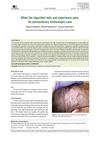 January 2026 in “Forum Dermatologicum”
 Thorough hair examination is crucial for accurate diagnosis and treatment.
 March 2012 in “Journal of The American Academy of Dermatology”
 Temporal triangular alopecia usually starts in early childhood and treatment with Minoxidil has limited effectiveness.
 August 2007 in “CRC Press eBooks”
 Hair loss is mainly caused by a testosterone byproduct, and hair restoration surgery uses hair from the back and sides of the scalp.
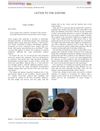 12 citations
,
March 2018 in “Australasian Journal of Dermatology”
12 citations
,
March 2018 in “Australasian Journal of Dermatology” Minoxidil treatment can reduce hair shedding, increase hair volume, and even change hair color in patients with loose anagen hair syndrome.
January 2023 in “SKIN The Journal of Cutaneous Medicine”  1 citations
,
January 2019 in “Acta dermato-venereologica”
1 citations
,
January 2019 in “Acta dermato-venereologica” The woman's skin and hair symptoms were confirmed as frontal fibrosing alopecia, and while facial papules are common in such cases, there's no effective local treatment, but systemic treatments can help.
 309 citations
,
May 1993 in “Journal of The American Academy of Dermatology”
309 citations
,
May 1993 in “Journal of The American Academy of Dermatology” Horizontal scalp biopsy sections effectively diagnose and predict MPAA, with follicular density and inflammation impacting hair regrowth.
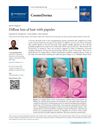 September 2024 in “Cosmoderma”
 The young man has complete hair loss and skin bumps, with no other health issues or family history.

Early treatment is important for better hair regrowth in elderly women with hair loss.

Female pattern hair loss, common in women, can be treated with various methods like minoxidil, anti-androgen treatments, and light therapy, but early intervention and realistic expectations are crucial.

The study concluded that Frontal fibrosing alopecia can affect younger people, is often missed in men, and may be autoimmune-related.
 9 citations
,
August 2014 in “Journal of The American Academy of Dermatology”
9 citations
,
August 2014 in “Journal of The American Academy of Dermatology” Hormonal imbalances may play a role in frontal fibrosing alopecia, and antiandrogenic drugs combined with steroids are currently the most effective treatment.
 August 2022 in “IntechOpen eBooks”
 The best treatment for Frontal Fibrosing Alopecia and Lichen Planopilaris combines oral and topical medications to reduce symptoms and stop hair loss.
April 2024 in “Journal of clinical medicine” Effective treatment guidelines for frontal fibrosing alopecia are still unclear.
 3 citations
,
February 2022 in “Cureus”
3 citations
,
February 2022 in “Cureus” Frontal fibrosing alopecia can sometimes look like syphilitic hair loss.
 September 2024 in “Journal of the American Academy of Dermatology”
 Phenoxyethanol in hair growth products may be linked to frontal fibrosing alopecia.
 1 citations
,
March 1995 in “JAMA”
1 citations
,
March 1995 in “JAMA” The woman's hair loss is likely stress-related and should improve without treatment.
 April 2026 in “Zenodo (CERN European Organization for Nuclear Research)”
 Hair loss is common, with different types affecting people due to genetics, stress, or autoimmune issues.
 16 citations
,
June 2008 in “Springer eBooks”
16 citations
,
June 2008 in “Springer eBooks” Over 50% of women over 50 experience hair loss, with minoxidil being the only proven effective treatment.
September 2025 in “British Journal of Dermatology”  1 citations
,
July 2021 in “Anais Brasileiros de Dermatologia”
1 citations
,
July 2021 in “Anais Brasileiros de Dermatologia” The conclusion is that three signs can help diagnose hair loss after it happens, potentially avoiding more invasive tests.
 1 citations
,
May 2003 in “Archives of Pathology & Laboratory Medicine”
1 citations
,
May 2003 in “Archives of Pathology & Laboratory Medicine” The boy had trichotillomania, causing hair loss, and treatment focused on habit reversal and support.