 January 2026 in “Food Science and Human Wellness”
 Flammulina velutipes polysaccharide helps the immune system fight tumors by activating certain pathways.
 June 2018 in “Surgical Case Reports”
 S-1 treatment led to a complete response in pancreatic cancer with manageable side effects.
July 2024 in “Journal of Investigative Dermatology” PP405 may help hair growth by activating hair follicle stem cells.
7 citations
,
January 2019 in “Dermatology Online Journal” Ustekinumab treatment didn't prevent frontal fibrosing alopecia.
24 citations
,
December 2016 in “Stem Cell Research & Therapy” P311 helps skin stem cells become myofibroblast-like cells, aiding wound healing.
 March 2026 in “Dermatology Reports”
 FFA has higher long-term remission rates than LPP.
September 2022 in “Zenodo (CERN European Organization for Nuclear Research)”  134 citations
,
June 2012 in “International Journal of Oral and Maxillofacial Surgery”
134 citations
,
June 2012 in “International Journal of Oral and Maxillofacial Surgery” Facial feminization surgery is effective in helping transgender women appear more feminine and has high patient satisfaction.
 December 2022 in “Journal of neurodevelopmental disorders”
 Hair follicle sampling is a practical method for measuring biomarkers in children with and without Fragile X syndrome.
 80 citations
,
April 2018 in “Trends in Molecular Medicine”
80 citations
,
April 2018 in “Trends in Molecular Medicine” Lichen Planopilaris and Frontal Fibrosing Alopecia may help us understand hair follicle stem cell disorders and suggest new treatments.
 April 2023 in “The journal of investigative dermatology/Journal of investigative dermatology”
 Folliculotropic mycosis fungoides has unique molecular features and cell interactions that could guide targeted therapy.
April 2026 in “Journal of Dermatological Treatment” CGF and i-PRF are more effective and safer than PRP for treating female pattern hair loss.
 8 citations
,
December 2017 in “Journal of The American Academy of Dermatology”
8 citations
,
December 2017 in “Journal of The American Academy of Dermatology” The authors updated the criteria for diagnosing frontal fibrosing alopecia, making it easier to diagnose without a biopsy.
35 citations
,
January 2020 in “Journal of the American Academy of Dermatology” Avoiding certain allergens in personal care products may improve symptoms for some patients with lichen planopilaris or frontal fibrosing alopecia.
 September 2025 in “Journal of the American Academy of Dermatology”
 Reducing SFRP1 can promote hair growth and may help treat hair loss.
5 citations
,
April 2025 in “Journal of Functional Biomaterials” A-PRF+ improves bone healing and stability in oral surgery.
 12 citations
,
January 2005 in “Pediatric Dermatology”
12 citations
,
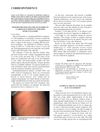
January 2005 in “Pediatric Dermatology” Fox Fordyce disease might be more common in prepubertal girls than thought and can be managed with treatment.
April 2019 in “Journal of Investigative Dermatology” Targeting immune pathways like JAK/STAT may help treat frontal fibrosing alopecia.
 15 citations
,
August 2019 in “Dermatologic Therapy”
15 citations
,
August 2019 in “Dermatologic Therapy” Platelet-rich plasma (PRP) may help treat hair loss in patients with frontal fibrosing alopecia who don't respond to other treatments.
 September 2022 in “British Dental Journal”
 Platelet-rich fibrin is becoming popular for medical and cosmetic uses like hair growth and natural fillers.
 January 2024 in “Skin appendage disorders”
 A man with follicular psoriasis got better after treatment with skin cream and allergy pills.
 November 2023 in “Journal of cosmetic dermatology”
 The 595-nm pulsed dye laser effectively reduces symptoms of EFFC with minimal side effects.
 11 citations
,
May 2023 in “Journal of Cutaneous Medicine and Surgery”
11 citations
,
May 2023 in “Journal of Cutaneous Medicine and Surgery” Plasma Rich in Growth Factors may help reduce hair loss in Frontal Fibrosing Alopecia.
3 citations
,
April 2022 in “Research Square (Research Square)” PBX1 reduces aging and cell death in stem cells by boosting SIRT1 and lowering PARP1.
1 citations
,
January 2004 in “Linchuang pifuke zazhi” Substance P helps hair growth by extending the growth phase and affecting certain growth factors.
The document recommends a multidisciplinary approach and experience sharing to advance facial feminization surgery as a medical field.
December 2024 in “Regenerative Therapy” Inhibiting SFRP1 may help treat hair loss.

A standardized consent form for PRP injections improves patient trust and legal protection.
 39 citations
,
March 2008 in “Journal of biological chemistry/The Journal of biological chemistry”
39 citations
,
March 2008 in “Journal of biological chemistry/The Journal of biological chemistry” GLI2 increases follistatin production in human skin cells.
 November 2022 in “Research Square (Research Square)”
 Using facial sunscreen and moisturizer may increase the risk of frontal fibrosing alopecia.