Antifungal treatment reduced asthma exacerbations and corticosteroid use but its overall benefit is unclear.
 2 citations
,
November 2014 in “The journal of investigative dermatology/Journal of investigative dermatology”
2 citations
,
November 2014 in “The journal of investigative dermatology/Journal of investigative dermatology” Oral tofacitinib can treat both psoriasis and alopecia universalis by normalizing inflammatory pathways.
 28 citations
,
December 2017 in “Journal of Investigative Dermatology Symposium Proceedings”
28 citations
,
December 2017 in “Journal of Investigative Dermatology Symposium Proceedings” Tofacitinib shows promise for treating severe hair loss in adults and teens, with many experiencing regrowth, but hair loss returns when treatment stops.
 185 citations
,
June 2014 in “Journal of Investigative Dermatology”
185 citations
,
June 2014 in “Journal of Investigative Dermatology” A man with severe hair loss and skin disease regrew his hair with no side effects after taking tofacitinib.
 April 2012 in “Journal of the American Academy of Dermatology”
 Clofazimine effectively treated ashy dermatosis in a patient.
June 2025 in “British Journal of Dermatology” Tofacitinib was more effective than methotrexate for treating alopecia areata.
November 2025 in “Preprints.org” The gel effectively reduced folliculitis symptoms and was safe to use.
17 citations
,
June 2022 in “Frontiers in Nutrition” Fermented mushroom extract reduces intestinal inflammation in mice.
2 citations
,
January 2012 in “Journal of Clinical & Experimental Dermatology Research” Fexofenadine reduces discomfort but doesn't significantly improve hair regrowth in Alopecia Areata treatment.
 37 citations
,
January 2009 in “Sexual Development”
37 citations
,
January 2009 in “Sexual Development” Fadrozole and Finasteride change frog sex ratios and cause intersex animals with altered gene expressions.
14 citations
,
November 2024 in “Pharmaceuticals” Spanlastic nano-vesicles improve famotidine's effectiveness and absorption.
July 2022 in “British Journal of Dermatology” 7 citations
,
January 2019 in “Dermatology Online Journal” Ustekinumab treatment didn't prevent frontal fibrosing alopecia.
 15 citations
,
February 2021 in “Scientific Reports”
15 citations
,
February 2021 in “Scientific Reports” RNA aptamers can specifically block FGF5-related cell growth, potentially treating related diseases or hair disorders.
Farudodstat may effectively treat alopecia areata by protecting hair follicles without harmful effects.
 June 2025 in “International Journal of Science and Research (IJSR)”
 Tofacitinib effectively promotes hair regrowth in alopecia areata with minimal side effects.
 January 2021 in “Anais do Congresso Brasileiro de Reumatologia 2020”
 Tofacitinib improved arthritis and partially improved hair loss in a lupus patient without side effects.
January 2007 in “Frontiers in Medicine” Tofacitinib works well for treating alopecia areata, especially when combined with corticosteroids, but is less effective if the disease has lasted over 2 years.
 1 citations
,
April 2017 in “Journal of Investigative Dermatology”
1 citations
,
April 2017 in “Journal of Investigative Dermatology” Tofacitinib may slow hair loss in scarring alopecias but is unlikely to regrow significant hair.
 36 citations
,
May 2004 in “The journal of small animal practice/Journal of small animal practice”
36 citations
,
May 2004 in “The journal of small animal practice/Journal of small animal practice” Combining cyclosporine A and ketoconazole can effectively treat anal furunculosis in dogs, with some experiencing recurrences and mild side effects.
 May 2024 in “Australasian journal of dermatology”
 A man with a type of skin lymphoma had unusual yellowish skin growths despite normal blood lipid levels, and treatment reduced some symptoms but not the growths.
Oral tofacitinib effectively treats alopecia areata long-term with manageable side effects.
April 2026 in “Clinical and Translational Science” Tofacitinib effectively treats severe alopecia areata, improving hair regrowth and patient satisfaction.
 8 citations
,
May 2017 in “Singapore Medical Journal”
8 citations
,
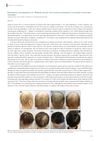
May 2017 in “Singapore Medical Journal” A Korean woman with complete hair loss regrew her hair after taking tofacitinib, with no side effects.
 3 citations
,
April 2016 in “Journal of Investigative Dermatology”
3 citations
,
April 2016 in “Journal of Investigative Dermatology” Tofacitinib, a JAK inhibitor, improved hair regrowth in most patients with severe alopecia areata and had minimal side effects.
April 2026 in “Case Reports in Dermatology” Tofacitinib effectively treated a woman's complex autoimmune and autoinflammatory disorders.
 21 citations
,
July 2014 in “Antimicrobial Agents and Chemotherapy”
21 citations
,
July 2014 in “Antimicrobial Agents and Chemotherapy” Finasteride effectively prevents biofilm formation and treats preformed biofilms, but requires high doses.
 40 citations
,
January 2017 in “Intestinal Research”
40 citations
,
January 2017 in “Intestinal Research” Genotyping for NUDT15 p.Arg139Cys can help predict thiopurine side effects in Japanese IBD patients.
12 citations
,
January 2016 in “Journal of clinical biochemistry and nutrition” Deferasirox combined with sorafenib reduces liver cancer risk and lessens treatment side effects.
 2 citations
,
November 2007 in “Journal of Investigative Dermatology”
2 citations
,
November 2007 in “Journal of Investigative Dermatology” Fluocinolone acetonide slows down hair follicle stem cells but speeds up skin cell growth in mice.