18 citations
,
February 2024 in “Skin Research and Technology” Combining different treatments often works best for acne scars, but see a dermatologist first.
1 citations
,
May 2016 in “Hair transplant forum international”  3 citations
,
August 2003 in “International Journal of Cosmetic Surgery and Aesthetic Dermatology”
3 citations
,
August 2003 in “International Journal of Cosmetic Surgery and Aesthetic Dermatology” Fiber implants effectively treat permanent hair loss with over 85% success and minimal complications.

Stem cell therapy before hair transplant improves hair growth on scarred scalp.
 July 2021 in “Aesthetic Surgery Journal”
 Using lasers and fat grafting before hair transplant improves hair growth on scarred skin.
July 2025 in “Burns & Trauma” 3D cell spheroids can help reduce scars by delivering therapeutic vesicles.
 February 2021 in “Pakistan Armed Forces Medical Journal”
 A rare skin condition usually found near the eyes was found on a farmer's scalp.
5 citations
,
April 2024 in “BMJ Open” Standardized ultrasound methods are needed for measuring scar thickness in clinical practice.
November 2025 in “Journal of Clinical Medicine” PRP may help reduce scar symptoms like pain and itching after six months.
54 citations
,
May 2021 in “International Journal of Molecular Sciences” Advances in mechanobiology and immunology could lead to scarless wound healing.
 October 2025 in “Pediatric Dermatology”
 A 16-year-old boy's facial condition improved with doxycycline, suggesting an immune response to hair follicle damage.
 April 2026 in “Journal of Pharmaceutical Investigation”
 Nanotechnology could improve treatment for scars and atopic dermatitis by targeting skin issues more effectively.
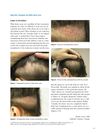
May 2025 in “Dermatology Reports” Combining fat grafting and hair transplantation successfully restored hair in a woman with scarring alopecia.
 6 citations
,
March 2008 in “Dermatologic Surgery”
6 citations
,
March 2008 in “Dermatologic Surgery” Transplanting chest hair into scars can effectively treat wide donor scars from hair restoration surgery.
 27 citations
,
January 2015 in “Current problems in dermatology”
27 citations
,
January 2015 in “Current problems in dermatology” The document concludes that primary scarring alopecias cause permanent hair loss, have unpredictable outcomes, and lack definitive treatments, requiring personalized care.
1 citations
,
February 2023 in “Tropical Journal of Pharmaceutical Research” Polysulfonic acid mucopolysaccharide can reduce skin scarring.
September 2025 in “Biological Procedures Online” The improved surgical method increases success and reduces fetal loss in fetal mouse models for scarless skin healing.
 20 citations
,
April 2011 in “Dermatologic Surgery”
20 citations
,
April 2011 in “Dermatologic Surgery” Laser therapy helped new hair grow in scarred skin for three patients.
 16 citations
,
October 1979 in “The Journal of Dermatologic Surgery and Oncology”
16 citations
,
October 1979 in “The Journal of Dermatologic Surgery and Oncology” Scalp reduction surgery successfully reduced baldness and improved self-image in a burn victim before hair transplantation.
 51 citations
,
January 2006 in “Wound Repair and Regeneration”
51 citations
,
January 2006 in “Wound Repair and Regeneration” MRL/MpJ mice's skin wounds heal with scars, unlike their ear wounds which can regenerate.
 3 citations
,
June 2025 in “Archives of Dermatological Research”
3 citations
,
June 2025 in “Archives of Dermatological Research” Biologics and JAK inhibitors may improve treatment for scarring alopecias.
 September 2025 in “Journal of Cutaneous and Aesthetic Surgery”
 Scalp micropigmentation improves appearance and satisfaction in scarring alopecia but may require repeat sessions.
 5 citations
,
February 2017 in “Facial Plastic Surgery Clinics of North America”
5 citations
,
February 2017 in “Facial Plastic Surgery Clinics of North America” Improve chin and perioral scars with surgery, resurfacing, and other therapies, tailored to each patient.
 July 2025 in “The Egyptian Journal of Hospital Medicine”
 Preparing scars with PRP or CO₂ laser improves hair transplant success.
 2 citations
,
January 2024 in “American Journal of Translational Research”
2 citations
,
January 2024 in “American Journal of Translational Research” Younger age, good nutrition, low anxiety, better scar care, and fewer infections lead to better cosmetic results after facial reconstruction.
1 citations
,
January 2001 in “Acta Archaeologica Academiae Scientiarum Hungaricae” FUE is a less invasive hair restoration method that avoids visible scars and reduces recovery time.
8 citations
,
June 2015 in “Wound Repair and Regeneration” SCF helps heal diabetic wounds by promoting stem cell migration.
January 2025 in “Dermatologic Therapy” Combining fractional CO2 laser with type III collagen improves acne scar treatment.