 4 citations
,
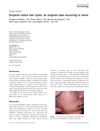
July 2014 in “International Journal of Dermatology”
4 citations
,
July 2014 in “International Journal of Dermatology” Twins had rare skin cysts likely due to genetics.
3 citations
,
January 2025 in “Journal of the American Academy of Dermatology” Early diagnosis and a multidisciplinary approach are crucial for managing Frontal Fibrosing Alopecia.
 2 citations
,
July 2022 in “Cell Regeneration”
2 citations
,
July 2022 in “Cell Regeneration” Understanding hair growth involves complex factors, and more research is needed to improve treatments for hair loss conditions.
 2 citations
,
January 2017 in “Journal of Pigmentary Disorders”
2 citations
,
January 2017 in “Journal of Pigmentary Disorders” Genetics, stress, and health issues can cause early hair greying, which affects self-esteem, and there's no cure, only hair dye.
 1 citations
,
January 2006 in “Elsevier eBooks”
1 citations
,
January 2006 in “Elsevier eBooks” Cats lose fur due to various reasons, including allergies, infections, genetics, hormones, diet, cancer, stress, and some conditions are treatable while others are not.
 May 2026 in “Zenodo (CERN European Organization for Nuclear Research)”
 Androgenetic alopecia is common hair loss caused by genetics and hormones, with treatments mainly slowing it down.
 January 2026 in “International Journal of All Research Education & Scientific Methods”
 Alopecia is caused by various factors, and new treatments like gene editing and regenerative medicine offer hope for personalized hair regrowth solutions.
December 2025 in “BENTHAM SCIENCE PUBLISHERS eBooks” Secondary plant metabolites may offer a safer treatment for alopecia areata.
August 2025 in “Skin Appendage Disorders” Topical minoxidil can help improve hair in trichonodosis.
July 2025 in “Human Genomics” New LSS gene variants help understand congenital hypotrichosis 14 better.
June 2025 in “British Journal of Dermatology” Better diagnostic and treatment strategies are needed for acne keloidalis nuchae, especially in high-risk groups.
 December 2024 in “Brazilian Journal of Health Review”
 Early diagnosis of alopecia frontal fibrosante is crucial, but treatment remains controversial and varies.
December 2024 in “Benha Journal of Applied Sciences” Early intervention and continuous treatment are key for managing hereditary hair loss effectively.
November 2024 in “JAAD Case Reports” A 21-month-old boy has a rare genetic disorder causing sparse hair due to an LSS gene mutation.
 September 2024 in “Journal Of Social Sciences And Humanites”
 A combined approach of medical treatments, natural remedies, diet, and stress management is best for hair regrowth in Cambodia.

AI can predict hair loss patterns to improve care and treatment.
 February 2024 in “The Open dermatology journal”
 Alopecia Areata affects people of all ages worldwide, is likely caused by genetic and environmental factors, and can lead to stress and depression, highlighting the need for treatments that address both physical and mental health.

Different genes cause Female Pattern Hair Loss compared to male hair loss, and treatments vary, but more research is needed to understand it fully.
 March 2023 in “International journal of trichology”
 Six genetic conditions are often linked to complete scalp hair loss in children.
Hair loss affects well-being but can be treated with medication or surgery.
 July 2022 in “Revista Científica de Estética e Cosmetologia”
 Many treatments for hair loss from androgenetic alopecia are giving people satisfying results.
 August 2021 in “Annals of Agricultural and Environmental Medicine”
 The article concludes that understanding Frontal Fibrosing Alopecia (FFA) is crucial for effective treatment, which includes medication like 5α-reductase inhibitors and hydroxychloroquine.
 May 2020 in “Research Square (Research Square)”
 Trichilemmal carcinoma shares genetic traits with other skin cancers, suggesting similar treatment options.
 April 2020 in “Research Square (Research Square)”
 Trichilemmal carcinoma shares genetic traits with other skin cancers, suggesting similar treatment options.
November 2019 in “Harper's Textbook of Pediatric Dermatology” Mutations in keratin genes cause skin, hair, and nail disorders, with future treatments possible.

Accurate diagnosis and tailored treatments are crucial for managing hair loss in humans and animals.
 January 2018 in “Springer eBooks”
 Hidradenitis Suppurativa is likely an autoinflammatory disease, and better understanding its causes could improve treatments.
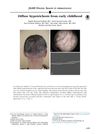 September 2016 in “Journal of The American Academy of Dermatology”
 The girl has a genetic hair condition causing thin hair since childhood.

Female hair loss is often hereditary and can be treated with medication, hair transplants, and lasers.
 January 2016 in “Journal of The Korean Medical Association”
 The document says how to diagnose and treat hair loss from alopecia areata, but there's no cure and treatments vary.