5 citations
,
December 2022 in “Genes” Genetic differences affect how people respond to COVID-19.
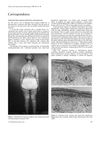 5 citations
,
January 1998 in “Clinical and experimental dermatology”
5 citations
,
January 1998 in “Clinical and experimental dermatology” Myotonic dystrophy should be considered in patients with hair thinning, and genetic counseling is important.
 4 citations
,
July 2019 in “Children (Basel)”
4 citations
,
July 2019 in “Children (Basel)” The review concludes that more research is needed to better improve the health outcomes for people with Polycystic Ovarian Syndrome.
 4 citations
,
January 2010 in “Animal”
4 citations
,
January 2010 in “Animal” Improving knowledge and practices in animal fibre production is crucial to meet market demands and potentially revive natural fibres.
3 citations
,
August 2024 in “Frontiers in Endocrinology” Thyroid issues can cause alopecia areata.
3 citations
,
July 2024 in “Skin Research and Technology” Asthma may increase the risk of alopecia areata.
 3 citations
,
December 2018 in “Meta Gene”
3 citations
,
December 2018 in “Meta Gene” Certain gene variations increase male hair loss risk, influenced by hormone levels.
 3 citations
,
February 2020 in “The journal of gene medicine”
3 citations
,
February 2020 in “The journal of gene medicine” A mutation in the HR gene causes a rare form of irreversible hair loss in two Kashmiri families. Whole exome sequencing is effective for finding such mutations.
 2 citations
,
September 2022 in “Frontiers in genetics”
2 citations
,
September 2022 in “Frontiers in genetics” Different proteins are linked to the varying thickness of sheep and goat hair types.
 2 citations
,
February 2018 in “InTech eBooks”
2 citations
,
February 2018 in “InTech eBooks” PCOS is complex, affects many, and requires informed management and lifestyle changes.
 2 citations
,
June 2000 in “Journal of The American Academy of Dermatology”
2 citations
,
June 2000 in “Journal of The American Academy of Dermatology” Mutation in hairless gene may increase hair loss risk.
 1 citations
,
May 2025 in “Animal Bioscience”
1 citations
,
May 2025 in “Animal Bioscience” Four genes affect hair follicle density in goats.
1 citations
,
February 2025 in “Medicina” No significant genetic link to alopecia areata was found in the Jordanian group.
1 citations
,
December 2024 in “BMC Genomics” Nuptial pads in Chinese brown frogs change seasonally due to specific gene activity.
 1 citations
,
July 2018 in “Elsevier eBooks”
1 citations
,
July 2018 in “Elsevier eBooks” Heredity and hormones cause common hair loss, and topical minoxidil is the first recommended treatment.
 1 citations
,
January 2006 in “Elsevier eBooks”
1 citations
,
January 2006 in “Elsevier eBooks” Cats lose fur due to various reasons, including allergies, infections, genetics, hormones, diet, cancer, stress, and some conditions are treatable while others are not.
 July 2026 in “Journal of Cutaneous and Aesthetic Surgery”
 Male hair loss is mainly due to androgens, while female hair loss involves hormones, vitamins, and genetics.
A woman with a rare hair loss condition developed skin cancer in the bald area.
August 2025 in “Andrology” Abraham's family infertility may have a genetic explanation.
 July 2025 in “Annals of Human Genetics”
 Genetics play a major role in acne, but environmental factors and epigenetics also contribute.
Certain genes may influence hair loss differently in men and women.
 May 2024 in “Indian Journal of Dermatology”
 Androgenetic alopecia in men is genetic and linked to health issues like obesity and heart disease, with treatments including minoxidil, finasteride, and hair transplants.
 June 2023 in “Dermatology and therapy”
 The Middle East and Africa need better data, treatment consensus, and support for Alopecia Areata.
 January 2023 in “Revista Paulista de Pediatria”
 A Brazilian male with IFAP syndrome has a unique genetic variant causing his condition.

The document concludes that the development of certain tumors is influenced by genetic background and that a specific gene modification can lead to tumor regression and reduced growth.
 May 2021 in “GSC Advanced Research and Reviews”
 Hair color is influenced by genetics and can indicate certain health conditions.
Premature greying of hair affects the social lives of medical students but not their self-esteem.
Accurate diagnosis and tailored treatments are crucial for managing hair loss in humans and animals.
SLC24A5 shows a clear selective sweep, but no link to UV radiation intensity.
 January 2016 in “Journal of The Korean Medical Association”
 The document says how to diagnose and treat hair loss from alopecia areata, but there's no cure and treatments vary.