 1 citations
,
July 2016 in “Livestock science”
1 citations
,
July 2016 in “Livestock science” Nerve growth factor helps cashmere goat hair cells grow and is more active during the hair growth phase.
7 citations
,
July 2016 in “Journal of Biomedical Materials Research Part A” cGEL hydrogel improves melanin production in skin cells, making it a promising option for skin treatments.
12 citations
,
July 2015 in “Experimental Dermatology” Gasdermin A3 overexpression in skin causes inflammation and hair loss.
124 citations
,
December 1983 in “Developmental Biology” EGF receptors are crucial for skin cell growth and decrease with age.
 June 2013 in “Faculty Opinions – Post-Publication Peer Review of the Biomedical Literature”
 FGF9 from certain cells can trigger new hair growth during wound healing, but humans have fewer of these cells, which may limit hair regrowth.
 December 2023 in “American Journal of Animal and Veterinary Sciences”
 Immature blackbuck pancreas has underdeveloped goblet cells and similar Langerhans islets in both sexes.
44 citations
,
October 2016 in “Epilepsia” 2-DG reduces seizures by enhancing brain inhibition through specific receptor activation.
17 citations
,
May 2007 in “British Journal of Dermatology” Gomez–Lopez–Hernandez syndrome can cause focal hair loss and developmental delays but some children can still function well and excel in school and sports.
June 2026 in “British Journal of Dermatology” Hair transplants may trigger frontal fibrosing alopecia.
 July 2024 in “International Journal of Dermatology Venereology and Leprosy Sciences”
 Scalp tissue micrografts can effectively treat hair loss by increasing hair density and thickness.
January 2024 in “Updates in clinical dermatology” Frontal fibrosing alopecia is a scarring hair loss condition mainly affecting postmenopausal women, with unclear causes.
87 citations
,
June 2010 in “Stem Cell Research & Therapy” Stem cells can move to brain injury sites and be tracked, showing promise for treating brain diseases.
May 2026 in “International Journal of Dermatology” Higher levels of 3α-diol G are linked to more severe female pattern hair loss.
January 2003 in “Linchuang pifuke zazhi” Melanin granules can be expelled by exocytosis.
March 2026 in “Anais Brasileiros de Dermatologia” Lichen planopilaris and frontal fibrosing alopecia are likely distinct diseases with different tissue involvement.
3 citations
,
January 1984  October 2024 in “Journal of the Endocrine Society”
 Ayme-Gripp Syndrome was confirmed in a woman through genetic testing, highlighting the need to consider rare genetic conditions in diagnoses.
December 2016 in “Anales del sistema sanitario de Navarra” Frontal fibrosing alopecia is increasing, especially in postmenopausal women, and treatment with finasteride can improve it.
April 2021 in “Aktuelle Dermatologie” Frontal Fibrosing Alopecia is a type of hair loss that mainly affects postmenopausal women, has unclear causes, and lacks evidence-based treatments.
 6 citations
,
June 2011 in “British Journal of Dermatology”
6 citations
,
June 2011 in “British Journal of Dermatology” People with alopecia areata have higher levels of RBP4 protein and antibodies against it.
30 citations
,
July 1998 in “British Journal of Dermatology” Fat cells slow hair cell growth but speed up their development.
February 2010 in “Journal of the American Academy of Dermatology” Activating cAMP and ATP improves hair growth and strength.
23 citations
,
September 2020 in “Journal of Dermatological Science” Targeting Vδ1+T-cells may help treat alopecia areata.
 7 citations
,
December 2008 in “Journal of Dermatological Science”
7 citations
,
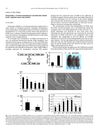
December 2008 in “Journal of Dermatological Science” Progranulin overexpression leads to shorter, thinner hair and increased cell death in mouse hair follicles.
105 citations
,
December 1998 in “Archives of Dermatological Research” Dermal papilla cells mainly drive blood vessel growth in hair follicles.
 December 2025 in “Scientific Reports”
 Valproic acid helps hair follicle stem cells survive better in low oxygen and glucose conditions.
April 2026 in “Journal of Dermatological Treatment” CGF and i-PRF are more effective and safer than PRP for treating female pattern hair loss.
 102 citations
,
April 2014 in “International Journal of Dermatology”
102 citations
,
April 2014 in “International Journal of Dermatology” The treatment helped reduce symptoms and stabilize the hairline in most patients with Frontal Fibrosing Alopecia, but hair regrowth was limited.
 October 2023 in “Nepal journal of dermatology, venereology & leprology”
 The document suggests doctors should watch for bone marrow suppression and severe hair loss in patients treated with Azathioprine.
 January 2026 in “Stem Cell Research & Therapy”
 ASLNC168501 can help treat hair loss by restoring hair follicle stem cell function.