14 citations
,
January 2021 in “Stem cell research & therapy” Human skin cells with stem-like features can help create new hair follicles and sebaceous glands when combined with other cells.
32 citations
,
June 2021 in “Frontiers in Pharmacology” The hydrogel speeds up burn wound healing and promotes tissue regeneration.
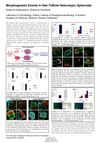
Researchers developed a method to create artificial hair follicles that may help with hair loss treatment and research.
 December 2024 in “PubMed”
 TrichoFoam™ effectively delivers multiple hair loss treatments, maintaining their stability and effectiveness.
 22 citations
,
September 2019 in “ACS omega”
22 citations
,
September 2019 in “ACS omega” The new nanocomposite films are stronger, protect against UV, speed up wound healing, and are antibacterial without being toxic.
 26 citations
,
December 2021 in “Regenerative Biomaterials”
26 citations
,
December 2021 in “Regenerative Biomaterials” The hydrogel speeds up skin wound healing and helps regenerate tissue.
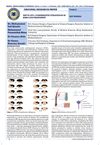 November 2025 in “PARIPEX-INDIAN JOURNAL OF RESEARCH”
 GFC is more effective than PRP for treating hair loss.
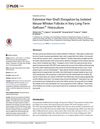 5 citations
,
September 2015 in “PLoS ONE”
5 citations
,
September 2015 in “PLoS ONE” Gelfoam® histoculture supports long-term hair and nerve growth in mouse whisker follicles.
May 2026 in “Advanced Materials Interfaces” The new coating protects and strengthens hair while improving its properties.
February 2026 in “Chemical Engineering Journal” PCA hydrogel promotes hair growth by enhancing blood vessel formation and hair follicle stem cell activity.
A new hydrogel made from human hair keratin can help regenerate skin and fight bacteria.
 48 citations
,
July 2019 in “International Journal of Biological Macromolecules”
48 citations
,
July 2019 in “International Journal of Biological Macromolecules” A new hydrogel with stem cells from human umbilical cords improves skin wound healing and reduces inflammation.
August 2025 in “Bioactive Materials” Ac-GFFY-IGF peptide is a promising, safe, and effective treatment for hair loss, better than current options.
January 2010 in “Acta Laboratorium Animalis Scientia Sinica” The UHS promoter is specific to mouse hair follicles.
 December 2025 in “PubMed”
 The minoxidil and finasteride foam remains stable and effective for 180 days at room temperature.
1 citations
,
August 2014 in “OhioLink ETD Center (Ohio Library and Information Network)” Alkylated keratin from human hair can help deliver growth factors for bone healing.
9 citations
,
February 2016 in “Anatomical Science International” Hair proteins change location and structure as hair cells mature.
2 citations
,
December 1994 in “International Journal of Cosmetic Science” Polymer complexation makes hyaluronic acid stick to hair better, enhancing its moisturizing effects.
40 citations
,
January 2022 in “Frontiers in Chemistry” The patch speeds up deep wound healing.
22 citations
,
May 2004 in “Tissue Engineering” PGA fiber-reinforced collagen sponges improve hair growth and skin structure.
 August 2023 in “Cell Proliferation”
 Human cells in plasma-derived gels can potentially mimic hair follicle environments, improving hair regeneration therapies.
4 citations
,
January 2009 in “International journal of trichology” Minoxidil topical foam is a better, less irritating treatment for hair loss.
 3 citations
,
January 2015 in “Sen i Gakkaishi”
3 citations
,
January 2015 in “Sen i Gakkaishi” The new keratin film without KAPs stains better and could help study keratin functions.
January 2026 in “Therapeutics” SCUBE3 is a potential target for cancer and alopecia treatment but is challenging to target due to its varied roles.
 March 2025 in “Advanced Materials”
 The hydrogel helps heal diabetic wounds quickly and effectively.
15 citations
,
January 2024 in “Journal of Materials Chemistry B” The hydrogel speeds up wound healing and improves skin repair better than commercial options.
 June 2026 in “The Journal of the Kyushu Dental Society”
 A new mouse model using pyroxylin can promote hair growth and may help develop human hair growth treatments.
5 citations
,
May 2023 in “Microbial Cell Factories” A stable, active version of a growth factor was made in bacteria, showing promise for medical use.
November 2025 in “Advanced Science” The treatment using a special hydrogel shows promise for promoting hair growth.
49 citations
,
January 2017 in “Journal of Materials Chemistry B” The hydrogel helps heal skin injuries by promoting blood vessel and hair growth.