24 citations
,
February 1986 in “Cancer” A pancreatic tumor caused high glucagon levels and symptoms, but treatment reduced glucagon and shrank liver tumors.
December 2015 in “OPAL (Open@LaTrobe) (La Trobe University)” QLT0267 stops hair follicle cell growth and movement.
Baricitinib shows promise for treating alopecia areata with mild side effects.
227 citations
,
April 2023 in “The Lancet” Ritlecitinib effectively treats alopecia areata and is well-tolerated.
 February 2025 in “medRxiv (Cold Spring Harbor Laboratory)”
 GLP-1 agonists may increase the risk of hair loss.
 June 2023 in “Fundamental & clinical pharmacology”
 JAK inhibitors help treat some diseases but may increase risks of blood clots and cancer in certain patients.
December 2025 in “The Journal of Dermatology” Ritlecitinib effectively reduces hair loss in JAK inhibitor-naïve alopecia areata patients.
July 2026 in “Journal of the American Academy of Dermatology” 1 citations
,
November 2025 in “Neuro-Oncology” Safusidenib erbumine shows promise as a treatment for certain brain tumors, but mild side effects like hair loss need attention.
 June 2023 in “Food frontiers”
 Ginsenoside CK, found in Panax ginseng, can prevent hair loss by controlling certain growth pathways and promoting hair follicle development.
3 citations
,
October 2024 in “Frontiers in Pharmacology” Compounds from Pterocarpus indicus may help treat benign prostatic hyperplasia by stopping cell growth.
 January 2023 in “Indian Dermatology Online Journal”
 No single ideal JAK inhibitor for alopecia areata has been determined; JAK3 inhibitors may be promising with fewer side effects.
13 citations
,
November 2022 in “BMB Reports” Wnt/β-catenin activators can help regrow hair lost due to diabetes.
June 2026 in “Health Science Reports” STEAP3 protein might help treat hair loss, but more testing is needed.
 April 2023 in “The journal of investigative dermatology/Journal of investigative dermatology”
 A PTH-based treatment improved hair regrowth better than ruxolitinib in a mouse model of hair loss.
 July 2026 in “Journal of the American Academy of Dermatology”
 GLP-1 and GLP-1/GIP agonists may increase the risk of hair loss.
5 citations
,
April 2019 in “Journal of Investigative Dermatology” Oral JAK inhibitors improved alopecia areata by modulating immune responses and boosting hair growth.
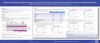 November 2024 in “SKIN The Journal of Cutaneous Medicine”
 Ritlecitinib effectively promotes hair regrowth in severe and very severe alopecia areata.
 54 citations
,
December 2007 in “Best Practice & Research Clinical Endocrinology & Metabolism”
54 citations
,
December 2007 in “Best Practice & Research Clinical Endocrinology & Metabolism” Targeting glucocorticoid action might help treat type-2 diabetes, but human trials are needed.
1 citations
,
January 2020 in “Seoul National University Open Repository (Seoul National University)” PDE3 inhibitor may help treat hair loss by promoting hair growth.
February 2020 in “Benha Journal of Applied Sciences” Higher Galectin-3 levels are linked to insulin resistance and may predict androgenetic alopecia severity.
 4 citations
,
February 2016 in “Clinical Pharmacology & Therapeutics”
4 citations
,
February 2016 in “Clinical Pharmacology & Therapeutics” Hair follicle samples effectively show how well the drug MK-0752 targets and engages with the Notch pathway.
 November 2023 in “The journal of investigative dermatology/Journal of investigative dermatology”
 OR-101 shows promise for treating alopecia areata by improving hair growth.
 3 citations
,
March 2016 in “Journal of Cosmetic Dermatology”
3 citations
,
March 2016 in “Journal of Cosmetic Dermatology” GPIGS peptide increases thick hair growth in balding Japanese men.
 20 citations
,
June 2007 in “Recent Patents on Endocrine, Metabolic & Immune Drug Discovery”
20 citations
,
June 2007 in “Recent Patents on Endocrine, Metabolic & Immune Drug Discovery” Certain inhibitors can potentially treat prostate cancer and other hormone-dependent conditions by controlling sex hormone levels in cells.
 3 citations
,
August 2013 in “Stem cells”
3 citations
,
August 2013 in “Stem cells” Certain inhibitors applied to the skin can promote hair growth by maintaining a key hair growth signal.
2 citations
,
September 2023 in “Journal of the American Academy of Dermatology” CTP-543 effectively promotes hair regrowth in adults with moderate to severe alopecia areata.
 3 citations
,
March 2016 in “Phytotherapy Research”
3 citations
,
March 2016 in “Phytotherapy Research” The new compound was more effective than finasteride in reducing markers of hair loss and prostate issues in cell tests.
May 2025 in “Journal of the European Academy of Dermatology and Venereology” Ritlecitinib is effective for long-term hair regrowth in alopecia areata, especially in females and early treatment.
4 citations
,
March 2025 in “The Journal of Dermatology” Ritlecitinib is effective and safe for hair regrowth in Asian patients with alopecia areata.