 1 citations
,
March 2025 in “Journal of Investigative Dermatology”
1 citations
,
March 2025 in “Journal of Investigative Dermatology” Metabolic issues may trigger lymphocytic cicatricial alopecia, and treatments targeting these issues could help.
 56 citations
,
December 2011 in “The Plant Journal”
56 citations
,
December 2011 in “The Plant Journal” AGD1 is important for root hair development in Arabidopsis, working with phosphoinositide signaling and the actin cytoskeleton.
11 citations
,
March 2024 in “Current Issues in Molecular Biology” Ginsenoside compound K shows promise for treating metabolic diseases like diabetes and obesity.
May 2024 in “Archives of Dermatological Research” TAT-GILZ peptide promotes hair growth by boosting stem cell activity.
46 citations
,
May 1995 in “Proceedings of the National Academy of Sciences” A specific gene region can control targeted and responsive gene expression in mice, useful for skin disorder treatments.
Polyglutamic acid is a valuable, sustainable ingredient for skincare and haircare products.
 March 2026 in “European Journal of Medical and Health Research”
 Women with hair loss had lower IGF-1 levels.
 1 citations
,
July 1997 in “The Lancet”
1 citations
,
July 1997 in “The Lancet” Scientists found a new protein, AMY117, common in Alzheimer's patients, which could be important for treatment and diagnosis.
 7 citations
,
December 2008 in “Journal of Dermatological Science”
7 citations
,
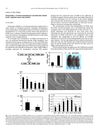
December 2008 in “Journal of Dermatological Science” Progranulin overexpression leads to shorter, thinner hair and increased cell death in mouse hair follicles.
23 citations
,
July 2015 in “PubMed” PDGF and its receptors are crucial for stem cell growth and function.
3 citations
,
December 2023 in “International Journal of Nanomedicine” Repaglinide-loaded liponiosomal hybrids improve blood sugar control and insulin release better than regular Repaglinide.
 2 citations
,
April 2022 in “African Health Sciences”
2 citations
,
April 2022 in “African Health Sciences” The Fatty Liver Index (FLI) may not be enough to rule out non-alcoholic fatty liver disease in lean women with polycystic ovary syndrome.
 January 2026 in “RSC Advances”
 The hydrogel speeds up diabetic wound healing and reduces scarring.
 April 2018 in “Journal of Investigative Dermatology”
 NDRG1 protein helps infantile hemangioma, a common infant tumor, to grow, and its mismanagement by FOXO1 protein plays a big role in causing the tumor.
 53 citations
,
March 2014 in “Growth Hormone & IGF Research”
53 citations
,
March 2014 in “Growth Hormone & IGF Research” IGF-1 injections help mice grow more hair by increasing cell growth and blocking a hair growth inhibitor.
 31 citations
,
October 2010 in “Progress in lipid research”
31 citations
,
October 2010 in “Progress in lipid research” LPA3 is crucial for embryo implantation and links LPA to prostaglandin signaling.
26 citations
,
April 1996 in “Journal of Investigative Dermatology” 33 citations
,
March 1994 in “PubMed” High ODC and low K1 and K10 may indicate early skin tumors in mice.
April 2024 in “Journal of microbiology and biotechnology” The authors will correct the table to show the right antibody information.
Higher PD-1 levels mean fewer CD8+ T cells in alopecia areata hair follicles.
 44 citations
,
March 2008 in “European journal of endocrinology”
44 citations
,
March 2008 in “European journal of endocrinology” Women with PCOS have lower ghrelin levels and a weaker response to sugar, which might affect their feeling of fullness and lead to overeating.
1 citations
,
July 2006 in “Journal of Investigative Dermatology” A 4kb fragment of the desmocollin 3 promoter targets gene expression to specific skin and hair follicle areas.
 September 2024 in “Journal of the American Academy of Dermatology”
 PRO-C22 can help diagnose and monitor the severity of hidradenitis suppurativa.
33 citations
,
June 2007 in “Gene Expression Patterns” CTIP2 may help in skin development and maintenance.
17 citations
,
October 2024 in “Journal of the American Academy of Dermatology” Brepocitinib effectively reduces inflammation and improves symptoms in cicatricial alopecia with good safety.
 7 citations
,
January 1998 in “EXPERIMENTAL ANIMALS”
7 citations
,
January 1998 in “EXPERIMENTAL ANIMALS” The skin of both rat strains showed similar lectin binding patterns.
4 citations
,
July 2022 in “The Journal of Clinical Endocrinology & Metabolism” A specific genetic mutation causes POMC deficiency, leading to symptoms like weight gain and red hair.
August 2015 in “PubMed Central” Epithelial-derived Pop-Up Keratinocytes (ePUKs) may enhance wound healing in regenerative medicine.
 1 citations
,
March 2023 in “Frontiers in Cardiovascular Medicine”
1 citations
,
March 2023 in “Frontiers in Cardiovascular Medicine” A specific gene variant is linked to heart disease, increased heart muscle, curly hair, and thick skin on palms and soles.
3 citations
,
October 2024 in “Frontiers in Pharmacology” Compounds from Pterocarpus indicus may help treat benign prostatic hyperplasia by stopping cell growth.