February 2026 in “International Journal of Clinical Dermatology” Alopecia areata in children shows varied forms and treatment challenges, with some achieving full or partial hair regrowth.
 September 2023 in “Clinical, cosmetic and investigational dermatology”
 A patient with a rare form of lupus improved after treatment for skin ulcers and hair loss on the face and scalp.
 July 2022 in “Singapore Medical Journal”
 Most children with alopecia areata improved with treatment, but those with more hair loss had worse outcomes.
 November 2012 in “South African Family Practice”
 The article concludes that early treatment of alopecia is crucial to prevent permanent hair loss.
 7 citations
,
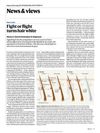
January 2020 in “Nature”
7 citations
,
January 2020 in “Nature” Stress turns hair white by depleting color-giving cells in hair follicles through a specific neurotransmitter related to the body's stress response.
 102 citations
,
April 2014 in “International Journal of Dermatology”
102 citations
,
April 2014 in “International Journal of Dermatology” The treatment helped reduce symptoms and stabilize the hairline in most patients with Frontal Fibrosing Alopecia, but hair regrowth was limited.
38 citations
,
May 2017 in “Medical Science Monitor” Myositis in lupus patients is linked to skin rash, hair loss, blood issues, and high disease activity.
34 citations
,
November 1974 in “Archives of Dermatology” Smaller, diluted corticosteroid injections reduce the risk of vision loss.
21 citations
,
May 2017 in “Paediatric drugs” Individualized treatment plans are crucial for children with alopecia areata, with promising options like JAK inhibitors showing significant hair regrowth.
8 citations
,
July 2018 in “The Journal of Dermatology” Current corticosteroid pulse therapy is not very effective for severe rapidly progressive alopecia areata.
 5 citations
,
January 2021 in “Inflammatory Bowel Diseases”
5 citations
,
January 2021 in “Inflammatory Bowel Diseases” Tofacitinib improved ulcerative colitis, skin ulcers, and hair loss in a patient who didn't respond well to other treatments.
2 citations
,
April 2025 in “Biologics” Dupilumab and ustekinumab are promising treatments for alopecia areata, showing significant hair regrowth.
2 citations
,
January 2014 in “Case Reports in Clinical Medicine” Cronkhite-Canada syndrome is a rare condition causing gut polyps, hair loss, skin changes, and nail issues, often with a poor outlook.
1 citations
,
June 2026 in “Dermato” Ritlecitinib is effective for treating alopecia areata, showing significant hair regrowth with mild side effects.
1 citations
,
May 2026 in “Journal of Dermatological Treatment” JAK1 inhibitor may effectively treat alopecia areata when TNF-α inhibitors and corticosteroids fail.
 1 citations
,
January 2026 in “Dermatology Reports”
1 citations
,
January 2026 in “Dermatology Reports” Tildrakizumab may cause alopecia areata, but stopping it and using corticosteroids can regrow hair.
 1 citations
,
January 2022 in “The Egyptian Journal of Hospital Medicine ”
1 citations
,
January 2022 in “The Egyptian Journal of Hospital Medicine ” Cryotherapy and steroid injections are similarly effective and safe for treating alopecia areata.
January 2026 in “Journal of Aesthetic Nursing” Combining PRP, light therapy, and microneedling can significantly regrow hair in severe alopecia cases.
August 2025 in “JEADV Clinical Practice” Dupilumab successfully treated a woman's alopecia areata and bullous pemphigoid, leading to full hair regrowth and symptom resolution.
July 2026 in “Psychoneuroendocrinology” Hair cortisol and cortisone levels can indicate specific psychosocial stress factors.
39 citations
,
January 2012 in “Dermatology” Combining high-dose corticosteroids with methotrexate may be effective and safe for severe alopecia areata.
 37 citations
,
October 2015 in “Anais Brasileiros de Dermatologia”
37 citations
,
October 2015 in “Anais Brasileiros de Dermatologia” Lichen planopilaris mostly affects women with fair skin and can look different on each person, needing early treatment to prevent hair loss.
18 citations
,
July 1998 in “Pediatric Dermatology” Monthly oral corticosteroid pulses effectively treat widespread alopecia areata in young patients.
3 citations
,
August 2019 in “PubMed” Topical corticosteroid foams are effective, safe, and easy to use for treating various skin conditions.
1 citations
,
March 2023 in “Journal of Drugs in Dermatology” Dupilumab may help regrow hair in people with severe alopecia.
June 2025 in “Scholars Journal of Medical Case Reports” Early minipulse corticosteroid therapy can effectively treat scalp discoid lupus in children.
 February 2024 in “Actas dermo-sifiliográficas/Actas dermo-sifiliográficas”
 Most alopecia areata patients in the study were women, aged 15-49, with patchy hair loss and often had other health conditions.
 October 2019 in “International journal of research in dermatology”
 Misusing topical corticosteroids can cause skin darkening and other side effects.
 July 1988 in “Journal of The American Academy of Dermatology”
 Various dermatologic treatments were effective for skin conditions like acne, rosacea, hair loss, and psoriasis from December 1986 to December 1987.
106 citations
,
January 2013 in “Clinical and Developmental Immunology” Alopecia areata is caused by immune system attacks on hair follicles, often triggered by viral infections.