 127 citations
,
January 2015 in “Journal of Biological Rhythms”
127 citations
,
January 2015 in “Journal of Biological Rhythms” The skin's internal clock affects healing, cancer risk, aging, immunity, and hair growth, and disruptions can harm skin health.
 127 citations
,
January 2013 in “PLOS ONE”
127 citations
,
January 2013 in “PLOS ONE” Probiotic bacteria improved skin and hair health in aged mice.
 47 citations
,
March 2022 in “Frontiers in cellular and infection microbiology”
47 citations
,
March 2022 in “Frontiers in cellular and infection microbiology” Changes in skin microbes play a role in some skin diseases and could lead to new treatments.
 24 citations
,
January 2008 in “KARGER eBooks”
24 citations
,
January 2008 in “KARGER eBooks” The document concludes that ongoing research using animal models is crucial for better understanding and treating Alopecia Areata.
 21 citations
,
January 2022 in “Biomaterials Science”
21 citations
,
January 2022 in “Biomaterials Science” RNA delivery is best for in-body use, while RNP delivery is good for outside-body use. Both methods are expected to greatly impact future treatments.
 2 citations
,
February 2014 in “Hair therapy & transplantation”
2 citations
,
February 2014 in “Hair therapy & transplantation” Alopecia Areata is an autoimmune condition causing hair loss, influenced by genetics, environment, and possibly improved by anti-MIF therapy, with many patients experiencing regrowth within a year.
 1 citations
,
April 2016 in “CRC Press eBooks”
1 citations
,
April 2016 in “CRC Press eBooks” Skin aging reflects overall body aging and can indicate internal health conditions.
 November 2022 in “Journal of Education, Health and Sport”
 The skin's bacteria might influence the development of a hair loss condition called alopecia areata.
 March 2025 in “Molecular Medicine”
 Cholesterol helps hair grow by activating nerves and boosting hair follicle stem cells.
 2 citations
,
June 2006 in “Experimental dermatology”
2 citations
,
June 2006 in “Experimental dermatology” Skin patterns form through molecular signals and genetic factors, affecting healing and dermatology.
 June 2026 in “International Journal of Drug Delivery Technology”
 New drug delivery systems can better target hair follicles to treat hair loss effectively.
2 citations
,
July 2023 in “Water” Tradescantia plants can effectively test for the toxicity of harmful algae.
 December 2022 in “BMC women's health”
 The CNC® prosthetic system improved body image in breast cancer patients with hair loss from chemotherapy but did not significantly change their psychological wellbeing.
22 citations
,
March 2021 in “Materials Today Bio” Scaffold-based strategies show promise for regenerating hair follicles and teeth but need more research for clinical use.
3 citations
,
November 2021 in “Journal of Clinical Laboratory Analysis” hsa_circ_0001079 may help diagnose and treat hair loss.
717 citations
,
June 2010 in “Nature” Alopecia areata involves both innate and adaptive immunity, with specific genes linked to the disease.
12 citations
,
March 2022 in “Development” Mechanical forces are crucial in shaping our sensory organs during development.
8 citations
,
February 2025 in “Cell Systems” Engineered bacteria can deliver antioxidants to protect skin.
January 2026 in “Wound Repair and Regeneration” Skin organoids are improving research but need better blood supply, nerve function, and immune system integration.
 July 2023 in “Journal of Cosmetic Dermatology”
 Ethosomes could improve how well skin treatments work, but more research is needed on their safety and stability.
August 2025 in “Biomolecules” CBD may help with skin and hair issues, but more research is needed.
January 2026 in “Dermatologic Therapy” Microneedling may improve hair loss treatments by enhancing drug delivery and hair growth.
11 citations
,
April 2025 in “Pharmaceutics” New treatments like plant extracts, nanocarriers, and 3D bioprinting show promise for hair loss, but more research is needed.
The document concludes that a Quality Management System is crucial for maintaining product quality through innovation and proper technology transfer in the pharmaceutical industry.
 October 2021 in “The Egyptian Journal of Hospital Medicine”
 Alopecia areata causes patchy hair loss and involves immune system disruptions.
 November 2025 in “Clinical Cosmetic and Investigational Dermatology”
 Immune cells and plasma proteins are linked to hair loss, suggesting new treatment options.
![Integrating Multi-Omics Analyses of Nonomuraea Dietziae to Reveal the Role of Soybean Oil in [(4′-OH)MeLeu]4-CsA Overproduction](/images/assets/0eba9759-3aa4-4a06-a70a-2d9c46be53f3/small/23018.jpg) 1 citations
,
July 2017 in “Microbial Cell Factories”
1 citations
,
July 2017 in “Microbial Cell Factories” Adding soybean oil to Nonomuraea dietziae increases production of a beneficial compound by improving metabolism and enzyme systems.
 2 citations
,
March 2005 in “International Journal of Cosmetic Science”
2 citations
,
March 2005 in “International Journal of Cosmetic Science” Human hair structure varies by ethnicity, and certain treatments can improve hair condition and appearance.
 1 citations
,
March 2005 in “International Journal of Cosmetic Science”
1 citations
,
March 2005 in “International Journal of Cosmetic Science” Twisting hair weakens it, but strength can be recovered at low twist levels.
 77 citations
,
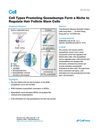
July 2020 in “Cell”
77 citations
,
July 2020 in “Cell” Muscles and nerves that cause goosebumps also help control hair growth.