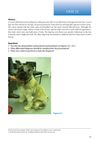
 May 2019 in “Small Animal Dermatology”
 The dog had sebaceous adenitis, treated with ciclosporin, leading to some hair regrowth.
 122 citations
,
June 2002 in “Genes & Development”
122 citations
,
June 2002 in “Genes & Development” Keratin 17 is crucial for early hair strength and cell survival.
2 citations
,
March 1997 in “Veterinary Dermatology” The Doberman had multiple skin tumors, but it's unclear if color dilution increased the risk.
 34 citations
,
March 2003 in “Veterinary Dermatology”
34 citations
,
March 2003 in “Veterinary Dermatology” Most dogs with alopecia had higher than normal levels of certain hormones, but hair loss might not always be linked to these hormone changes.
January 2023 in “Journal of Veterinary and Animal Sciences” Dogs with skin lesions often have blood abnormalities and damaged hair.
13 citations
,
March 2000 in “Veterinary Dermatology” Dogs have a skin condition like human pseudopelade, causing hair loss that doesn't improve with treatment.
33 citations
,
September 1987 in “American Journal of Medical Genetics” Uncombable hair is inherited dominantly with complete penetrance.
2 citations
,
March 2010 in “European journal of dermatology/EJD. European journal of dermatology” A young Caucasian girl had both woolly hair and alopecia areata, which is rare.
 November 2023 in “Jurnal Ilmu Kesehatan Hewan”
 The dog's condition improved after 21 days of treatment.
2 citations
,
August 2004 in “Veterinary Dermatology” A dog with a hereditary skin condition causing blisters and hair loss survived for a year.
8 citations
,
January 1984 in “Veterinary Pathology” Toy poodles may develop harmless mineral deposits around hair follicles as they age.
 2 citations
,
December 2013 in “Veterinary dermatology”
2 citations
,
December 2013 in “Veterinary dermatology” Three dogs with a rare skin condition improved with treatment.
 December 2018 in “Journal of Advances in VetBio Science and Techniques”
 Low testosterone might be a common cause of hair loss in male dogs.
 January 2014 in “HAL (Le Centre pour la Communication Scientifique Directe)”
 Sex hormones affect dog skin conditions, but more data is needed.
 85 citations
,
February 1989 in “Journal of The American Academy of Dermatology”
85 citations
,
February 1989 in “Journal of The American Academy of Dermatology” Children with loose anagen hair have easily pluckable hair due to root sheath problems, and it might improve without treatment.
15 citations
,
October 1976 in “Biochemical Journal” Naked-mouse hair lacks certain proteins and has less soluble fibril.
June 2018 in “Journal of the American Veterinary Medical Association” Three related Persian cats have a rare, likely hereditary skin condition causing hair loss and poor coat quality, with limited treatment options.
2 citations
,
September 2002 in “Pediatric Dermatology” Newborns with hair loss and red, scaly skin need thorough skin checks to find the cause and treatment.
 September 2019 in “Journal of Investigative Dermatology”
 Researchers successfully used nude mice to study human hair growth, which could help with future hair research.
 January 2025 in “Pakistan Veterinary Journal”
 Microneedling may help regrow hair in dogs with certain types of alopecia.
January 2026 in “Preprints.org” Four new FGF5 gene variants cause long hair in dogs.
 March 2021 in “bioRxiv (Cold Spring Harbor Laboratory)”
 Removing a specific gene in certain skin cells causes hair loss on the body by disrupting normal hair development.
 22 citations
,
September 2014 in “Veterinary Dermatology”
22 citations
,
September 2014 in “Veterinary Dermatology” Low-level laser therapy seems to help dogs with noninflammatory alopecia grow hair back.
1 citations
,
January 2015 in “Indian Journal of Veterinary Pathology” Two dogs had different types of hair follicle tumors.
 4 citations
,
January 2010 in “Journal of Veterinary Medical Science”
4 citations
,
January 2010 in “Journal of Veterinary Medical Science” The analyses helped identify different skin diseases in the two dogs.
7 citations
,
September 2006 in “Molecular Carcinogenesis” Homozygous K5Cre transgenic mice have wavy hair and faster cancer progression.
June 2011 in “European Journal of Pediatric Dermatology” An 11-year-old girl with hair thinning was diagnosed with monilethrix and early androgenetic alopecia.
36 citations
,
July 1996 in “The journal of investigative dermatology/Journal of investigative dermatology” Mice with the 'lanceolate hair' mutation have abnormal hair and skin similar to human Netherton's syndrome.
 January 2023 in “Pesquisa Veterinária Brasileira”
 A KRT71 mutation in Hereford cattle in Uruguay causes thin, curly hair and scaly skin.
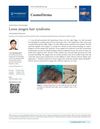 February 2023 in “Cosmoderma”
 Loose anagen hair syndrome causes easily shed hair but usually improves with time.