 3 citations
,
January 2018 in “Dermatology”
3 citations
,
January 2018 in “Dermatology” Scalp biopsies help tell apart androgenetic alopecia and alopecia areata.
 38 citations
,
June 2003 in “Journal of Investigative Dermatology Symposium Proceedings”
38 citations
,
June 2003 in “Journal of Investigative Dermatology Symposium Proceedings” Accurate clinical, histological, and genetic methods are key for understanding and treating hair disorders.
 April 2026 in “Brazilian Journal of Hair Health”
 Perifollicular fibrosis hinders hair regrowth in androgenetic alopecia, and new treatments targeting fibrosis are needed.
 December 2025 in “Journal of Pakistan Association of Dermatologists”
 Stopping afatinib improved a rare scalp condition in a patient.
30 citations
,
August 2005 in “British journal of dermatology/British journal of dermatology, Supplement” A specific gene mutation causes hair loss and potential eye issues, even if vision seems normal.
1 citations
,
April 2021 in “Clinical, Cosmetic and Investigational Dermatology” Conflicting findings in androgenic alopecia are likely due to biopsy location, hair diameter diversity, and hair follicle miniaturization.
A new genetic mutation was found causing hair and eye issues in a boy.
 37 citations
,
April 2019 in “Journal of The American Academy of Dermatology”
37 citations
,
April 2019 in “Journal of The American Academy of Dermatology” Some treatments like intralesional steroids and 5α-reductase inhibitors are effective for frontal fibrosing alopecia, but more research is needed.
 April 2016 in “Actas Dermo-Sifiliográficas”
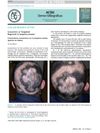
 The document concludes that a unique target-like hair regrowth pattern in alopecia areata may be more common than thought and should be properly identified.
29 citations
,
May 2016 in “Journal of the American Academy of Dermatology” Patients with alopecia areata might have a lower risk of stroke and possibly heart attack.
January 2026 in “International Journal of Dermatology” Treatment improved scalp conditions and hair loss with no recurrence after 1 year.
6 citations
,
January 2004 in “Der Hautarzt” 14 citations
,
October 2010 in “Dermatologic Surgery” Fat transplantation can help regrow hair lost due to scleroderma.
 January 1996 in “Springer eBooks”
 Balding doesn't reduce the number of hair follicles, it just makes them smaller.
 11 citations
,
May 1998 in “Child's nervous system”
11 citations
,
May 1998 in “Child's nervous system” A baby had a rare condition with abnormal blood vessels in the brain and unusual skin and hair growth, possibly a new syndrome.
 August 2020 in “Acta medica Iranica”
 Bumps on the face may be an early sign of a type of hair loss called frontal fibrosing alopecia.
January 2025 in “Indian Journal of Paediatric Dermatology” A 4-year-old had a rare type of hair loss that may have a good outcome.
November 2024 in “Journal of Investigative Dermatology” Hair evaluation is crucial for early diagnosis and management of ARCI, as hair loss often indicates severity.
June 2026 in “Frontiers in Medicine” The excimer laser is a promising and safe treatment for frontal fibrosing alopecia.
1 citations
,
January 2018 in “Indian dermatology online journal” Early diagnosis and genetic evaluation of ADULT syndrome are crucial to reduce stress and medical costs.
February 2025 in “Brazilian Journal of Hair Health” Multiparametric ultrasound is a useful non-invasive tool for assessing scalp conditions in alopecia areata patients.
 1 citations
,
January 2020 in “Skin appendage disorders”
1 citations
,
January 2020 in “Skin appendage disorders” Finasteride may help treat frontal fibrosing alopecia, but more research is needed.
November 2025 in “Pediatric Dermatology” The boy's hair fully regrew after treatment for a rare hair loss condition.
 July 2023 in “Deleted Journal”
 Alopecia areata is the most common type of baldness treated with corticosteroids and minoxidil.
 7 citations
,
January 2011 in “Veterinary Pathology”
7 citations
,
January 2011 in “Veterinary Pathology” A horse with severe hair loss was diagnosed with alopecia areata and a yeast infection.
 64 citations
,
June 2009 in “Journal of The American Academy of Dermatology”
64 citations
,
June 2009 in “Journal of The American Academy of Dermatology” Oral dutasteride can potentially treat frontal fibrosing alopecia in postmenopausal women, with some patients showing disease arrest and hair regrowth.
 15 citations
,
December 2017 in “Journal of The European Academy of Dermatology and Venereology”
15 citations
,
December 2017 in “Journal of The European Academy of Dermatology and Venereology” Frontal fibrosing alopecia and androgenetic alopecia may be related, with a possible shared cause.
 September 2021 in “CRC Press eBooks”
 Alopecia areata incognita causes sudden hair thinning, responds well to steroids, and is more common in those with genetic hair loss conditions.
 January 2025 in “TURKDERM”
 Alopecia areata incognito in children can be effectively treated with triamcinolone acetonide and supplements, leading to full hair regrowth.
 1 citations
,
September 2021 in “The Journal of Dermatology”
1 citations
,
September 2021 in “The Journal of Dermatology” Japanese cases of fibrosing alopecia show a unique age and hair loss pattern, possibly due to racial differences.