 1 citations
,
March 2021 in “Skin health and disease”
1 citations
,
March 2021 in “Skin health and disease” Better hair loss models needed for research.
 1 citations
,
January 2020 in “ARC Journal of Dermatology”
1 citations
,
January 2020 in “ARC Journal of Dermatology” Oral zinc and Nd:YAG laser therapy effectively treated primary cicatricial alopecia in five patients.
 1 citations
,
October 2013 in “Expert Review of Dermatology”
1 citations
,
October 2013 in “Expert Review of Dermatology” Diagnosing alopecia areata is challenging and requires careful examination and various tests to distinguish it from other hair loss types.
 1 citations
,
January 2006 in “Elsevier eBooks”
1 citations
,
January 2006 in “Elsevier eBooks” Cats lose fur due to various reasons, including allergies, infections, genetics, hormones, diet, cancer, stress, and some conditions are treatable while others are not.
 1 citations
,
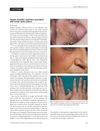
February 2004 in “Journal of The European Academy of Dermatology and Venereology”
1 citations
,
February 2004 in “Journal of The European Academy of Dermatology and Venereology” Hair loss improved with treatment and successful transplant.
 1 citations
,
May 1999 in “Journal of The European Academy of Dermatology and Venereology”
1 citations
,
May 1999 in “Journal of The European Academy of Dermatology and Venereology” Treat hair loss with medicine, continue indefinitely.
 1 citations
,
January 1996 in “Springer eBooks”
1 citations
,
January 1996 in “Springer eBooks” Diet affects baldness; eat balanced, less animal fat, more fruits, vegetables, and cereals.

Current treatments for androgenetic alopecia have limitations, and personalized approaches and new methods are needed for better results.
 April 2026 in “International Journal of Homoeopathic Sciences”
 Homeopathic treatment improved baldness in a young man.
 February 2026 in “Humanities & Social Sciences Reviews”
 Mesotherapy might help with hair growth in androgenic alopecia, but more research is needed.
 January 2026 in “Frontiers in Digital Health”
 Motion-graphic videos improve patient understanding more than verbal explanations for platelet-rich plasma therapy.
 January 2026 in “International Journal of All Research Education & Scientific Methods”
 Alopecia is caused by various factors, and new treatments like gene editing and regenerative medicine offer hope for personalized hair regrowth solutions.
 December 2025 in “ADMET & DMPK”
 Personalized treatments for hair loss focus on specific genetic and biological pathways.
 October 2025 in “Asian Journal of Oral Health and Allied Sciences”
 Autologous growth factor concentrate therapy shows promise for treating early-stage hair loss safely and effectively.
 October 2025 in “Dermatology Practical & Conceptual”
 ChatGPT 4.0 and Gemini 1.5 Flash are effective for educating patients about androgenetic alopecia, while Deepseek R1 is less reliable.
 October 2025 in “Clinical Cosmetic and Investigational Dermatology”
 Experts created guidelines for treating hair loss in Egypt, focusing on personalized care.
 September 2025 in “Journal of Dermatology Research Reviews & Reports”
 Rigenera® effectively improves hair condition in Androgenetic Alopecia, and HairMetrix® tracks progress well.
 September 2025 in “Turkish Journal of Dermatology”
 Oxidative stress may play a role in alopecia areata, but depression and suicide risk are similar to healthy peers.
 June 2025 in “Clinical Cosmetic and Investigational Dermatology”
 There's an urgent need for better treatments for hair loss caused by radiation therapy.
New therapies like JAK inhibitors, PRP, and stem cell treatments show promise for better alopecia management.
Herbal therapies for alopecia show promise but need more research for safety and effectiveness.
 August 2024 in “Saudi Journal of Medical and Pharmaceutical Sciences”
 PRP combined with minoxidil is the most effective treatment for hair growth in androgenetic alopecia.
The new gel for hair loss is safe, effective, and reduces side effects.
 March 2024 in “Brazilian Journal of Veterinary Pathology”
 The dog likely has a canine alopecia X-like disorder.
 February 2024 in “International Journal of Research Publication and Reviews”
 Ayurvedic treatment can effectively reduce symptoms of alopecia areata.
 January 2024 in “Brazilian journal of veterinary pathology”
 The dog likely has a condition similar to Canine alopecia X.
 November 2023 in “bioRxiv (Cold Spring Harbor Laboratory)”
 Disrupted cholesterol production impairs hair follicle stem cells, leading to hair loss.
 June 2023 in “Buletin de psihiatrie integrativă”
 Alopecia causes significant emotional distress and psychological issues, requiring combined skin and mental health treatment.
 January 2023 in “European endocrinology”
 People with alopecia have a higher risk of thyroid cancer.
 July 2021 in “International journal of homoeopathic sciences”
 Homeopathic treatment can help manage alopecia areata in children.