June 2025 in “Problems of Cryobiology and Cryomedicine” Low temperatures don't harm hyaluronic acid's healing abilities.

Hyaluronic acid in shampoo penetrated hair well, reduced frizz, and improved hair strength and moisture.
5 citations
,
November 2025 in “Biomolecules” Hyaluronic acid hydrates and benefits skin and hair safely.
10 citations
,
August 2021 in “Cosmetics” The best shampoo formula used 1% high-weight hyaluronic acid, 10% acidic sophorolipid, and 1% salt for effective hair conditioning and cleansing without sulfates or silicones.
 April 2023 in “Journal of Investigative Dermatology”
 Human TMEM2 does not break down hyaluronan but helps control its metabolism.
 140 citations
,
December 2017 in “Journal of Controlled Release”
140 citations
,
December 2017 in “Journal of Controlled Release” Microneedles improve drug delivery in various body parts, are safe and painless, and show promise in cosmetology, vaccination, insulin delivery, and other medical applications.
2 citations
,
July 2025 in “Biopolymers” Eggshells can be used to sustainably and cheaply produce important compounds like glycosaminoglycans.
 February 2026 in “Frontiers in Medicine”
 Combining hyaluronic acid and oxygen may help improve urinary incontinence in menopausal women.
 1 citations
,
May 2017 in “Asian journal of medical sciences”
1 citations
,
May 2017 in “Asian journal of medical sciences” The dietary supplement significantly improved skin, nails, and hair in older adults.

Sunekos® effectively improves labia majora appearance and is well-tolerated.
 42 citations
,
February 2017 in “Dermatologic surgery”
42 citations
,
February 2017 in “Dermatologic surgery” VYC-15L is a safe and effective lip filler that lasts up to a year.
 2 citations
,
January 2019 in “Biomecánica”
2 citations
,
January 2019 in “Biomecánica” Hyaluronic acid and versican are important for skin healing and hair growth and might help in regenerative medicine.
3 citations
,
May 2024 in “Biomimetics” Bioactive biopolymers can improve diabetic wound healing by enhancing tissue regeneration.
9 citations
,
March 2015 in “The journal of investigative dermatology/Journal of investigative dermatology” The symposium concluded that understanding the molecular mechanisms of skin aging could lead to better clinical practices and treatments.
 July 2026 in “Quality in Sport”
 Athletes may experience reduced effectiveness of aesthetic treatments due to high metabolism and stress, and often have body image disorders.
 2 citations
,
June 2023 in “Pharmaceutics”
2 citations
,
June 2023 in “Pharmaceutics” Nanofiber scaffolds help wounds heal by delivering drugs directly to the injury site.
2 citations
,
August 2023 in “Aesthetic Surgery Journal” RHA fillers are effective and safe for treating nasolabial folds in people of color.

Collagen supplements may improve skin, hair, and nails, but more research is needed.
September 2023 in “Pharmaceutics” The new face mask with Eflornithine can potentially reduce facial hair growth and moisturize skin.
 May 2023 in “Materials research foundations”
 Nanomaterials like silver and gold can improve wound healing but need more research for safety.
21 citations
,
July 2018 in “International Journal of Molecular Sciences” Foxn1 is crucial for skin development and healing, and altering its expression may aid regenerative medicine.
2 citations
,
August 2025 in “Pharmaceutics” PN hydrates skin; PDRN heals and regenerates skin and hair.
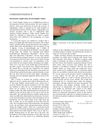 May 2002 in “British Journal of Dermatology”
 A pregnant woman's skin condition improved after giving birth, possibly due to high estrogen levels during pregnancy.
7 citations
,
July 2023 in “International Journal of Molecular Sciences” Hyaluronic acid reduces cell damage from DMSO in preserved human cells.
 39 citations
,
August 2022 in “Cell Death and Disease”
39 citations
,
August 2022 in “Cell Death and Disease” DA-MeHA hydrogel effectively aids stem cell-based skin regeneration.
 33 citations
,
May 2019 in “Aesthetic Plastic Surgery”
33 citations
,
May 2019 in “Aesthetic Plastic Surgery” Using hyaluronic acid fillers and laser together is generally safe and effective for facial rejuvenation, but careful planning is needed.
 March 2025 in “Asian Journal of Beauty and Cosmetology”
 Microspicule cosmetics improve skin whitening, pores, and barrier strength.
 May 2026 in “Iranian journal of pharmaceutical research”
 HAMA hydrogels speed up skin wound healing by reducing inflammation and boosting collagen production.
 November 2023 in “Global journal of medical research”
 Understanding the properties of hyaluronic acid helps improve its use in facial aging treatments.
 24 citations
,
July 2022 in “Journal of Applied Pharmaceutical Science”
24 citations
,
July 2022 in “Journal of Applied Pharmaceutical Science” Optimizing production conditions can improve hyaluronic acid's effectiveness and cost in cosmetics and therapy.