 25 citations
,
December 2017 in “Facial Plastic Surgery”
25 citations
,
December 2017 in “Facial Plastic Surgery” Combination therapy with steroids and pimecrolimus improved or stabilized hair loss in most patients with Frontal Fibrosing Alopecia, who also had a high rate of hypothyroidism.
 12 citations
,
January 2021 in “Drugs in R&D”
12 citations
,
January 2021 in “Drugs in R&D” Isotretinoin is effective for treating dissecting cellulitis, but recurrence is common.
 2 citations
,
January 2005 in “The Japanese Journal of Veterinary Dermatology”
2 citations
,
January 2005 in “The Japanese Journal of Veterinary Dermatology” Abnormal adrenal function is not the cause of alopecia in Pomeranians; it may be due to breed-specific hormones.
 March 2026 in “Frontiers in Cell and Developmental Biology”
 Autologous cell-based therapies, especially SVF, effectively and safely improve atrophic acne scars.
 May 2017 in “Journal of The American Academy of Dermatology”
 Certain factors like patchy hair loss at the back of the head, being female, and younger age at diagnosis can lead to a worse outcome for alopecia areata.
 December 2025 in “Bolu Abant Izzet Baysal Universitesi Tip Fakultesi Abant Tip Dergisi”
 Minoxidil did not significantly affect epilepsy in rats.
 100 citations
,
July 2018 in “Journal of The American Academy of Dermatology”
100 citations
,
July 2018 in “Journal of The American Academy of Dermatology” People with alopecia areata often have other health issues like skin diseases, metabolic syndrome, stomach infections, lupus, anemia, thyroid problems, mental health issues, vitamin D deficiency, and hearing and eye problems.
 78 citations
,
June 2022 in “Infection”
78 citations
,
June 2022 in “Infection” Many COVID-19 survivors experience long-term symptoms like fatigue and sleep issues, needing ongoing medical support.
 43 citations
,
November 2019 in “PLoS ONE”
43 citations
,
November 2019 in “PLoS ONE” MED23 and GNAQ genes are crucial for chicken feather color.
 34 citations
,
February 2013 in “Journal of The American Academy of Dermatology”
34 citations
,
February 2013 in “Journal of The American Academy of Dermatology” Vertex pattern hair loss linked to higher prostate cancer risk.
 24 citations
,
October 2016 in “Oncotarget”
24 citations
,
October 2016 in “Oncotarget” Finasteride has a higher risk of reproductive side effects than minoxidil.
 23 citations
,
January 2005 in “Nihon Ishinkin Gakkai zasshi”
23 citations
,
January 2005 in “Nihon Ishinkin Gakkai zasshi” Nested PCR can reliably identify fungal infections when traditional methods fail.
 21 citations
,
June 2017 in “Journal of The American Academy of Dermatology”
21 citations
,
June 2017 in “Journal of The American Academy of Dermatology” Topical DPCP is somewhat effective for hair loss in alopecia areata, but more research is needed.
 21 citations
,
January 2010 in “International Journal of Trichology”
21 citations
,
January 2010 in “International Journal of Trichology” TrichoScan often makes mistakes and needs improvement for correct hair growth analysis.
 18 citations
,
June 2017 in “Journal of The American Academy of Dermatology”
18 citations
,
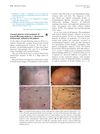
June 2017 in “Journal of The American Academy of Dermatology” Trichoscopy helps diagnose frontal fibrosing alopecia, even with unusual patterns.
 15 citations
,
May 2020 in “Journal of Dermatological Treatment”
15 citations
,
May 2020 in “Journal of Dermatological Treatment” PRP treatment increases hair density and thickness in androgenetic alopecia by 79%.
 10 citations
,
March 2022 in “Communications biology”
10 citations
,
March 2022 in “Communications biology” A new non-invasive method can analyze skin mRNA to understand skin diseases better.
 4 citations
,
December 2021 in “Archivio italiano di urologia andrologia”
4 citations
,
December 2021 in “Archivio italiano di urologia andrologia” Certain drugs, especially antiandrogens and spironolactone, significantly increase the risk of gynecomastia.
 4 citations
,
January 2013 in “Acta dermato-venereologica”
4 citations
,
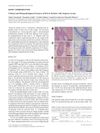
January 2013 in “Acta dermato-venereologica” Some patients with Alopecia Areata experience itch due to immune cells and enzymes that cause itching.
 2 citations
,
September 2023 in “JMIR. Journal of medical internet research/Journal of medical internet research”
2 citations
,
September 2023 in “JMIR. Journal of medical internet research/Journal of medical internet research” Machine learning can predict symptoms and quality of life in chronic skin disease patients using smartphone app data, and shows that app use varies with patient characteristics.
 2 citations
,
May 2023 in “Al Mustansiriyah Journal of Pharmaceutical Sciences”
2 citations
,
May 2023 in “Al Mustansiriyah Journal of Pharmaceutical Sciences” Pterostilbene significantly reduces prostate enlargement and has strong antioxidant effects.
 2 citations
,
April 2019 in “Acta medica Philippina/Acta Medica Philippina”
2 citations
,
April 2019 in “Acta medica Philippina/Acta Medica Philippina” People with alopecia areata often have lower vitamin D levels than healthy people.
 1 citations
,
December 2013 in “Journal of Evolution of Medical and Dental Sciences”
1 citations
,
December 2013 in “Journal of Evolution of Medical and Dental Sciences” Alopecia areata causes patchy hair loss due to unknown factors, affecting all ages and genders.
 May 2025 in “Journal of Food and Nutrition Research”
 Black wolfberry ferment may help regrow hair in cases of androgenetic alopecia.
 December 2024 in “Texila international journal of public health”
 Trichoscopy effectively diagnoses and monitors cicatricial alopecias, reducing the need for biopsies.
Toxoplasma gondii infection may increase testosterone levels in males.
 December 2023 in “Asian journal of medical sciences”
 Psoriasis is the most common cause of erythroderma, and proper medical follow-up is crucial.
 November 2022 in “Research Square (Research Square)”
 Using facial sunscreen and moisturizer may increase the risk of frontal fibrosing alopecia.
 35 citations
,
November 2010 in “Journal of Cutaneous Pathology”
35 citations
,
November 2010 in “Journal of Cutaneous Pathology” Dilated follicular infundibula and increased catagen/telogen follicles are key indicators for diagnosing alopecia areata.
 42 citations
,
June 2009 in “Journal of Cosmetic Dermatology”
42 citations
,
June 2009 in “Journal of Cosmetic Dermatology” Hair loss in males involves inflammation, collagen buildup, and follicle damage, with severity increasing with age and baldness duration.