 June 2025 in “International Journal of Nephrology and Renovascular Disease”
 PLA2R1 overexpression harms kidney cells by stopping their growth cycle.

Recognizing and fully removing giant pilomatrixomas is crucial to prevent them from becoming cancerous.
 May 2025 in “Scientific Reports”
 Geraniol effectively treats scabies and is safe for use.

Brunsting-Perry pemphigoid can cause scarring hair loss and may be underdiagnosed.
 March 2025 in “Forum Dermatologicum”
 Trichoscopy is crucial for accurately diagnosing fibrosing alopecia in pattern distribution.
 March 2025 in “MINAR International Journal of Applied Sciences and Technology”
 Certain genes can predict how well breast cancer patients respond to chemotherapy.
 February 2025 in “Physician s Journal of Medicine”
 Recognizing skin symptoms can help diagnose and manage COVID-19.
 January 2025 in “Annals of Clinical Reviews & Case Reports”
 Early diagnosis and a multidisciplinary approach are key to managing Sjogren's Disease symptoms.
 January 2025 in “TURKDERM”
 Alopecia areata incognito in children can be effectively treated with triamcinolone acetonide and supplements, leading to full hair regrowth.
 January 2025 in “International Journal of Veterinary Science”
 Hibiscus leaf ointment helps hair growth and reduces UV skin damage in rats.
 December 2024 in “Cureus”
 Tirzepatide improved symptoms and hair regrowth in a man with folliculitis decalvans.
 November 2024 in “Journal of Translational Internal Medicine”
 Exosomes from stem cells help hair regrowth by activating a specific signaling pathway.
 September 2024 in “Archives of Medical Science”
 Alopecia areata is linked to immune system differences, with specific biomarkers like CXCL9 and CXCL10 being key for diagnosis and potential treatment targets.
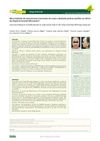 June 2024 in “BioSCIENCE”
 Microinfusion of methotrexate can help treat frontal fibrosing alopecia.
 April 2024 in “bioRxiv (Cold Spring Harbor Laboratory)”
 GRK2 is essential for healthy hair follicle function, and its absence can lead to hair loss and cysts.
 January 2024 in “La Ciencia al Servicio de la Salud y Nutrición”
 Spironolactone is effective and safe for treating hair loss, excessive hair growth, and acne.
 October 2023 in “International journal of biology, pharmacy and allied sciences”
 Henna helps wounds heal faster and better.
 June 2023 in “Benha Journal of Applied Sciences”
 Targeting IL-17 could help treat pattern hair loss.
 June 2023 in “Medical records-international medical journal”
 Decreased IGF-1R expression may contribute to sacrococcygeal pilonidal sinus development.

Non-invasive methods can effectively diagnose and manage alopecia areata.
 May 2023 in “Frontiers in veterinary science”
 A young tapir with a rare skin condition improved after treatment with wound cleaning, cream, and oral medication.
 January 2023 in “Pakistan Armed Forces Medical Journal”
  January 2023 in “European endocrinology”
 People with alopecia have a higher risk of thyroid cancer.
 January 2023 in “Frontiers research topics”
 Skin conditions can cause significant psychological distress, so addressing mental health is crucial for improving quality of life.
 December 2022 in “Exploratory animal and medical research”
 The study concluded that Acral lick dermatitis is most common in young male Labrador retrievers, often caused by psychological factors, and leads to skin inflammation and stress-related blood changes.
 April 2021 in “Journal of Law Public Policies and Human Sciences”
 The described COVID-19 treatments seemed effective in influencing the disease's course, duration, and severity.
 October 2019 in “Asian Journal of Research in Animal and Veterinary Sciences”
 Young horses are more prone to a fungal infection causing hair loss and skin redness.
 July 2019 in “Acta Scientiae Veterinariae”
 Removing a testicular tumor in a dog reduced its aggressive behavior and skin problems.

Optical Coherence Tomography has potential in diagnosing hair loss and monitoring blood clotting, and could be improved for deeper tissue observation and better hair loss understanding.
 December 2018 in “Neuroradiology”
 MRI helps distinguish between pituitary adenomas and craniopharyngiomas, guides treatment for pediatric CNS tumors, and assesses rhinocerebral mucormycosis with a high mortality rate in transplanted patients.