 63 citations
,
October 2011 in “Archives of Dermatology”
63 citations
,
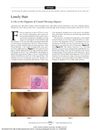
October 2011 in “Archives of Dermatology” Isolated long hairs at the original hairline can help diagnose Frontal Fibrosing Alopecia.
10 citations
,
September 2019 in “Frontiers in Veterinary Science” Older steers have higher hair cortisol levels than younger steers.
June 2026 in “Clinical and Experimental Dermatology” Stabilization of fibrosing alopecia may not mean effective disease control.
2 citations
,
October 2015 in “Mikrobiyoloji bülteni” A woman in Turkey with a scalp infection was cured using oral and topical antifungals after a recurrence due to not following the treatment properly.
34 citations
,
August 2005 in “Veterinary Dermatology” Goats may need lifelong zinc supplements due to hereditary zinc absorption issues.
 49 citations
,
January 2003 in “Clinical and Experimental Dermatology”
49 citations
,
January 2003 in “Clinical and Experimental Dermatology” The document concludes that post-menopausal frontal fibrosing alopecia is a poorly understood condition that does not respond well to common treatments.
5 citations
,
August 2002 in “Veterinary Dermatology” Combining terbinafine and mitotane effectively treated a schnauzer's skin infection and hormone disorder.
 January 2025 in “Open Life Sciences”
 Overexpression of the HE4 gene in mice causes eye inflammation and cloudiness.
January 2022 in “Investigative News in Education (Universidad de Costa Rica)” No consensus was reached on diagnosing and treating lichen planopilaris and frontal fibrosing alopecia.
13 citations
,
January 2002 in “Clinics in dermatology” A mushroom extract might reduce hair loss and liver damage caused by certain chemotherapy drugs in animals.
September 1999 in “Hair transplant forum international” 1 citations
,
November 2004 in “Hair transplant forum international” Hair restoration surgeons must understand the differences between CTE and FPHL for accurate diagnosis and treatment.
1 citations
,
November 2025 in “Science Advances” Two gene variants cause white spots in cattle.
 May 2007 in “Dermatologic Therapy”
 Hair care practices like using relaxers and tight braiding can lead to permanent hair loss in black women.
Alopecia treatment takes time, needs specific plans, and may include drugs or hair transplants.
 April 2018 in “Journal of Investigative Dermatology”
 Macrophages are more involved in Lichen planopilaris than in Frontal fibrosing alopecia.
 32 citations
,
August 2015 in “Anais Brasileiros de Dermatologia”
32 citations
,
August 2015 in “Anais Brasileiros de Dermatologia” Black women's unique hair characteristics and styling practices can lead to specific scalp conditions, which require early diagnosis and appropriate treatment.
 155 citations
,
September 2008 in “British journal of dermatology/British journal of dermatology, Supplement”
155 citations
,
September 2008 in “British journal of dermatology/British journal of dermatology, Supplement” FFA is more common in postmenopausal women, can affect younger women, and may stabilize over time.
September 2024 in “JEADV Clinical Practice” Alopecia areata significantly affects patients' lives, causing physical, psychological, social, and financial challenges.
 5 citations
,
January 2015 in “Current problems in dermatology”
5 citations
,
January 2015 in “Current problems in dermatology” The document provides a practical guide for diagnosing and treating various types of hair loss.
 16 citations
,
February 2020 in “The Laryngoscope”
16 citations
,
February 2020 in “The Laryngoscope” Hair transplants can work for frontal fibrosing alopecia and lichen planopilaris, but results are less favorable and the conditions can develop after the transplant.
7 citations
,
August 2024 in “JAAD reviews.” Minoxidil can cause unwanted hair growth, so personalized care and support are important.
 12 citations
,
April 2020 in “Facial Plastic Surgery Clinics of North America”
12 citations
,
April 2020 in “Facial Plastic Surgery Clinics of North America” Hair transplant complications are rare with good planning and technique, but risks include infection, bleeding, and patient dissatisfaction.
 February 2026 in “Editora Pasteur eBooks”
 An integrative approach combining medical, nutritional, and lifestyle changes effectively manages female pattern hair loss.
13 citations
,
August 2013 in “International Journal of Dermatology” Frontal fibrosing alopecia can affect African men and may be underdiagnosed.
 October 2024 in “SPIRE - Sciences Po Institutional REpository”
 Glypicans help hair follicle stem cells differentiate by interacting with specific receptors, influencing hair growth.
 January 2019 in “Elsevier eBooks”
 Different hair disorders have specific treatments and outcomes, with some resolving on their own and others requiring medication or emotional support.
July 2020 in “DOAJ (DOAJ: Directory of Open Access Journals)” Excessive sun protection might contribute to frontal fibrosing alopecia.
 July 2015 in “Journal of the Dermatology Nurses’ Association”
 A 66-year-old woman experienced hair loss due to Frontal Fibrosing Alopecia, a condition with no consistently effective treatment, but it usually stabilizes over time. More research is needed for better understanding and treatment options.
 October 2020 in “The Egyptian Journal of Hospital Medicine”
 Hair and scalp disorders are common in children and require early treatment due to their effect on physical and mental development.