 21 citations
,
August 2016 in “Translational Andrology and Urology”
21 citations
,
August 2016 in “Translational Andrology and Urology” Delayed ejaculation is a complex issue caused by psychological, biological, and lifestyle factors, requiring a holistic treatment approach.
 21 citations
,
July 2014 in “Clinics in Dermatology”
21 citations
,
July 2014 in “Clinics in Dermatology” Hormonal contraceptives can help treat acne by affecting sebum production and androgen levels.
 4 citations
,
May 2021 in “Dermatologic Clinics”
4 citations
,
May 2021 in “Dermatologic Clinics” The conclusion is that hair loss in women is caused by a mix of hormonal, environmental, and genetic factors, and treatments should target these various causes.
 4 citations
,
January 2011 in “Dermatology”
4 citations
,
January 2011 in “Dermatology” A patient grew extra hair on their ears after treatment for testicular cancer, possibly due to hormonal changes or genetics.
 3 citations
,
May 2018 in “InTech eBooks”
3 citations
,
May 2018 in “InTech eBooks” Animal models, especially mice, are essential for advancing hair loss research and treatment.
1 citations
,
January 2022 in “Springer eBooks”  1 citations
,
May 2016 in “The Nurse Practitioner”
1 citations
,
May 2016 in “The Nurse Practitioner” Treating PCOS is complex, involving medication like metformin and lifestyle changes, and requires attention to mental health due to high depression and anxiety rates.
 April 2026 in “AMEI's Current Trends in Diagnosis & Treatment”
 PCOS-related infertility is managed with lifestyle changes and medications.
 March 2026 in “IP Indian Journal of Clinical and Experimental Dermatology”
 Acne in women may indicate insulin resistance.
 November 2025 in “Frontiers in Endocrinology”
 Apigenin and ellagic acid may help manage PCOS symptoms.
 October 2025 in “International Journal of Science and Research (IJSR)”
 Lifestyle changes and alternative therapies can help manage Polycystic Ovarian Disease.
 July 2025 in “Journal of Pharmacognosy and Phytochemistry”
 Plant-based therapies, like Aloe Vera and Cinnamon, may help manage PCOS symptoms with fewer side effects.
 April 2025 in “Medical Science”
 The ketogenic diet may help manage PCOS symptoms but needs more research for long-term effects.
 February 2025 in “Journal of Neonatal Surgery”
 Combining antidiabetic drugs, hormonal therapies, and lifestyle changes can improve health in women with PCOS.
 January 2020 in “Asian Journal of Basic Science & Research”
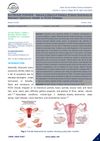
 Nutrease powder, a high-protein, low-carb supplement, can help manage Polycystic Ovary Syndrome symptoms, regulate periods, improve ovulation, and restore fertility.
 January 2019 in “ARC journal of pharmaceutical sciences”
 Acne can be managed with various treatments and requires psychological support due to its emotional impact.
 October 2017 in “Springer eBooks”
 A thorough initial check-up is essential before sperm banking to ensure the best chance of preserving good quality sperm.
 May 2017 in “bioRxiv (Cold Spring Harbor Laboratory)”
 The peach gene pCTG134 helps control the interaction between auxin and ethylene hormones during fruit ripening.
January 2016 in “Dermatology Online Journal” Hormonal therapy changes skin and hair in transgender patients, who need better researched dermatologic care.
 41 citations
,
June 2016 in “Reviews in endocrine and metabolic disorders”
41 citations
,
June 2016 in “Reviews in endocrine and metabolic disorders” Hidradenitis suppurativa may be related to hormones and patients often have metabolic disorders; more research is needed to understand this connection.

research Acne
2 citations
,
May 2011 in “Harper's Textbook of Pediatric Dermatology” Acne is a common skin condition linked to diet, hormones, and genetics, and early treatment can prevent scarring.
 January 2021 in “Victoria University Research Repository (Victoria University)”
 High-intensity interval training (HIIT) is better than moderate-intensity continuous training (MICT) for improving health in overweight women with PCOS.
 1265 citations
,
October 2013 in “The Journal of Clinical Endocrinology and Metabolism”
1265 citations
,
October 2013 in “The Journal of Clinical Endocrinology and Metabolism” The guideline suggests using specific criteria to diagnose PCOS, recommends various treatments for its symptoms, and advises screening for related health issues.
 667 citations
,
May 2008 in “Genes & Development”
667 citations
,
May 2008 in “Genes & Development” Histone demethylases can change gene expression and may be linked to diseases like cancer.
 403 citations
,
November 2005 in “Journal of Endocrinology”
403 citations
,
November 2005 in “Journal of Endocrinology” Dehydroepiandrosterone (DHEA) is a prohormone important for producing sex steroids and has potential health benefits.
 339 citations
,
February 2014 in “Journal of The American Academy of Dermatology”
339 citations
,
February 2014 in “Journal of The American Academy of Dermatology” Most patients with frontal fibrosing alopecia are postmenopausal women, and treatments like finasteride and dutasteride can improve or stabilize the condition.
 305 citations
,
February 2007 in “Hormone and metabolic research”
305 citations
,
February 2007 in “Hormone and metabolic research” Human skin makes sexual hormones that affect hair growth, skin health, and healing; too much can cause acne and hair loss, while treatments can manage these conditions.
 277 citations
,
July 2011 in “Journal of the Dermatology Nurses’ Association”
277 citations
,
July 2011 in “Journal of the Dermatology Nurses’ Association” The skin's layers protect, sense, and regulate the body's internal balance, but can be prone to cancer.
 238 citations
,
July 2003 in “British Journal of Plastic Surgery”
238 citations
,
July 2003 in “British Journal of Plastic Surgery” Hidradenitis suppurativa, a chronic skin disease, can be managed with antibiotics, lifestyle changes, and in severe cases, surgery. Early diagnosis and careful planning are key, and laser treatment can be an efficient solution for mild to severe cases.
research Acne
231 citations
,
April 2005 in “The New England Journal of Medicine” Acne affects most teenagers and can continue into adulthood, with various treatments available that show improvement but have concerns like antibiotic resistance and side effects.