 108 citations
,
January 2003 in “Fertility and Sterility”
108 citations
,
January 2003 in “Fertility and Sterility” Flutamide may slightly improve hair loss in women, but finasteride does not work.
 June 2003 in “Obstetrical & Gynecological Survey”
 Hair loss in women can be treated with hormone therapy.
 6 citations
,
November 1980 in “Clinical Endocrinology”
6 citations
,
November 1980 in “Clinical Endocrinology” Measuring plasma testosterone glucosiduronate is a reliable way to detect high male hormone levels in women.
 47 citations
,
December 2000 in “Archives of Dermatological Research”
47 citations
,
December 2000 in “Archives of Dermatological Research” Androgens significantly affect female hair loss, and hormonal treatments may help.
 December 2023 in “Expert Review of Endocrinology & Metabolism”
 New methods help diagnose skin conditions caused by too much male hormone in women, like acne, hair loss, and excess hair growth.
3 citations
,
November 2013 in “PubMed”  48 citations
,
February 2014 in “Fertility and Sterility”
48 citations
,
February 2014 in “Fertility and Sterility” Women with PCOS often have hair loss, which is linked to acne or excess body hair but not to worse hormone or metabolic issues.
 24 citations
,
October 1994 in “Fertility and Sterility”
24 citations
,
October 1994 in “Fertility and Sterility” People with hair loss may have different levels of certain hormones due to changes in hormone processing.
 85 citations
,
June 2006 in “Best Practice & Research Clinical Endocrinology & Metabolism”
85 citations
,
June 2006 in “Best Practice & Research Clinical Endocrinology & Metabolism” The document concludes that hirsutism is the main sign for diagnosing hyperandrogenism, which requires a detailed patient history and physical exam.
 40 citations
,
May 1999 in “Journal of The European Academy of Dermatology and Venereology”
40 citations
,
May 1999 in “Journal of The European Academy of Dermatology and Venereology” Treat hair loss with finasteride, minoxidil, or surgery; consider side effects and severity.
 22 citations
,
January 2002 in “Treatments in endocrinology”
22 citations
,
January 2002 in “Treatments in endocrinology” Birth control pills help treat skin and hair growth problems linked to high male hormone levels.
 14 citations
,
February 2016 in “Journal of Obstetrics and Gynaecology Research”
14 citations
,
February 2016 in “Journal of Obstetrics and Gynaecology Research” Blood tests are needed to confirm high male hormone levels in women with PCOS, as physical signs alone are not reliable.
 14 citations
,
July 1987 in “Dermatologic Clinics”
14 citations
,
July 1987 in “Dermatologic Clinics” The document concludes that treating female hair loss should target reducing excess androgen and blocking its effects on hair follicles, with the best treatments being hormonal therapy, adrenal suppression, and topical minoxidil.
6 citations
,
January 2009 In PCOS, high male hormones cause hair growth, acne, and hair loss, affecting periods.
 4 citations
,
January 1989 in “Journal of Steroid Biochemistry”
4 citations
,
January 1989 in “Journal of Steroid Biochemistry” Women with hyperandrogenism have higher androgen levels and lower SHBG, which may contribute to conditions like excessive hair growth and early puberty.
 3 citations
,
January 2012 in “Hanyang Medical Reviews”
3 citations
,
January 2012 in “Hanyang Medical Reviews” The document concludes that more research is needed to create suitable diagnostic criteria and understand PCOS in Korean women, and genetics may allow for personalized treatment.
 2 citations
,
April 2023 in “BMC endocrine disorders”
2 citations
,
April 2023 in “BMC endocrine disorders” The link between physical signs of high male hormones and hormone levels in women with PCOS changes with age.
 1 citations
,
May 2013 in “Journal of the Egyptian Women's Dermatologic Society (Print)”
1 citations
,
May 2013 in “Journal of the Egyptian Women's Dermatologic Society (Print)” PSA could be a marker for hyperandrogenism in women, but more research is needed.
 1 citations
,
August 2012 in “Journal der Deutschen Dermatologischen Gesellschaft”
1 citations
,
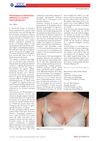
August 2012 in “Journal der Deutschen Dermatologischen Gesellschaft” A woman's hyperandrogenism was caused by a genetic mutation leading to non-classic adrenogenital syndrome.
 1 citations
,
October 2010 in “Cambridge University Press eBooks”
1 citations
,
October 2010 in “Cambridge University Press eBooks” The document suggests new ways to assess and diagnose hyperandrogenism to improve accuracy.
 1 citations
,
May 1999 in “Journal of The European Academy of Dermatology and Venereology”
1 citations
,
May 1999 in “Journal of The European Academy of Dermatology and Venereology” Treat hair loss with medicine, continue indefinitely.
 February 2025 in “Cureus”
 Early diagnosis and treatment of NCCAH can improve symptoms and fertility.
 August 2023 in “Journal of Cosmetic Dermatology”
 Exosomes from hair papilla cells and the Chinese medicine Liao Tuo Fang can potentially promote hair growth and could be used to develop hair growth drugs.
Hyperandrogenism is diagnosed using clinical signs, lab tests, and imaging.
 June 1995 in “International Journal of Gynecology & Obstetrics”
 Women with hair loss have higher androgen levels, while men with early balding have altered androgen ratios.
Targeting androgen receptors in the skin is the most effective treatment for hyperandrogenism-related skin issues.
 May 2026 in “Endocrine Connections”
 Androgenetic alopecia in PCOS is linked to insulin resistance, inflammation, and genetics, not just hormones.
March 2026 in “JCEM Case Reports” Surgery removed ovarian tumors, normalizing testosterone and improving symptoms.
 June 2025 in “General medicine and Clinical Practice”
 Lifestyle changes improve symptoms and fertility in hyper-androgenic women.
 April 2025 in “International Journal of Clinical Research and Reports”
 Lifestyle changes can significantly improve hair loss in overweight women with PCOS.