 37 citations
,
January 2008 in “Gynecological Endocrinology”
37 citations
,
January 2008 in “Gynecological Endocrinology” Shorter CAG repeats in a specific gene may increase male hormone activity and symptoms like acne and excess hair in women with PCOS.
January 2026 in “Elsevier eBooks”  October 2020 in “Medicine - Programa De Formación Médica Continuada Acreditado”
 Female hyperandrogenism is a condition caused by too much male hormones, leading to skin issues and ovulation problems, often due to Polycystic Ovary Syndrome, and is treated based on individual symptoms.
13 citations
,
August 2020 in “Der Hautarzt” Excessive male hormones in women cause symptoms like unwanted hair growth, and treatment requires careful medical evaluation.
15 citations
,
May 2021 in “Climacteric” Postmenopausal hyperandrogenism involves excess male hormones causing symptoms like hair growth and acne, and requires ruling out tumors and other disorders.
2 citations
,
March 2003 in “Endocrine Practice” The woman's symptoms and tests suggest her adrenal glands are producing too many male hormones.
 2 citations
,
September 2004 in “Fertility and sterility”
2 citations
,
September 2004 in “Fertility and sterility” High androgen levels can cause excessive hair growth and may indicate serious health issues, including heart disease and fertility problems.
 November 1993 in “PubMed”
 High levels of androgens can cause skin issues like acne, hair loss, and excessive hair growth.
 1 citations
,
November 2007 in “Humana Press eBooks”
1 citations
,
November 2007 in “Humana Press eBooks” Most cases of high male hormone levels in women are due to polycystic ovary syndrome.
6 citations
,
January 2009 In PCOS, high male hormones cause hair growth, acne, and hair loss, affecting periods.
 April 2026 in “Russian Journal of Skin and Venereal Diseases”
 Hyperandrogenism in women affects skin and quality of life, but treatment is complex due to lack of guidelines.
 57 citations
,
May 1986 in “Clinics in endocrinology and metabolism”
57 citations
,
May 1986 in “Clinics in endocrinology and metabolism” Androstanediol glucuronide is a reliable marker for hirsutism in women.
 2 citations
,
May 1999 in “PubMed”
2 citations
,
May 1999 in “PubMed” Hyperandrogenism in women can cause acne, hair growth, hair loss, irregular periods, and increase the risk of infertility and diabetes.
 January 2023 in “Open Journal of Endocrine and Metabolic Diseases”
 Hyperandrogenism is a common hormonal disorder in women, often linked to PCOS.
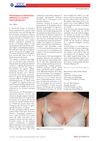 1 citations
,
August 2012 in “Journal der Deutschen Dermatologischen Gesellschaft”
1 citations
,
August 2012 in “Journal der Deutschen Dermatologischen Gesellschaft” A woman's hyperandrogenism was caused by a genetic mutation leading to non-classic adrenogenital syndrome.
 1 citations
,
October 2010 in “Cambridge University Press eBooks”
1 citations
,
October 2010 in “Cambridge University Press eBooks” The document suggests new ways to assess and diagnose hyperandrogenism to improve accuracy.
1 citations
,
January 2015 Hyperandrogenism in women often causes acne and excess hair, treatable with lifestyle changes and medications.
 85 citations
,
June 2006 in “Best Practice & Research Clinical Endocrinology & Metabolism”
85 citations
,
June 2006 in “Best Practice & Research Clinical Endocrinology & Metabolism” The document concludes that hirsutism is the main sign for diagnosing hyperandrogenism, which requires a detailed patient history and physical exam.
 4 citations
,
June 2019 in “Revista brasileira de ginecologia e obstetrícia”
4 citations
,
June 2019 in “Revista brasileira de ginecologia e obstetrícia” Using only hyperandrogenism to diagnose PCOS can lead to overdiagnosis.
 14 citations
,
September 2007 in “Steroids”
14 citations
,
September 2007 in “Steroids” The study concluded that androstendione and DHEA are important for diagnosing high male hormone levels in women with excessive hair growth.
 5 citations
,
December 2004 in “Dermatology”
5 citations
,
December 2004 in “Dermatology” Two women with very high androgen levels had only slight skin issues, one due to a non-classical adrenal disorder and the other due to an adrenal tumor.
March 1997 in “The Lancet” Hirsutism is abnormal male-pattern hair growth in females due to excess androgens.
1 citations
,
January 2023 Hyperandrogenism in women often causes acne and excess hair, treatable with personalized plans including weight loss, hair removal, and medications.
 November 2022 in “The Journal of Clinical Endocrinology and Metabolism”
 Postmenopausal hyperandrogenism, a condition with symptoms like increased hair growth and acne, is usually caused by PCOS but can also be due to other factors. It's diagnosed by checking testosterone levels and treated either by removing the adrenal tumor or through antiandrogen therapy.
 9 citations
,
August 1952 in “The Journal of Clinical Endocrinology & Metabolism”
9 citations
,
August 1952 in “The Journal of Clinical Endocrinology & Metabolism” A 17-year-old female with adrenogenital syndrome produces very high levels of androgens, which prevent complete feminization despite high estrogen doses.
December 1990 in “PubMed” Hirsutism and androgenetic alopecia in women are often due to increased androgen effects, and antiandrogen treatment is recommended to prevent further issues.
 November 2023 in “International journal of reproduction, contraception, obstetrics and gynecology”
 Polycystic ovary syndrome causes high male hormone levels, leading to symptoms like excess hair, acne, and fertility problems.
 352 citations
,
January 2006 in “The Journal of Clinical Endocrinology and Metabolism”
352 citations
,
January 2006 in “The Journal of Clinical Endocrinology and Metabolism” Most women referred for excess male hormone symptoms had polycystic ovary syndrome (PCOS), with other conditions being less common.
 77 citations
,
June 2006 in “Best Practice & Research Clinical Endocrinology & Metabolism”
77 citations
,
June 2006 in “Best Practice & Research Clinical Endocrinology & Metabolism” The document concludes that accurate measurement of serum androgens is crucial for diagnosing hyperandrogenism.
Hyperandrogenism is diagnosed using clinical signs, lab tests, and imaging.