 January 2026 in “International Journal of Dermatology Venereology and Leprosy Sciences”
 Topical 5% minoxidil is effective and safe for treating androgenetic alopecia, especially in younger patients with early-stage hair loss.
 January 2026 in “International Journal of Dermatology Venereology and Leprosy Sciences”
 Intradermal dutasteride effectively and safely improves hair growth in early-stage androgenetic alopecia.
 December 2025 in “Reports of Morphology”
 Men with alopecia areata have different body fat distribution compared to healthy men.
 November 2025 in “SKIN The Journal of Cutaneous Medicine”
 Baricitinib effectively regrows scalp hair in most people with severe alopecia areata.
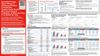 November 2025 in “SKIN The Journal of Cutaneous Medicine”
 Baricitinib works better in adolescents than adults for treating severe alopecia areata.
 November 2025 in “Clinical Cosmetic and Investigational Dermatology”
 Digital microscopy can help diagnose hirsutism by measuring hair growth.
 September 2025 in “International Journal For Multidisciplinary Research”
 Androgenetic alopecia is linked to a higher risk of metabolic syndrome.
 September 2025 in “Tạp chí Da liễu học Việt Nam”
 Combining oral methylprednisolone with microneedle radiofrequency improves hair growth in alopecia areata but may cause pain and side effects.
 August 2025 in “International Journal of Environmental Sciences”
 Less than 10% of nursing students have PCOS, but many show symptoms and poor health habits, needing more education and yearly check-ups.
 June 2025 in “International Journal of Nephrology and Renovascular Disease”
 PLA2R1 overexpression harms kidney cells by stopping their growth cycle.
Patients with lichen planopilaris have a higher risk of heart disease.
 April 2025 in “International Journal of Homoeopathic Sciences”
 Carcinosin, a homeopathic remedy, helped a young girl with alopecia areata regrow hair and reduce psychological symptoms.
 February 2025 in “Clinical Cosmetic and Investigational Dermatology”
 Higher fasting insulin levels increase the risk of androgenetic alopecia.
 January 2025 in “International Journal for Research Trends and Innovation”
 PCOS management benefits from combining traditional herbs, modern medicine, and lifestyle changes.
 July 2024 in “Dermatology Practical & Conceptual”
 COVID-19-related hair loss may have unique features compared to hair loss from other causes.
 June 2024 in “Journal of Islamic International Medical College”
 Low zinc is linked to all alopecia types, and low copper is linked to male pattern alopecia.

Stopping finasteride and closing PFO can help prevent strokes in young adults.
 April 2024 in “The Egyptian Journal of Hospital Medicine ”
 Current treatments for androgenetic alopecia manage symptoms but don't cure it, and it affects social and psychological well-being.
 March 2024 in “PLoS medicine”
 Physical activity, height, and smoking affect prostate cancer risk.
 March 2024 in “Research Square (Research Square)”
 PRP injections don't significantly help with mild to moderate erectile dysfunction.
 February 2024 in “Journal of Health Science and Medical Therapy”
 ADAM17 could be a potential target for treating PCOS.
 December 2023 in “JCEM case reports”
 A new gene variant causes glucocorticoid resistance in a mother and son.
 October 2023 in “Benha Journal of Applied Sciences”
 Insulin resistance may contribute to hair loss in people with androgenic alopecia.
 September 2023 in “Cureus”
 Nails can reveal important health information about skin and body conditions.
 September 2023 in “Bangladesh Journal of Neurosurgery”
 Stereotactic Radiosurgery is an effective non-invasive treatment for cerebral AVM, with successful outcomes and minimal side effects.

Acne is linked to vitamin B12 deficiency.
 January 2023 in “World Journal of Clinical & Medical Images”
 Early diagnosis and prednisone treatment can improve outcomes in Cronkhite-Canada syndrome.
 January 2023 in “Journal of men's health”
 Higher dihydrotestosterone may be linked to more inflammation in COVID-19 patients with low testosterone.
 December 2022 in “Biological and Clinical Sciences Research Journal”
 Early treatment of mixed connective tissue disease is crucial to prevent severe autoimmune conditions.
 August 2022 in “International Journal of Health Sciences”
 Elderly in rural areas have many skin issues needing targeted healthcare.