 July 2020 in “Indian journal of sexually transmitted diseases and AIDS”
 The document concludes that it's concerning when a teenage boy has both gonorrhea and syphilis at the same time.
 100 citations
,
May 2011 in “Journal of Pediatric and Adolescent Gynecology”
100 citations
,
May 2011 in “Journal of Pediatric and Adolescent Gynecology” The document concludes that proper diagnosis and a multidisciplinary approach are crucial for managing Congenital Adrenal Hyperplasia effectively.
 4 citations
,
January 2015 in “Case reports in urology”
4 citations
,
January 2015 in “Case reports in urology” An 8-year-old boy recovered from a rare case of penile tourniquet syndrome after hair removal surgery.
October 2019 in “European Journal of Dermatology” The boy's hair and skin color differences are due to a pigmentation disorder.
2 citations
,
January 2019 in “Dermatologic Surgery”  16 citations
,
September 2008 in “Dermatologic Therapy”
16 citations
,
September 2008 in “Dermatologic Therapy” CAH is a genetic disorder affecting cortisol production and causing hormonal imbalances, with treatment and diagnosis varying by form and symptoms.
April 2008 in “Experimental Dermatology” Early surgery and quitting smoking can help manage hidradenitis suppurativa.
September 2023 in “Journal of the American Academy of Dermatology” Recognizing IPPP is crucial to prevent misdiagnosis and unnecessary treatments.
 12 citations
,
January 2005 in “Pediatric Dermatology”
12 citations
,
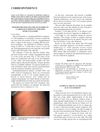
January 2005 in “Pediatric Dermatology” Fox Fordyce disease might be more common in prepubertal girls than thought and can be managed with treatment.
January 2007 in “Linchuang pifuke zazhi” A 15-year-old boy had a rare skin growth on his buttock.
October 2020 in “Journal of the American Society of Nephrology” Drospirenone can hide symptoms of certain hormonal disorders, complicating diagnosis.
3 citations
,
December 2013 in “American Journal of Dermatopathology” A rare skin growth in a baby was successfully removed without coming back.
September 2025 in “JCEM Case Reports” Consider rare forms of CAH for accurate diagnosis and treatment.
 November 2024 in “Singapore Medical Journal”
 A bladder rupture from prostate treatment was healed with catheterization and antibiotics.
January 2015 in “프로그램북(구 초록집)” A 25-year-old man had an unusual case of benign skin tumors and hair loss.
 2 citations
,
October 2021 in “Research Square (Research Square)”
2 citations
,
October 2021 in “Research Square (Research Square)” Older age and prostatic hyperplasia in males increase the risk of hemorrhagic cystitis after stem cell transplantation.
 November 2023 in “Global Medical Genetics”
 Netherton syndrome can cause severe dehydration, infections, and growth issues in infants.
46 citations
,
October 2012 in “Seminars in reproductive medicine” Genetic defects in androgen production are linked to male developmental disorders and are improving treatment understanding.
July 2022 in “Indian Journal of Otology” A rare ear-area hair cyst was successfully removed from a 10-year-old boy.
February 2025 in “Journal of Paediatrics and Child Health” Genetic analysis is crucial for diagnosing ectodermal dysplasia syndromes, and new therapies may help improve skin issues.

Recognizing mild or atypical cases of ectodermal dysplasia is crucial for better treatment and future planning.
4 citations
,
October 2023 in “Children” Early diagnosis and comprehensive care are crucial for managing Focal Dermal Hypoplasia's complex symptoms.
2 citations
,
May 2016 in “Journal of dermatology” Tissue expansion successfully treated alopecia in a child with hypohidrotic ectodermal dysplasia.
 March 2026 in “Panacea Journal of Medical Sciences”
 The technique successfully reconstructed a functional neo-vagina with 100% survival and patency, but lacked mucus secretion.
 62 citations
,
March 2013 in “JAMA Dermatology”
62 citations
,
March 2013 in “JAMA Dermatology” Finasteride reduces Hidradenitis Suppurativa flare-ups in children and teens, but long-term safety is unknown.
September 2006 in “Pediatrics in Review” Early diagnosis and treatment are crucial for complex medical conditions.
September 1978 in “Journal of steroid biochemistry/Journal of Steroid Biochemistry” 20 citations
,
January 2008 in “BJU international” Split-thickness skin grafts are a good alternative for urethral reconstruction when buccal grafts can't be used.
February 2023 in “Archives of Dermatological Research” A multi-tiered treatment approach is crucial for managing hidradenitis suppurativa in patients with intellectual and developmental disabilities.
December 2025 in “Journal of Clinical Medicine” Surgical debridement and targeted therapies can effectively heal chronic wounds in KID syndrome.