 April 2026 in “Frontiers in Pharmacology”
 Erzhi Pill shows promise for health issues but needs better quality control and clearer usage guidelines.
 April 2026 in “Journal of Education Health and Sport”
 Invasive treatments can improve hair growth, but effectiveness varies and more research is needed.
 March 2026 in “Korean Journal of Clinical Pharmacy”
 In 2024, the FDA approved 50 new drugs, including treatments for hair loss, anemia, high blood pressure, and Alzheimer's.
 March 2026 in “Frontiers in Immunology”
 Regulatory T cells help heal skin wounds by reducing inflammation and promoting tissue repair.
 January 2026 in “Frontiers in Immunology”
 Icariin can regulate macrophages and may help treat inflammation, cancer, bone disorders, and fibrotic diseases.
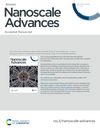 January 2026 in “Nanoscale Advances”
 The nanocomposite effectively targets lung cancer cells without harming normal cells.
 January 2026 in “Cirugía Plástica .”
 Topical glutamic acid may help hair regrow after burns, but more human testing is needed.

Platycladi Cacumen may help treat hair loss by targeting specific proteins and pathways.

Blocking autophagy worsens lipid buildup and dysfunction in brain cells after injury.
 July 2025 in “Scientific Reports”
 RG and RJ gels speed up burn wound healing better than other treatments.
 June 2025 in “Journal of Endocrinological Investigation”
 Adrenal disorders often cause high blood pressure in young people.
 April 2025 in “International Journal of Ayurvedic Medicine”
 Semecarpus anacardium Linn. may have health benefits, but more research is needed to confirm its safety and effectiveness.
 January 2025 in “bioRxiv (Cold Spring Harbor Laboratory)”
 Rhamnose may help hair growth and pigmentation, making it a potential treatment for hair loss.
Tridax procumbens may boost the immune system.
January 2025 in “Multimedialen Archiv und Publikationsserver der Christian-Albrechts-Universität zu Kiel (Christian-Albrechts-Universität zu Kiel)” Oxidized LDL reduces cell growth but affects stem cell differentiation less negatively than cytokine-induced inflammation.
 January 2025 in “Journal of Medical Biochemistry”
 Superoxide dismutases help balance cell stress and may aid cancer treatment.
 November 2024 in “Research Square (Research Square)”
 Lipids may help treat hair loss by promoting hair growth through the HIF-1 pathway.

Ion sequential therapy improves heart function after a heart attack.
 July 2024 in “Scholars Journal of Medical Case Reports”
 Combining low-level laser therapy and exosome therapy promotes hair growth.
 November 2023 in “Linköping University medical dissertations”
 Keratinocytes and adipose-derived stem cells can effectively heal difficult skin wounds.
 October 2023 in “Biomedical science and engineering”
 Innovative methods are reducing animal testing and improving biomedical research.
 September 2023 in “Frontiers in bioengineering and biotechnology”
 JAGGED1 could help regenerate tissues for bone loss and heart damage if delivered correctly.
 September 2023 in “Frontiers in medicine”
 The mTOR signaling pathway is crucial for hair health and targeting it may lead to new hair loss treatments.
 January 2023 in “Åbo Akademi University Research Portal”
 Vimentin is crucial for wound healing, cell growth, and managing immune responses.
 December 2019 in “University of Malaya Students Repository”
 Mimosine from Leucaena leucocephala can enhance biodiesel stability.
 December 2017 in “Springer eBooks”
 Transplant patients often get skin problems, with treatments varying by condition.
 January 2012 in “heiDOK (Heidelberg University)”
 Dormant melanoma cells in mice interact minimally with memory T cells due to a suppressive tumor environment.
 25 citations
,
May 2020 in “EMBO reports”
25 citations
,
May 2020 in “EMBO reports” Calcium is important for stem cell function and maintenance, especially in blood and skin cells.
 81 citations
,
November 2012 in “Journal of the National Cancer Institute”
81 citations
,
November 2012 in “Journal of the National Cancer Institute” The tumor suppressor gene FLCN affects mitochondrial function and energy use in cells.
 51 citations
,
June 2021 in “Signal Transduction and Targeted Therapy”
51 citations
,
June 2021 in “Signal Transduction and Targeted Therapy” The document concludes that while there are promising methods to control CRISPR/Cas9 gene editing, more research is needed to overcome challenges related to safety and effectiveness for clinical use.