 January 2024 in “Theranostics”
 Exosomes from special stem cells help treat ulcerative colitis by reducing inflammation and stress.
 January 2023 in “Biomedicine & Pharmacotherapy”
 Low oxygen conditions improve how well certain stem cells from embryos can make hair grow longer and faster.
 6 citations
,
April 2020 in “Applied sciences”
6 citations
,
April 2020 in “Applied sciences” Hair growth medium helps heal wounds and regrow hair in mice.
 November 2025 in “Molecular and Cellular Biomedical Sciences”
 Exosome therapy from treated stem cells may help reduce inflammation and promote hair regrowth in alopecia.
 December 2023 in “International journal of multidisciplinary research and analysis”
 SH-MSCs gel can effectively treat alopecia by increasing IL-10 and decreasing TNF-α gene expression.
 December 2023 in “International journal of multidisciplinary research and analysis”
 SH-MSCs gel reduced IL-6 and increased TGF-β, suggesting it could treat alopecia.
 March 2026 in “Molecular and Cellular Biomedical Sciences”
 EH-MSCs may help treat hair loss by reducing inflammation.
 4 citations
,
February 2021 in “Nano select”
4 citations
,
February 2021 in “Nano select” MSC-Exos can aid organ development and offer therapeutic benefits for various conditions.
1 citations
,
November 2025 in “Stem Cell Research & Therapy” Immortalized hair follicle cells could be useful for regenerative medicine and treating inflammation and oxidative stress.

Low-level laser therapy may help stem cells grow and function better, aiding in healing and tissue repair.
 June 2025 in “Theranostics”
 Rapamycin-primed exosomes can significantly boost hair regrowth.
 July 2023 in “Stem Cells Translational Medicine”
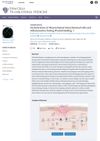
 Mesenchymal Stem/Stromal Cells (MSCs) help in wound healing and tissue regeneration, but can also contribute to tumor growth. They show promise in treating chronic wounds and certain burns, but their full healing mechanisms and potential challenges need further exploration.
Stem cell therapy shows promise for better burn healing but needs more research and standardization.
3 citations
,
January 2021 in “Oxidative Medicine and Cellular Longevity” Nrf-2-modified stem cells from hair follicles significantly improve ulcerative colitis in rats.
September 2025 in “Stem Cells Translational Medicine” Lithium chloride-treated stem cell exosomes boost hair growth by activating a specific pathway.
 1 citations
,
June 2023 in “Cells”
1 citations
,
June 2023 in “Cells” Exosomes could be a promising way to help repair skin and treat skin disorders.
4 citations
,
March 2022 in “Pharmaceutics” Regenerative cellular therapies show promise for treating non-scarring hair loss but need more research.
December 2025 in “Aesthetic Surgery Journal” Exosomes are promising tools in aesthetic medicine for skin and hair regeneration.
 October 2025 in “Gene Expression”
 Exosome therapy could be a promising new way to treat hair loss.
19 citations
,
January 2023 in “Frontiers in Bioengineering and Biotechnology” MSC-sEVs may effectively treat chronic non-healing wounds.
October 2025 in “Preprints.org” Adipose mesenchymal stem cells are best for skincare because they reduce inflammation and are safe and effective.
22 citations
,
April 2022 in “Stem cell research & therapy” Hair follicle-derived extracellular vesicles may help heal chronic wounds as effectively as those from adipose tissue.
 December 2025 in “Scientific Reports”
 Valproic acid helps hair follicle stem cells survive better in low oxygen and glucose conditions.
 88 citations
,
January 2019 in “Journal of Tissue Engineering and Regenerative Medicine”
88 citations
,
January 2019 in “Journal of Tissue Engineering and Regenerative Medicine” Conditioned media from mesenchymal stem cell cultures could be a more effective alternative for regenerative therapies, but more research is needed.
 3 citations
,
January 2023 in “Physiological Research”
3 citations
,
January 2023 in “Physiological Research” Conditioned media from mesenchymal stem cells show promise for tissue repair and disease treatment, but more research is needed on their safety and effectiveness.

Dexamethasone-primed stem cell media shows promise in treating lupus by reducing symptoms and inflammation.
 March 2026 in “Plastic and Aesthetic Research”
 Adipose-derived stem cell exosomes can help reduce skin aging from UV exposure.
 15 citations
,
July 2020 in “Stem Cell Research & Therapy”
15 citations
,
July 2020 in “Stem Cell Research & Therapy” Stem cell therapy helps heal burn wounds, especially second-degree burns, by promoting blood vessel growth and reducing inflammation.
 40 citations
,
June 2013 in “Molecular Pharmaceutics”
40 citations
,
June 2013 in “Molecular Pharmaceutics” The gelatin/β-TCP scaffold with nanoparticles improves wound healing and skin regeneration.
 8 citations
,
July 2022 in “BMC neuroscience”
8 citations
,
July 2022 in “BMC neuroscience” Transplanted hair follicle stem cells improved brain function and reduced damage after a stroke in rats.