 5 citations
,
July 1998 in “PubMed”
5 citations
,
July 1998 in “PubMed” Excessive androgen in women can cause acne, hair growth, baldness, and PCOS, often treatable with medication.
1 citations
,
January 2001 Cancer patients have lower immunity and higher virus and zinc levels in their hair.
October 2025 in “The American Journal of Gastroenterology” Infliximab can cause SAPHO syndrome, which may improve with Spesolimab and methotrexate.
 11 citations
,
November 2017 in “Electronic physician”
11 citations
,
November 2017 in “Electronic physician” Depression severity is not linked to PCOS markers like BMI, insulin resistance, or testosterone levels.
October 2021 in “European Journal of Dermatology” CAL-PDT is safer and more effective for treating actinic keratosis on the scalp.
 April 2017 in “Childhood Kidney Diseases”
 Azathioprine can cause severe blood issues and hair loss, needing careful monitoring and possible discontinuation.
August 2025 in “International Journal of Clinical Dermatology” A new skin cancer can develop where shingles once occurred.
 3 citations
,
April 2017 in “Journal of Medical Science And clinical Research”
3 citations
,
April 2017 in “Journal of Medical Science And clinical Research” PCOS often causes acne, dark skin patches, excess hair, and hair loss, linked to hormone levels and obesity.
 August 2019 in “Journal of The American Academy of Dermatology”
 Bleach baths with 0.005% hypochlorite help manage atopic dermatitis by affecting skin cells and reducing itchiness.
June 2026 in “Biomolecules and Biomedicine” Phoenixin levels are higher in PCOS patients and may help in diagnosis.
3 citations
,
January 2019 in “JOURNAL OF CLINICAL AND DIAGNOSTIC RESEARCH” Idiopathic hirsutism is the most common cause, followed by PCOS, and insulin resistance should be checked in patients with acanthosis nigricans.
 2 citations
,
June 2020 in “AIDS”
2 citations
,
June 2020 in “AIDS” Recreational drug use can cause misdiagnosed conditions and drug interactions in HIV patients.
 January 2025 in “International Journal of Dermatology Venereology and Leprosy Sciences”
 People with acne tend to have lower iron levels.
 December 2025 in “Clinical Cosmetic and Investigational Dermatology”
 ZDHHC17 methylation may help treat or identify facial skin aging.
November 2025 in “OPAL (Open@LaTrobe) (La Trobe University)” Zinc supplements improve hair growth in camels and support growth and hair development in calves.
 January 2020 in “Nihon rinsho hifukaikai zasshi”
 A woman's temporary hair loss was caused by high prolactin levels from her medication.
 January 2022 in “World journal of pharmaceutical sciences”
 Many women with polycystic ovarian disease show symptoms like excessive hair growth, acne, hair loss, and have high levels of certain hormones.

The zinc-doped nanocomposite helps heal bone tissue effectively.
 15 citations
,
July 2012 in “Biological trace element research”
15 citations
,
July 2012 in “Biological trace element research” Higher hair calcium to magnesium ratios and lower chromium levels in hair may indicate insulin resistance in Korean men.

High insulin levels are more common and a better predictor of carbohydrate issues in women with PCOS than glucose tolerance tests.
 2 citations
,
September 2008 in “Fertility and Sterility”
2 citations
,
September 2008 in “Fertility and Sterility” Clinical signs of excess male hormones and actual hormone levels in the blood do not always match in women with polycystic ovary syndrome.
 January 2013 in “Journal of dermatology”
 A new medical syndrome may include skin changes, hair loss, sweating issues, bone malformations, leg swelling, and low cortisol.
1 citations
,
January 2023 in “Zenodo (CERN European Organization for Nuclear Research)” Micronutrient imbalances like zinc, selenium, copper, and manganese can cause hair loss.
203 citations
,
December 1947 in “Annals of Internal Medicine”  60 citations
,
September 2001 in “Journal of the American Academy of Dermatology”
60 citations
,
September 2001 in “Journal of the American Academy of Dermatology” Insulin resistance contributes to hormone imbalances in many women with polycystic ovary syndrome.
 June 2021 in “Asian Journal of Medical Sciences”
 Vitamin B12 deficiency can cause reversible skin darkening.
 January 2019 in “Egyptian Journal of Obesity, Diabetes and Endocrinology”
 People with polycystic ovary syndrome often have low levels of vitamin D.
 April 2023 in “Journal of Investigative Dermatology”
 MPZL3 protein helps control the size of oil glands and the growth of oil-producing cells in both mice and humans.
 1 citations
,
August 2012 in “Journal der Deutschen Dermatologischen Gesellschaft”
1 citations
,
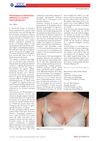
August 2012 in “Journal der Deutschen Dermatologischen Gesellschaft” A woman's hyperandrogenism was caused by a genetic mutation leading to non-classic adrenogenital syndrome.
January 2016 in “Journal of animal research” Hair can help assess Copper and Zinc levels in dogs.