 September 2022 in “Hair transplant forum international”
 JAK inhibitors like baricitinib are a new FDA-approved treatment for alopecia areata, but safety data is incomplete.
18 citations
,
April 2002 in “Journal of cutaneous pathology” Tiny infundibular cysts are the main lesions in chloracne, not comedones.
 December 2021 in “Journal of Investigative Dermatology”
 Neutrophils quickly move to the site of skin injury.
 March 2026 in “Clinical Cosmetic and Investigational Dermatology”
 Upadacitinib improved multiple immune-related conditions in one patient.
39 citations
,
February 1990 in “The journal of cell biology/The Journal of cell biology” Trichohyalin, a hair follicle protein, has a part with repeating patterns of 23 amino acids.
5 citations
,
March 2022 in “STAR Protocols” The method helps study hair follicle stem cells and calcium signals in mouse skin.
28 citations
,
January 2015 in “Journal of Cell Science” PINCH-1 is crucial for skin cell adhesion and movement, working with EPLIN and ILK.
42 citations
,
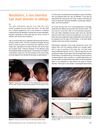
September 1985 in “British Journal of Dermatology” Trichothiodystrophy causes abnormal protein deposits and distortion in hair follicles.
 4 citations
,
January 2014 in “Indian dermatology online journal”
4 citations
,
January 2014 in “Indian dermatology online journal” Monilethrix is a genetic hair disorder causing fragile, beaded hair with no effective treatment.
April 2021 in “The journal of investigative dermatology/Journal of investigative dermatology” CTCF protein is essential for skin and hair follicle development in mice.
January 2016 in “ISBN: 978-84-608-9184-0” 
Myo-inositol is effective for treating PCOS-related skin issues like acne and hirsutism.
10 citations
,
January 1925 in “Archives of Dermatology” Trichostasis spinulosa is a rare skin condition with hair-filled plugs in hair follicles.
December 2025 in “Journal of Human Immunity” JAK inhibitors may help improve symptoms in adults with APECED.
January 2025 in “International Journal of Advancement in Life Sciences Research” Calotropis gigantea leaf extract causes significant tissue damage and stress in fish.
July 2024 in “Journal of Investigative Dermatology” Cell movements and forces shape feather growth in chicken skin.
 March 2026 in “Indian Journal of Dermatology”
 Baricitinib can cause excessive hair growth.
February 2024 in “International journal of molecular sciences” Type 3 Innate Lymphoid Cells help maintain skin health and balance, and are involved in skin diseases and healing.
1 citations
,
April 2023 in “Portuguese Journal of Dermatology and Venereology” JAK inhibitors are effective treatments for alopecia areata.
August 2004 in “Veterinary Dermatology” Cats with internal diseases can develop skin issues that may require specific treatments.
 5 citations
,
May 2013 in “The American Journal of Dermatopathology”
5 citations
,
May 2013 in “The American Journal of Dermatopathology” The author now believes tricholemmal carcinoma is a rare type of infundibular squamous cell carcinoma and more research is needed on these tumors.
14 citations
,
March 2000 in “Journal of Zoo and Wildlife Medicine” A new type of mite caused hair loss in a koala, which was treated successfully with ivermectin.
January 2026 in “Indian Journal of Paediatric Dermatology” Trichoscopy effectively diagnoses and monitors treatment in children with tinea capitis.
1 citations
,
November 2003 in “SKINmed Dermatology for the Clinician” A 17-year-old with Netherton syndrome has dry, itchy skin, brittle hair, and high IgE levels, treated with antihistamines and emollients.
 May 2026 in “International Journal of Drug Delivery Technology”
 Accurate diagnosis of EFFC is crucial for effective counseling and cosmetic care.
March 2019 in “Reactions Weekly” February 2026 in “International Journal of Dermatology” Ritlecitinib shows promise in improving hair regrowth in adolescents with alopecia areata.

Early diagnosis and lifelong zinc supplementation are crucial for treating acrodermatitis enteropathica effectively.
221 citations
,
June 1999 in “In Vitro Cellular & Developmental Biology - Animal” 2 citations
,
February 2025 in “Archives of Dermatological Research” Baricitinib is a safe and effective alternative for alopecia areata patients who do not respond to tofacitinib.