717 citations
,
June 2010 in “Nature” Alopecia areata involves both innate and adaptive immunity, with specific genes linked to the disease.
232 citations
,
December 2011 in “Journal of the American Academy of Dermatology” Understanding and targeting specific molecules can help reduce scarring and promote scar-free healing.
 128 citations
,
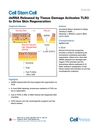
August 2015 in “Cell Stem Cell”
128 citations
,
August 2015 in “Cell Stem Cell” Damage to skin releases dsRNA, which activates TLR3 and helps in skin and hair follicle regeneration.
127 citations
,
January 2000 in “Journal of Investigative Dermatology” Cytotoxic T cells cause hair loss in chronic alopecia areata.
 114 citations
,
January 2021 in “medRxiv (Cold Spring Harbor Laboratory)”
114 citations
,
January 2021 in “medRxiv (Cold Spring Harbor Laboratory)” COVID-19 can cause over 50 long-term symptoms, with fatigue and headache being the most common.
 78 citations
,
June 2021 in “Dermatology and Therapy”
78 citations
,
June 2021 in “Dermatology and Therapy” Future acne treatments should aggressively target inflammation to prevent scarring.
 69 citations
,
September 2006 in “Human Reproduction”
69 citations
,
September 2006 in “Human Reproduction” Women with PCOS have fewer activated T cells in their ovarian follicles, which might affect fertility.
 65 citations
,
June 2020 in “Stem Cell Research & Therapy”
65 citations
,
June 2020 in “Stem Cell Research & Therapy” Certain immune system proteins are important for skin healing but can cause problems if there are too many of them.
56 citations
,
September 2016 in “Pharmaceutical Research” The fish oil-based gel with imiquimod improves skin cancer treatment and reduces inflammation.
52 citations
,
May 2015 in “Cytotherapy” DS-MSCs from hair follicles may improve diabetic wound healing.
 48 citations
,
January 2000 in “Hormone Research in Paediatrics”
48 citations
,
January 2000 in “Hormone Research in Paediatrics” Cytokines and neuropeptides are key in controlling androgen levels, affecting skin and hair conditions.
38 citations
,
January 2017 in “Mediators of Inflammation” Platelet-released growth factors can reduce inflammation in joint disease.
37 citations
,
December 2021 in “Cells” Alopecia areata severity and treatment response are linked to specific cytokine levels.
36 citations
,
September 1996 in “PubMed” DP and DS cells are different from DF cells in structure and function.
32 citations
,
October 2023 in “Biomedicines” PCOS causes inflammation regardless of body weight.
 32 citations
,
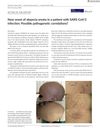
March 2021 in “Journal of cosmetic dermatology (Print)”
32 citations
,
March 2021 in “Journal of cosmetic dermatology (Print)” COVID-19 infection may trigger alopecia areata in some patients.
 32 citations
,
December 2009 in “Archives of Dermatological Research”
32 citations
,
December 2009 in “Archives of Dermatological Research” Dihydrotestosterone increases certain inflammatory signals in skin cells, potentially contributing to acne.
31 citations
,
December 2023 in “Middle East Fertility Society Journal” PCOS is linked to inflammation, and certain markers could help in its treatment.
 29 citations
,
March 2020 in “Stem Cell Research & Therapy”
29 citations
,
March 2020 in “Stem Cell Research & Therapy” Fat stem cells from diabetic mice can help heal skin wounds in other diabetic mice.
 28 citations
,
November 2013 in “The journal of investigative dermatology/Journal of investigative dermatology”
28 citations
,
November 2013 in “The journal of investigative dermatology/Journal of investigative dermatology” GMG-43AC may help reduce unwanted hair growth and treat certain hair loss conditions.
 27 citations
,
July 2017 in “Scientific Reports”
27 citations
,
July 2017 in “Scientific Reports” N-WASP is essential for healthy skin and preventing inflammation.
 26 citations
,
April 2019 in “Advances in wound care”
26 citations
,
April 2019 in “Advances in wound care” Tannic acid helps wounds heal faster in rats by activating certain cell signals and reducing inflammation.
24 citations
,
December 2016 in “Stem Cell Research & Therapy” P311 helps skin stem cells become myofibroblast-like cells, aiding wound healing.
21 citations
,
February 2015 in “Clinical Cosmetic and Investigational Dermatology” Keloids may be influenced by stress and psychological factors.
 21 citations
,
August 2014 in “Journal of Cell Communication and Signaling”
21 citations
,
August 2014 in “Journal of Cell Communication and Signaling” Tsukushi helps control inflammation and aids in wound healing.
21 citations
,
December 2005 in “The journal of investigative dermatology/Journal of investigative dermatology” T-cells in alopecia areata scalp show abnormal regulation, leading to less inflammation.
 20 citations
,
December 2013 in “Journal of Dermatology”
20 citations
,
December 2013 in “Journal of Dermatology” UV-B light increases inflammation-related substances in acne-related skin cells.
19 citations
,
July 2024 in “Journal of Cellular and Molecular Medicine” Astaxanthin may reduce inflammation in women with PCOS, but doesn't significantly improve symptoms.
19 citations
,
November 2022 in “Antioxidants” Ginger peel polysaccharides modified with zinc effectively reduce inflammation.
19 citations
,
December 2021 in “Stem Cell Research & Therapy” Muse cells from human bone marrow help reduce symptoms of atopic dermatitis in mice.