 January 2021 in “bioRxiv (Cold Spring Harbor Laboratory)”
 Mothers have more hair proteins than their children, with age-related differences in protein patterns, and some proteins in hair could indicate early childhood development.
 January 2018 in “Stem cells in clinical applications”
 Exosomes show promise for tissue repair and regeneration with advantages over traditional cell therapies.
The conclusion is that a more comprehensive and precise approach is needed for diagnosing PCOS to address its broader health risks.
 January 2017 in “Elsevier eBooks”
 Antioxidants may help improve mitochondrial health and could be used to treat diseases related to cell damage.
 June 2011 in “Expert Review of Dermatology”
 Researchers discovered potential origins and new treatments for skin cancer, including biomarkers for melanoma and therapies that reduce tumor growth.
 73 citations
,
October 2003 in “Journal of Pharmacology and Experimental Therapeutics”
73 citations
,
October 2003 in “Journal of Pharmacology and Experimental Therapeutics” Hair color loss can indicate the effectiveness of a drug targeting the KIT protein in mice and humans.
 24 citations
,
May 2016 in “Stem Cell Reviews and Reports”
24 citations
,
May 2016 in “Stem Cell Reviews and Reports” The document concludes that understanding how adult stem and progenitor cells move is crucial for tissue repair and developing cell therapies.
 June 2026 in “Frontiers in Oncology”
 GSDMA deficiency slows skin cancer growth.
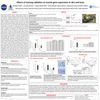 January 2017 in “NASA Technical Reports Server (NASA)”
 Early changes in skin gene expression can predict later bone mass loss after radiation exposure.
4 citations
,
August 2024 in “Cells” Inflammasome proteins can predict inflammation and outcomes in aneurysmal subarachnoid hemorrhage.
 January 2024 in “Wiadomości Lekarskie”
 New technologies improve diagnosis and treatment of digestive disorders.
 April 2018 in “Journal of Investigative Dermatology”
 Fgf20 is important for the development and regulation of the cells that form the base of hair follicles.
August 2025 in “BMC Pharmacology and Toxicology” The LTF gene may help predict and manage nonspecific orbital inflammation.
 February 2024 in “Digital Library of Theses and Dissertations (Universidade de São Paulo)”
 Argan, avocado, and coconut oils are absorbed into hair, improving hydration and protection.
 January 2023 in “Journal of The American Society of Nephrology”
 Metatrials could improve clinical research in nephrology by speeding up data collection and overcoming challenges like patient recruitment.
17 citations
,
June 2023 in “Pharmaceuticals” Inflammasome proteins may help diagnose and treat Parkinson's disease.
2 citations
,
September 2025 in “Journal of Clinical Medicine” Small extracellular vesicles can help diagnose and manage sepsis.
9 citations
,
January 2022 in “Biology” Male mice are more susceptible to autism-like changes from valproic acid than female mice.
January 2026 in “International Journal of Biological Macromolecules” Keratin in people with androgenetic alopecia shows specific changes that could help develop new treatments.
319 citations
,
March 2023 in “Science Advances” A wearable patch speeds up healing of chronic wounds by monitoring and treating them.
 April 2025 in “Diagnostics”
 Managing inflammation and using vitamins can improve PRP therapy for better hair growth.
 April 2024 in “JCEM case reports”
 A woman's rare benign tumor that released both cortisol and testosterone was successfully removed, improving her health.
37 citations
,
August 2024 in “Current Issues in Molecular Biology” Keratins 6, 16, and 17 increase in damaged or diseased skin and may help diagnose skin issues.
91 citations
,
May 2020 in “Monaldi Archives for Chest Disease” Understanding gender differences in COVID-19 is crucial for effective health strategies.
44 citations
,
July 2020 in “Stem Cell Research & Therapy” Epidermal stem cells show promise for skin repair and regeneration.
21 citations
,
June 2024 in “Pharmaceuticals” Swellable microneedles could improve drug delivery and diagnostics but need more research on materials and technology integration.
2 citations
,
July 2025 in “Frontiers in Veterinary Science” MicroRNAs and AI can improve cashmere goat hair quality and aid in hair disorder diagnosis.
2 citations
,
March 2025 in “PNAS Nexus” Raman spectroscopy can detect radiation exposure in mouse hair with high accuracy for up to 7 days.
1 citations
,
July 2025 in “MedComm – Biomaterials and Applications” Microneedles show promise for cancer diagnosis and treatment due to their minimally invasive nature and effective drug delivery.

A high neutrophil-to-lymphocyte ratio may predict poor response to hair loss treatment.