 7 citations
,
December 2013 in “The Journal of Dermatology”
7 citations
,
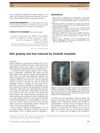
December 2013 in “The Journal of Dermatology” A woman's hair turned gray and fell out after starting a cancer drug called imatinib mesylate.
2 citations
,
February 2021 in “Indian Dermatology Online Journal” Imatinib can cause hair loss due to lichen planopilaris.
December 2023 in “Journal of clinical medicine” Some leukemia treatments can cause skin reactions similar to keratosis pilaris.
508 citations
,
June 2009 in “Current drug metabolism” Tyrosine kinase inhibitors effectively treat cancers but often cause skin and other side effects.
 178 citations
,
August 2016 in “Advances in wound care”
178 citations
,
August 2016 in “Advances in wound care” New effective scar treatments are urgently needed due to the current options' limited success.
 68 citations
,
September 2003 in “British Journal of Dermatology”
68 citations
,
September 2003 in “British Journal of Dermatology” Shrinking skin cancer increases the chance of cancer in nearby lymph nodes.
59 citations
,
March 2003 in “The Lancet” Imatinib can repigment grey hair, while SU11428 can cause temporary hair depigmentation.
 19 citations
,
October 2008 in “Journal der Deutschen Dermatologischen Gesellschaft”
19 citations
,
October 2008 in “Journal der Deutschen Dermatologischen Gesellschaft” Anti-cancer treatments can cause reversible hair loss, skin sensitivity, pigmentation changes, nail damage, and skin reactions, with a need for more research on managing these side effects.
 9 citations
,
May 2013 in “JAMA Dermatology”
9 citations
,
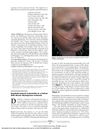
May 2013 in “JAMA Dermatology” A woman's hair turned white after taking a cancer drug called dasatinib.
1 citations
,
April 2004 in “Cancer” Imatinib mesylate can cause skin lightening, especially in Chinese patients, due to its effect on pigment production.

New cancer drugs can cause skin side effects like rashes, dry skin, hair changes, and nail problems.
 September 2015 in “Actas Dermo-Sifiliográficas”
 People with advanced chronic kidney disease often have skin problems, which can be treated with various medications and procedures to improve their quality of life.
19 citations
,
April 2016 in “Case Reports in Dermatology” Nilotinib can cause keratosis pilaris, a skin condition.
54 citations
,
September 2012 in “Acta ophthalmologica” Cancer treatments can cause various eye problems, so eye doctors should know how to diagnose and treat these early.
42 citations
,
April 2021 in “Pharmaceuticals” Five FDA-approved drugs may help block COVID-19 virus entry.
 21 citations
,
February 2013 in “Clinics in Dermatology”
21 citations
,
February 2013 in “Clinics in Dermatology” New treatments for advanced skin cancer are improving patient outcomes, but drug resistance and finding the right treatment combinations are still big challenges.
 1 citations
,
July 2012 in “British Journal of Dermatology”
1 citations
,
July 2012 in “British Journal of Dermatology” New treatments and management strategies for skin conditions like melanoma and Spitz naevi were discussed at the dermatologists' meeting.
March 2022 in “JAAD case reports” A man had a non-cancerous, fast-growing skin lump on his arm that was removed with surgery.
November 2020 in “bioRxiv (Cold Spring Harbor Laboratory)” Five FDA-approved drugs may help block COVID-19 virus entry.
October 2015 in “药物不良反应杂志” Stopping the drug usually helps, but tamoxifen or surgery may be needed if symptoms persist.
 January 2003 in “American Journal of Clinical Dermatology”
 In 2002, various skin reactions were reported due to different drugs, including allergies, hair loss, skin lesions, and other skin conditions.
 1 citations
,
February 2015 in “Clinical and Experimental Dermatology”
1 citations
,
February 2015 in “Clinical and Experimental Dermatology” A man got six skin cancers within a year after a cell transplant for leukemia but was cancer-free 32 months later; skin checks are important post-transplant.
 June 2025 in “BMJ Case Reports”
 Axitinib treatment turned a man's grey hair back to black.
 January 2024 in “Wiadomości Lekarskie”
 Pemigatinib may be effective for treating ZMYM2::FGFR1 fusion-positive leukemia.
4 citations
,
October 2019 in “Skin Appendage Disorders” Gefitinib can cause hair and eyebrow darkening.
 November 2005 in “Reactions Weekly”
 A man treated with gefitinib for lung cancer grew new hair on his bald scalp.
 44 citations
,
April 2006 in “Expert opinion on drug safety”
44 citations
,
April 2006 in “Expert opinion on drug safety” Gefitinib can cause skin problems, diarrhea, and nausea, but rarely causes severe lung disease or hair loss.
December 2022 in “International Journal of Molecular Sciences” Afatinib, neratinib, and zanubrutinib could be effective against KRASG12C-mutant tumors.
 June 2024 in “ESMO Gastrointestinal Oncology”
 The combination treatment showed a higher response rate but no significant survival benefits.
15 citations
,
October 2014 in “The journal of investigative dermatology/Journal of investigative dermatology” Erlotinib causes skin inflammation through IL-1, which can be reduced by anakinra.