 3 citations
,
March 2012 in “Actas Dermo-Sifiliográficas”
3 citations
,
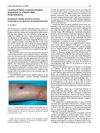
March 2012 in “Actas Dermo-Sifiliográficas” An elderly man with skin amyloidosis and abnormal blood proteins was monitored without finding widespread disease after 18 months.
5 citations
,
May 2023 in “Frontiers in Immunology” Advanced imaging methods have improved understanding of cancer cell interactions and treatment strategies.
1 citations
,
February 2023 in “Pediatric Dermatology” Early recognition of symptoms is crucial for treating IPEX syndrome with a stem cell transplant.
57 citations
,
December 2012 in “Journal of Biomedical Optics” Confocal microscopy is useful for studying how nanoparticles interact with skin.
18 citations
,
January 1965 in “Stain Technology”  February 2023 in “International journal of research - granthaalayah”
 The new microscope method helps study energy from pre-cancerous skin cells.
 39 citations
,
January 2015 in “Journal of Electroanalytical Chemistry”
39 citations
,
January 2015 in “Journal of Electroanalytical Chemistry” New sensor detects minoxidil accurately and effectively.
November 2024 in “Rheumatology Advances in Practice” Visceral leishmaniasis can mimic rheumatoid arthritis symptoms, especially in immunocompromised patients.
January 1995 in “Journal of the Society of Cosmetic Chemists” Transglutaminase does not modify human hair.
January 2025 in “Mansoura Medical Journal” Serum IMA levels don't help diagnose AGA but may indicate its severity.
 1 citations
,
April 2017 in “Journal of Dermatology and Dermatologic Surgery”
1 citations
,
April 2017 in “Journal of Dermatology and Dermatologic Surgery” IVIG therapy was linked to hair regrowth in two patients with hair loss, but it's not recommended due to its risks and costs.
4 citations
,
April 2011 in “Stem Cell Reviews and Reports” The research helps understand how stem cells turn into hair follicle cells.
27 citations
,
July 1983 in “Journal of Investigative Dermatology” 23 citations
,
April 2016 in “Journal of Visualized Experiments” The method successfully isolates hair follicle stem cells from mice for research.
February 2024 in “Veterinary sciences” Canine pemphigus foliaceus involves significant immune activity and shares similarities with human pemphigus.
25 citations
,
November 2020 in “Cell Reports Medicine” Developing human skin has immune cells with memory-like features.
July 2024 in “Journal of Investigative Dermatology” Sex and race affect immune responses and treatment outcomes in Hidradenitis suppurativa.
92 citations
,
December 2005 in “The Journal of clinical investigation/The journal of clinical investigation” Human hair follicle stem cells can be isolated using specific markers for potential therapeutic use.
 15 citations
,
April 2017 in “Cell Stem Cell”
15 citations
,
April 2017 in “Cell Stem Cell” Some brain cancer cells avoid immune system detection, and certain treatments could target this to slow their growth; also, certain fat cell precursors help regenerate hair and skin after injury.
July 2025 in “Journal of Investigative Dermatology” Scarring alopecia involves increased immune cells and specific gene changes near damaged hair follicles.
 1 citations
,
July 2015 in “British Journal of Dermatology”
1 citations
,
July 2015 in “British Journal of Dermatology” Imiquimod improved skin pigmentation in most patients with xeroderma pigmentosum and may prevent further skin cancer, but some treatments can have side effects.
November 2025 in “Advanced Healthcare Materials” Bioprinting is improving skin models for better testing of skin diseases without using animals.
December 2021 in “Figshare” New therapies like JAK inhibitors and stem cells show promise for treating vitiligo.

Certain immune markers and vitamin levels could help diagnose alopecia areata.
27 citations
,
March 2006 in “Dermatologic surgery” Medical tattooing is a widely accepted, easy, and permanent treatment with few side effects but carries an infection risk without proper sterilization.
1 citations
,
June 2023 in “Journal of Visualized Experiments” A new laser method helps observe and understand how intestines heal and change over time.
 4 citations
,
May 2025 in “npj Parkinson s Disease”
4 citations
,
May 2025 in “npj Parkinson s Disease” PINK1 is important for controlling gut immune responses linked to early Parkinson's disease.
 February 2026 in “Libri Oncologici Croatian Journal of Oncology”
 Imiquimod shows promise as a non-invasive treatment for certain HPV-related lesions, but more research is needed to optimize its use.

Researchers improved mouse skin cell culture methods and created a similar immortal cell line, but need to clarify their methods and benefits.
50 citations
,
May 2020 in “FEBS Letters” New techniques improve understanding of cell cycle dynamics at the single-cell level.