September 2016 in “Toxicology letters” The 5050 MHA42MCS45 hydrogel blend is suitable for repairing load-bearing soft tissues.
November 2024 in “Journal of Investigative Dermatology” Microfluidic models improve testing for aging, wound healing, and oral tissue, reducing animal testing.
 3 citations
,
March 2023 in “Scientific Reports”
3 citations
,
March 2023 in “Scientific Reports” Researchers developed a new method to test hair growth drugs and found that adult cells are best for hair growth, but the method needs improvement as it didn't create mature hair follicles.
November 2024 in “Journal of Investigative Dermatology” Ursolic and shikimic acid together boost hair growth better than alone.
 208 citations
,
January 2013 in “Lab on a Chip”
208 citations
,
January 2013 in “Lab on a Chip” The Multi-Organ-Chip improves the growth and quality of skin and hair in the lab, potentially replacing animal testing.
 June 2020 in “Journal of Investigative Dermatology”
 Red clover extract-based scalp treatments significantly improved hair volume and reduced hair loss and damage.
 2 citations
,
October 2022 in “Current Allergy and Asthma Reports”
2 citations
,
October 2022 in “Current Allergy and Asthma Reports” Biologic therapies can cause various adverse events, but allergy/immunology clinicians can manage them.
6 citations
,
January 2022 in “Database” The data set helps improve predictions of how substances are absorbed through pig skin.
8 citations
,
January 2001 in “Methods in enzymology on CD-ROM/Methods in enzymology” Oligomeric procyanidins may help hair grow by affecting cell growth and the hair growth cycle.
June 2014 in “Biotechnology and Bioprocess Engineering” Injecting lab-grown hair cells into the scalp can regrow hair.
January 2007 in “동물실험대체법학회지” In vitro methods for testing cosmeceuticals need improvement for better human relevance and reliability.
1 citations
,
June 2026 in “Disease Models & Mechanisms” Three-dimensional culture platforms improve hair loss drug testing.
26 citations
,
October 2020 in “Biomedicines” Bioengineered skin models help reduce animal testing and advance research in cosmetics and skin disease.
54 citations
,
March 1991 in “Proceedings of the National Academy of Sciences” This model can replace animal testing for quick, cost-effective skin toxicity tests.
16 citations
,
November 2020 in “In Vitro Cellular & Developmental Biology - Animal” Microfollicles can effectively model human hair follicles for research and testing.
33 citations
,
February 2009 in “European journal of pharmaceutics and biopharmaceutics” Pig ear skin is better than human skin for testing how well barrier creams block allergens from entering hair follicles.
May 2026 in “Applied In Vitro Toxicology” A new lab method helps assess respiratory risks of hair product aerosols without animal testing.
January 2026 in “Cellular and Molecular Bioengineering” A 3D model of Dupuytren’s disease was developed for better drug testing.
November 2023 in “Frontiers in Medicine” The method effectively mimics shaving damage on skin for testing skincare products.
January 2005 in “Fuzhou daxue xuebao. Ziran kexue ban” The method is quick and effective for testing steroid 5 alpha-reductase inhibitors.
 3 citations
,
February 2021 in “Experimental dermatology”
3 citations
,
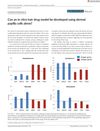
February 2021 in “Experimental dermatology” Dermal papilla microtissues could be useful for initial hair growth drug testing.
 October 2021 in “Journal of Investigative Dermatology”
 The study concluded that the developed models are effective for studying hair growth mechanisms and testing new treatments.
 August 2025 in “Journal of Applied Pharmaceutical Research”
 F4 and F6 hair gels showed promise for improving hair care but need more testing.
July 2024 in “Journal of Investigative Dermatology” Bioengineered skin models aging well, useful for studying aging and testing treatments.
 January 2026 in “Frontiers in Medicine”
 PP-PTKL may help treat hair greying, but more testing is needed.
November 2025 in “Advanced Healthcare Materials” Bioprinting is improving skin models for better testing of skin diseases without using animals.
 2 citations
,
January 2023 in “Applied Science and Convergence Technology”
2 citations
,
January 2023 in “Applied Science and Convergence Technology” 3D bioprinting is useful for making tissues, testing drugs, and delivering drugs, but needs better materials, resolution, and scalability.
 30 citations
,
April 2018 in “Experimental Dermatology”
30 citations
,
April 2018 in “Experimental Dermatology” The article concludes that developing in vitro models for human hair structures is important for research and reducing animal testing, but there are challenges like obtaining suitable samples and the models' limitations.
2 citations
,
February 2018 in “International Research Journal of Pharmacy” Eclipta alba leaf alkaloids may help treat HIV by inhibiting the virus's activity.
 5 citations
,
November 2017 in “Elsevier eBooks”
5 citations
,
November 2017 in “Elsevier eBooks” Scientists can now grow hair-like structures in a lab using special 3D culture systems, which could potentially help people with hair loss or severe burns.