 March 2026 in “Frontiers in Pharmacology”
 Exprecell™ is as effective as traditional methods but produces more f-PRF and is simpler to use.
 March 2026 in “Molecular and Cellular Biomedical Sciences”
 EH-MSCs may help treat hair loss by reducing inflammation.
 January 2026 in “Frontiers in Cell and Developmental Biology”
 Platelet-derived products can help regenerate the temporomandibular joint by enhancing natural healing processes.
 January 2026 in “Forum Dermatologicum”
 Hair loss can be caused by cancer, treatments, or skin conditions, and trichoscopy helps diagnose it.
 January 2026 in “Forum Dermatologicum”
 JAK inhibitors and combination therapies show promise for treating severe alopecia areata.
 January 2026 in “Food and Feed Research”
 Bananas have many health benefits, including treating diarrhea, diabetes, and colds.
 January 2026 in “Florence Research (University of Florence)”
 Wound healing involves four phases with various cells, but more research is needed on certain interactions.
 December 2025 in “Journal of Composites and Compounds”
 Composite biomaterials can precisely control immune responses for better disease treatment.
 December 2025 in “The American Journal of Medical Sciences and Pharmaceutical Research”
 Combining barber scalp care with medical treatment improves scalp health and well-being in early-stage alopecia.

Autologous platelet concentrates help heal and regenerate dental tissues.
 November 2025 in “Molecular and Cellular Biomedical Sciences”
 Exosome therapy from treated stem cells may help reduce inflammation and promote hair regrowth in alopecia.
PRP may help reduce brain inflammation and protect brain cells.
Steatocystomas are harmless skin cysts that can vary in size and may sometimes cause itching or pain.
 October 2025 in “Clinical Cosmetic and Investigational Dermatology”
 Targeting specific cell interactions may help treat skin fibrosis.
 August 2025 in “Research Square (Research Square)”
 High TNF-α levels may increase hair loss risk after PRP therapy.
 August 2025 in “Cermin Dunia Kedokteran”
 HMPV causes respiratory infections, mainly managed with supportive care, and lacks a vaccine or specific treatment.
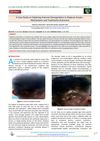 July 2025 in “International Journal of Pharmaceutical Sciences Review and Research”
 Individualized treatment and psychological support improved the patient's quality of life and appearance despite medication side effects.
 March 2025 in “World s Veterinary Journal”
 Therapy lowers IgM levels in dogs with severe dermatitis but not in mild cases.
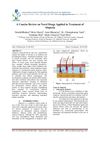
New therapies like JAK inhibitors, PRP, and stem cell treatments show promise for better alopecia management.
 January 2025 in “International Journal of Pharmacology”
 Both steroids, especially cyproterone acetate, harm quail's vital organs.
 January 2025 in “Acta Dermato Venereologica”
 Mothers with alopecia areata have a higher risk of adverse birth outcomes.
 January 2025 in “Open Life Sciences”
 Overexpression of the HE4 gene in mice causes eye inflammation and cloudiness.
January 2025 in “Multimedialen Archiv und Publikationsserver der Christian-Albrechts-Universität zu Kiel (Christian-Albrechts-Universität zu Kiel)” Oxidized LDL reduces cell growth but affects stem cell differentiation less negatively than cytokine-induced inflammation.
 January 2025 in “International Journal of Dermatology Venereology and Leprosy Sciences”
 Obesity worsens skin health and losing weight can improve skin conditions.
 January 2025 in “Fitoterapia”
 Signaling pathways are key targets for developing effective drugs.
 January 2025 in “Universidad de Córdoba Insitutional Repository (Universidad de Córdoba)”
 An imbalanced scalp microbiome may worsen alopecia areata severity and inflammation, but treatment can partially restore balance.
 October 2024 in “Journal of Education Health and Sport”
 Alopecia areata treatment should be personalized, using topical or systemic therapies based on severity, with promising options like JAK inhibitors needing more research.
 June 2024 in “Dermatology and therapy”
 Intramuscular injections improved hair density more than intradermal injections for treating hair loss.
 April 2024 in “International journal of women's health”
 Adult female acne is a complex condition that can worsen with menopause, requiring holistic treatment and tailored skincare at different life stages.
 March 2024 in “PLoS medicine”
 Physical activity, height, and smoking affect prostate cancer risk.