 48 citations
,
March 1997 in “Veterinary Dermatology”
48 citations
,
March 1997 in “Veterinary Dermatology” Some cats with sudden hair loss and tiredness might have cancer-related alopecia.
 52 citations
,
January 1999 in “Journal of Small Animal Practice”
52 citations
,
January 1999 in “Journal of Small Animal Practice” Removing a cat's pancreatic cancer can temporarily reverse hair loss caused by the disease.
 November 2013 in “International Journal of Dermatology”
 New skin lesions on the scrotum or vulva in patients with a history of internal cancer could indicate rare skin metastasis.
 October 2020 in “Our Dermatology Online”
 Skin changes and high vitamin B12 levels can be early signs of cancer.
2 citations
,
May 2025 in “Archives of Dermatological Research” JAK inhibitors do not increase cancer risk in severe alopecia areata compared to traditional treatments.
 38 citations
,
July 1998 in “Journal of surgical oncology”
38 citations
,
July 1998 in “Journal of surgical oncology” A woman with breast cancer developed a rare condition causing excessive fine hair growth on her face and body.
March 2005 in “Journal of the American Academy of Dermatology” Recognizing minor skin lesions can help identify serious cancer syndromes.
3 citations
,
March 1998 in “PubMed” A woman's skin and hair conditions improved after her cancerous tumor was removed.
 43 citations
,
November 2007 in “Dermatologic Clinics”
43 citations
,
November 2007 in “Dermatologic Clinics” Hair and nail changes can indicate health issues, including cancer and side effects from cancer treatments.
 January 2011 in “Elsevier eBooks”
 Alopecia in animals can be hereditary, congenital, or acquired, with treatments and outcomes varying widely.
March 1998 in “JEADV. Journal of the European Academy of Dermatology and Venereology/Journal of the European Academy of Dermatology and Venereology” Removing a tumor may resolve associated skin and hair symptoms.
 May 2019 in “Small Animal Dermatology”
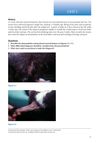
 The cat had a rare condition linked to cancer, leading to its euthanasia.
 August 2024 in “Research Square (Research Square)”
 Using 5-alpha reductase inhibitors may lower the risk of breast cancer in females.
 June 2026 in “Current Oncology Reports”
 Sacituzumab Tirumotecan shows promise in treating gynecologic cancers with manageable side effects.
 9 citations
,
February 2011 in “Biologics: Targets & Therapy”
9 citations
,
February 2011 in “Biologics: Targets & Therapy” Topical calcineurin inhibitors, especially 0.1% tacrolimus ointment, are effective and well-tolerated for treating cutaneous lupus erythematosus but require more research for standard treatment guidelines.
 60 citations
,
September 2013 in “Alimentary Pharmacology & Therapeutics”
60 citations
,
September 2013 in “Alimentary Pharmacology & Therapeutics” Immunosuppressive and anti-TNF therapies in IBD patients can increase the risk of skin cancer and cause various skin issues.
 68 citations
,
June 2005 in “Expert Opinion on Therapeutic Targets”
68 citations
,
June 2005 in “Expert Opinion on Therapeutic Targets” Oestrogens help maintain healthy skin, heal wounds, and may protect against skin aging and cancer.
 60 citations
,
May 2015 in “Archives of dermatological research”
60 citations
,
May 2015 in “Archives of dermatological research” PPAR agonists show promise for skin conditions but need more research before being a main treatment.
 22 citations
,
October 2018 in “British Journal of Haematology”
22 citations
,
October 2018 in “British Journal of Haematology” Women have a higher risk of blood clots from hormonal factors and need careful treatment, especially during pregnancy.
 June 2020 in “International Journal of Research in Dermatology”
 Xerosis and wrinkling are common in elderly skin, but some conditions can be harmful.
 39 citations
,
October 2014 in “Schweizerische medizinische Wochenschrift”
39 citations
,
October 2014 in “Schweizerische medizinische Wochenschrift” Cyclophosphamide has serious side effects, but long-term follow-up can help manage risks.
 6 citations
,
December 2018 in “Medical principles and practice”
6 citations
,
December 2018 in “Medical principles and practice” Using hair dye may slightly increase the risk of non-Hodgkin's lymphoma, especially with long-term use.
 July 2025 in “SKIN The Journal of Cutaneous Medicine”
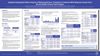
 Ritlecitinib is generally safe for alopecia areata patients over 72 months.
 January 2024 in “American journal of clinical dermatology”
 Ritlecitinib is safe and well-tolerated for treating alopecia areata in patients aged 12 and older.
May 2025 in “Acta Dermato Venereologica” Alopecia areata patients have higher risks of infections, lymphoma, heart issues, and death.
8 citations
,
October 2021 in “Journal of Mind and Medical Sciences” Better patient selection for gastric cancer surgery can reduce complications and improve survival.
233 citations
,
March 2009 in “Journal of Clinical Oncology” Chemotherapy reduces taste and smell, but they mostly recover after treatment; adding spices may help improve appetite.
 May 2023 in “Dermatology Online Journal”
 No increased skin cancer risk was found in alopecia patients treated with photobiomodulation.
2 citations
,
November 2025 in “Pharmaceutics” Cell-mediated drug delivery systems improve skin disease treatment by using living cells for precise, prolonged, and less toxic therapy.
 6 citations
,
February 2023 in “Advances in Therapy”
6 citations
,
February 2023 in “Advances in Therapy” Baricitinib, a drug for rheumatoid arthritis, atopic dermatitis, and alopecia areata, is generally safe with low risk of major side effects, even in patients with risk factors. It's also effective in promoting hair regrowth in alopecia areata patients.