 January 2026 in “Dermatology Online Journal”
 COVID-19 vaccination may be linked to alopecia areata, especially in young adults.
 January 2026 in “International Journal of Advanced Biochemistry Research”
 Dermatophytosis in calves is most common in winter, especially in 4-6 month-old female HF crossbreds.
 December 2025 in “Brazilian Journal of Hair Health”
 The Spiral Model helps understand hair growth changes with age and identify hair problems early.
 December 2025 in “GeroScience”
 Genetics, epigenetics, and lifestyle all influence facial skin aging.

Virtual healthcare significantly improves quality of life for men with hair loss if they stick to the treatment.
 December 2025 in “Philippine Journal of Internal Medicine”
 Early recognition and tailored treatment are crucial for managing overlapping systemic lupus erythematosus and systemic sclerosis.
 December 2025 in “Open Repository of the University of Porto (University of Porto)”
 Pharmacists play a crucial role in improving patient outcomes through personalized care and staying updated with scientific advancements.
 November 2025 in “Frontiers in Pharmacology”
 Gentamicin-loaded exosomes improve healing of infected diabetic wounds in mice.
 November 2025 in “Frontiers in Pharmacology”
 Botanical treatments like saw palmetto, rosemary oil, and ginseng may help reduce hair loss in menopausal women.
 November 2025 in “Clinical Cosmetic and Investigational Dermatology”
 Immune cells and plasma proteins are linked to hair loss, suggesting new treatment options.
 October 2025 in “Dermatology and Therapy”
 Recognizing and treating related skin conditions can improve atopic dermatitis management.
 October 2025 in “Pielegniarstwo XXI wieku / Nursing in the 21st Century”
 Oral contraceptives can effectively treat acne by reducing oil production.
Menopause is a clear hormonal transition in women, while men experience a gradual testosterone decline, with some needing lifestyle changes and targeted therapy.

New peptides can delay aging and improve cell function.
 August 2025 in “Endokrynologia Polska”
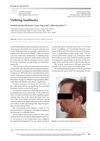
 A rare pancreatic tumor caused a woman's male-like features, treated successfully with surgery and medication.
 August 2025 in “Aesthetic Cosmetology and Medicine”
 Blue light can damage hair and scalp, leading to hair loss.
Acne keloidalis nuchae causes scarring on the scalp, mainly in African American males, and early treatment is important to prevent lasting damage.

CD4 T cells need IFN-γ to cause hair loss in alopecia areata.

Survivors of severe COVID-19 need ongoing care to manage lasting health issues.
 March 2025 in “Nepal Journal of Dermatology Venereology & Leprology”
 A standardized guideline would improve Telogen Effluvium management.
 February 2025 in “La Pediatria Medica e Chirurgica”
 The boy's Cushing's Disease was treated successfully, but he developed growth hormone deficiency.
 January 2025 in “International Journal For Multidisciplinary Research”
 Buddhist meditation techniques are better for reducing stress and anxiety than modern methods.
 January 2025 in “Advances in Clinical Medicine”
 Fractional CO2 laser therapy effectively improves skin conditions and recovery when combined with other treatments.
 January 2025 in “Advances in Dermatology and Allergology”
 A holistic approach, including medical treatments, lifestyle changes, and mental health support, is crucial for managing hirsutism in women.
 January 2025 in “Drug repurposing”
 New drug uses show promise but need more research.
 December 2024 in “Journal of Clinical Medical Research”
 Regenerative medicine uses combined treatments to boost natural healing and improve health, especially for aging.
 December 2024 in “Cermin Dunia Kedokteran”
 Prompt treatment of intraocular foreign bodies is crucial to prevent blindness and improve outcomes.
 April 2024 in “Research Square”
 Children with alopecia areata often experience more anxiety and depression, linked to neglectful family dynamics.
 March 2024 in “Buletin de psihiatrie integrativă (Print)”
 Hair loss from telogen effluvium can cause mental health issues and lower life quality, needing both medical and emotional support.
 March 2024 in “Research Square”
 The model helps understand alopecia areata and suggests ways to improve treatment by targeting immune issues.