Search
for
Sort by
Research
360-390 / 1000+ results
research Novel skin patch combining human fibroblast-derived matrix and ciprofloxacin for infected wound healing
The new skin patch with human matrix and antibiotic improves wound healing.

research 1117 PX-12 inhibits NLRP3 inflammasome activation to treat psoriasis
PX-12 may help treat psoriasis by blocking inflammation and cell death.
research FPRL1 Receptor Agonist Peptides Prevent Etoposide-Induced Alopecia in Neonatal Rats
Certain peptides can prevent hair loss in young rats caused by a cancer drug.
research 575 INTASYL self-delivering RNAi: A flexible platform to treat dermatological malignancies
INTASYL is a promising, adaptable RNAi technology for treating skin cancers.
research OsPHR2 Is Involved in Phosphate-Starvation Signaling and Excessive Phosphate Accumulation in Shoots of Plants
OsPHR2 gene causes excessive phosphate in rice shoots, affecting plant growth and root development.
research A SUBPOPULATION OF ITCH RECEPTORS MARKED BY RET EXPRESSION
A new type of nerve cell involved in itch perception was discovered.
research Establishing a robust preclinical model to investigate early and late radiation-induced skin reactions
The model effectively mimics radiation-induced skin damage for future research.
research Epidermal and Dermal Regeneration Through Sequential Monopolar and Bipolar Radiofrequency: Evidence From an Aging Mouse Model
Sequential monopolar-bipolar radiofrequency improves skin regeneration and quality better than monopolar alone.
research Network-based identification genetic effect of SARS-CoV-2 infections to Idiopathic pulmonary fibrosis (IPF) patients
SARS-CoV-2 may worsen IPF due to shared genes and pathways, suggesting potential drug targets.
research PRP for Lip and Eye Rejuvenation
PRP is a promising non-surgical option for skin and hair rejuvenation.
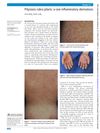
research Pityriasis rubra pilaris: a rare inflammatory dermatosis
An 18-year-old woman was diagnosed with a rare skin condition called Pityriasis rubra pilaris.
research Impact of electrical impedance spectroscopy on dermatologists' number needed to biopsy metric and biopsy decisions for pigmented skin lesions
Electrical impedance spectroscopy improves biopsy accuracy and efficiency for skin lesions.
research Letter
Infrared light might help treat stubborn alopecia areata.
research Calcitonin gene‐related peptide (CGRP) may award relative protection from interferon‐γ‐induced collapse of human hair follicle immune privilege
CGRP may help protect hair follicles from immune system attacks, potentially slowing hair loss.
research Cutaneous Side Effects in Non-Small Cell Lung Cancer Patients Treated with Iressa (ZD1839), an Inhibitor of Epidermal Growth Factor
Iressa often causes skin issues like acne and dryness in lung cancer patients.
research Adaptive minirhizotron for pepper roots observation and its installation based on root system architecture traits
The new microrhizotron tool effectively observes and measures pepper plant roots non-destructively.
research Assessment and Treatment Outcomes of Persistent Radiation-Induced Alopecia in Patients With Cancer
Persistent radiation-induced hair loss is dose-dependent, and treatments like topical minoxidil can be effective.
research Global Research Trends for Platelet-Rich Plasma: A Science Mapping with Machine Learning Techniques
The USA, China, Italy, and Türkiye lead in diverse PRP research, focusing on healing and pain management.
research Systematic Review of Platelet-Rich Plasma in Medical and Surgical Specialties: Quality, Evaluation, Evidence, and Enforcement
PRP shows promise but lacks consistent evidence and regulation.
research Platelet-Rich Plasma Therapy-Enhanced Ovarian Rejuvenation: Promising Approach Towards Ovarian Insufficiency and Fertility Preservation
PRP therapy may help with ovarian issues and fertility, but more research is needed.
research Inositol hexaphosphate alleviates ototoxicity and age‐related hearing loss by preserving cochlear hair cells in mice
Inositol hexaphosphate helps protect hearing by preserving ear cells in mice.
research P113 Therapeutic efficacy of 1,927-nm fractionated thulium laser and polydeoxyribonucleotide on pattern hair loss
The thulium laser and PDRN injections effectively improved hair thickness in patients with pattern hair loss.
research Is There a Role for Radiofrequency Devices in Hair?
Radiofrequency devices can help remove or grow hair, but more research is needed.

research Kevis P.F. – an adjunctive hair maintenance option
Kevis P.F. may help with hair care when used with other products.

research Reporting in clinical studies on platelet-rich plasma therapy among all medical specialties: A systematic review of Level I and II studies
The review concluded that reporting on PRP therapy is often incomplete, leading to uncertainty about its effectiveness.
research Red LED Photobiomodulation Enhances Metabolic Activity in Cultured Human Pericytes
Red LED light boosts cell activity and growth, aiding wound healing and blood vessel repair.
research The role of platelet-rich plasma in biomedicine: A comprehensive overview
PRP helps tissue repair but lacks standard preparation methods.
research Use of radiofrequency in cosmetic dermatology: focus on nonablative treatment of acne scars
Nonablative radiofrequency treatments, especially microneedle and fractional types, can improve acne scars by 25%–75% after 3-4 sessions, with full results in 3 months and some side effects.

research Therapeutic potential of Ishophloroglucin a from Ishige okamurae in androgenic alopecia: inhibition of 5α-reductase activity and activation of the Wnt/β-catenin signaling pathway in human dermal papilla cells
Ishophloroglucin A from Ishige okamurae may be a natural alternative for treating hair loss by inhibiting 5α-reductase and promoting hair growth.